
There are things you should be aware of before traveling to Tokyo. Here are five tips for navigating everything from train etiquette, to social behavior, to unfamiliar foods.

By Kevin Pittuck-Bennett
Writer, Photographer, Fireplace Contributor
Explore our picks for the best boutique hotels in Tokyo.
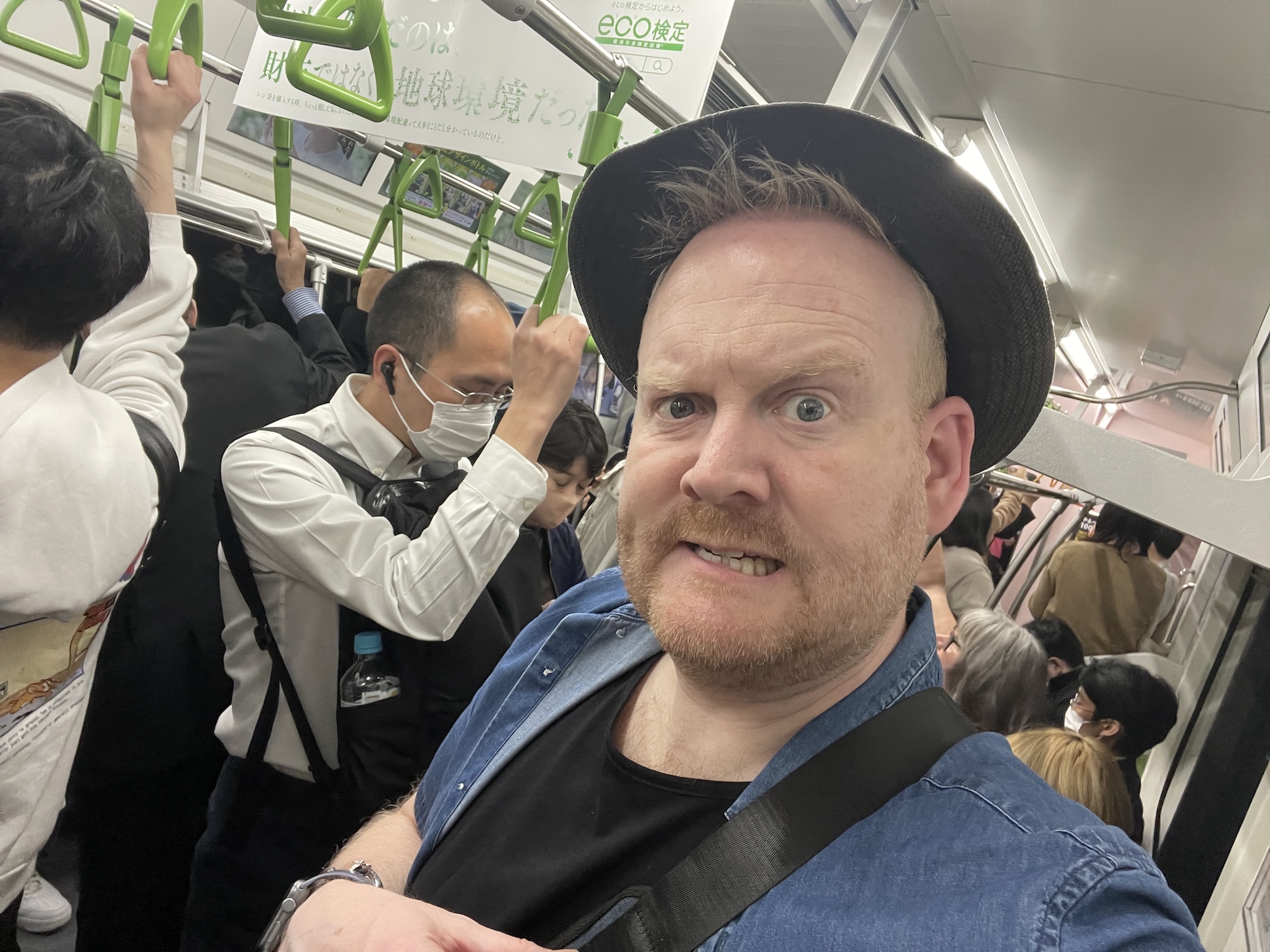
We’d been warned about Tokyo’s Shinjuku Station. It’s the busiest train station in the world, they said. But nothing could have prepared us for the tsunami of humanity that engulfed us as we emerged into the tunnels, still laden with suitcases from Haneda Airport. Thousands of people, hundreds of trains… but strangely, the only voices to be heard were ours. Two dazed and panicked Brits, swept along the concourse in a human tide, our sleep-deprived bodies screaming for rest.
My husband looked to me for rescue. After all, it was me who insisted we experience Tokyo. He just wanted to see its version of Disneyland. We thought we’d done the research. We thought we were prepared. We weren’t.
Here are five things I wish we’d known before arriving.
1. GET TO GRIPS WITH THE TRAINS ASAP
The most effective way to explore the vast metropolis that is Tokyo is via train. Overwhelming for new visitors, Tokyo’s rail network is not actually that complicated, resembling the London Underground on an acid trip. The stations are well signposted, have English translations, and once you’re acclimatized to the crowds, getting around them becomes remarkably straightforward.
Feeling overwhelmed? Find a quiet corner. Take a breath. Wait for a break in the human tide.
Don’t assume two attractions close on a map are an easy walk apart. Tokyo is enormous. Plan your journeys, allow time to navigate the larger stations, and get comfortable with the rail network early. Know that the trains will almost always arrive exactly when they’re supposed to.
The breakthrough for us came when we bought a ‘Suica’ travel card. This prepaid card lets you tap through ticket barriers without having to decipher machines each time. Even better, they work across trams and buses too, and can even be used in participating shops and vending machines. Plus, any money you have left on them at the end of the trip can be spent on machines at the airport.
2. WATCH HOW THE LOCALS BEHAVE
Japan has a remarkable number of unwritten rules, and everyone seems to have a copy but you.
The easiest way to avoid making a fool of yourself is to simply watch what everyone else is doing. Queue where they queue, keep your voice down on public transport, and pay attention to the small courtesies that help millions of people share the same space.
We learnt some lessons in social behavior while exploring Golden-Gai, a maze of tiny hole-in-the-wall bars in Shinjuku. Buy a drink from one and you’d expect to be able to take it with you but no. Walking whilst drinking is rather heavily frowned upon. Determined not to abandon either our drinks or our exploration, we simply kept our drinks close to our sides and stopped every few hundred yards to take a swig in the shadows. Not elegant. But a solution of sorts.
You don’t need to memorize every point of Japanese etiquette before traveling. The people are welcoming and understanding of visitors. Just be observant, respectful, and show willing.
3. EXPECT SOME UNFAMILIAR FOOD
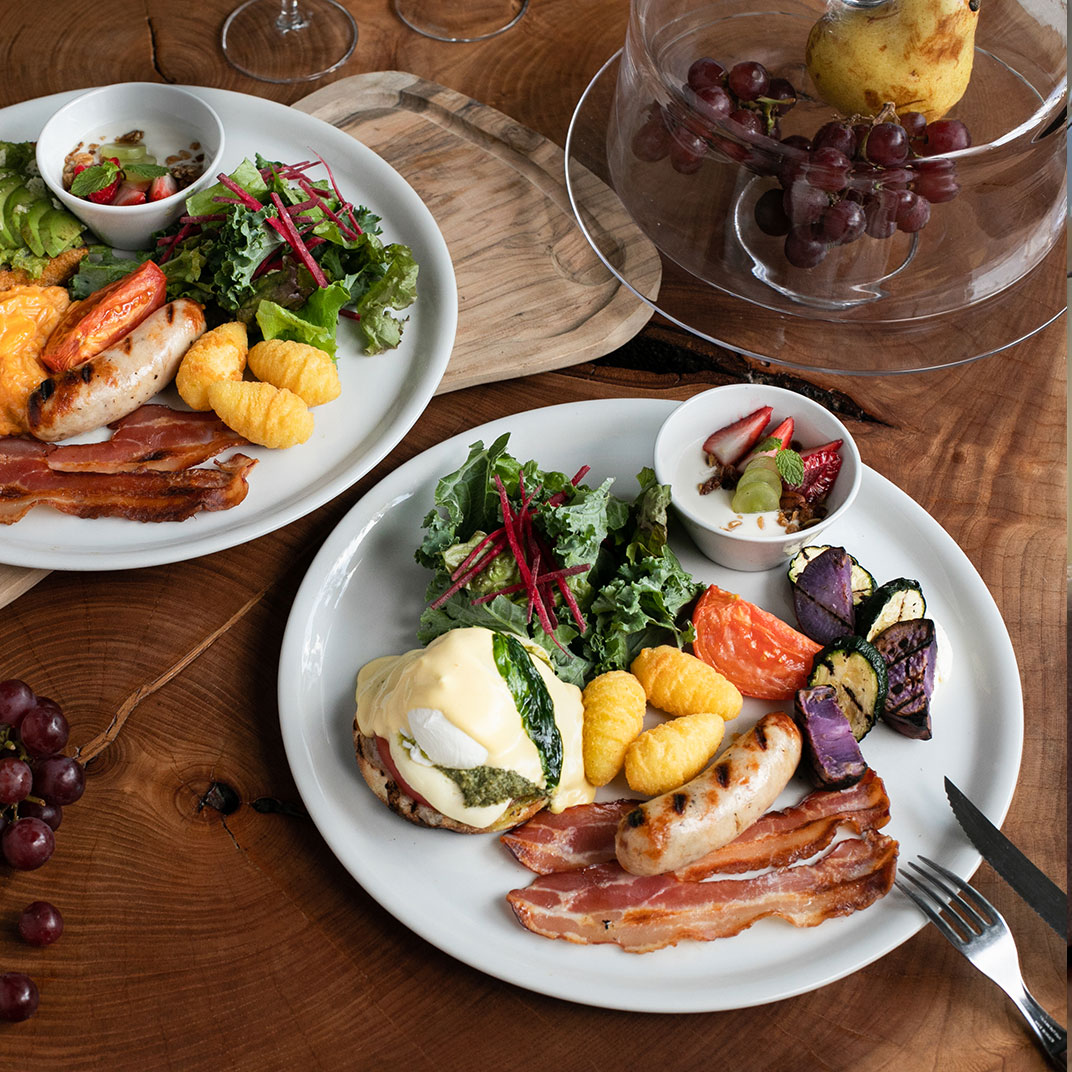
Tokyo is a fantastic place to explore Japanese cuisine, just understand that their palates appear to be broader than most. In other words, some of their dishes might raise the eyebrow of a Westerner.
Encouraged by its popularity, we entered a traditional restaurant in Shibuya, folded our stiff Western legs beneath a low table, and accepted their English-translated menus with enthusiasm. Our confidence evaporated when we started reading, by which point we were committed.
Among the illustrated offerings were seared goat head, sheep eyeball and battered esophagus, to name a few. Our servers bowed and smiled and waited for our choices as if they would be the most interesting information they’d hear all day. We apologetically ordered a bowl of chips and ate them with our heads down. Seems our research into Japanese food had only got as far as katsu curry and cute mochi rice-cakes.
We wish we had looked at the menus outside before entering the restaurant. All the information is right there. Translation apps can be super helpful, with text appearing as English on your screen when you hold your phone up to it. Alternatively, most restaurants will have photos of all their dishes on display. I’m all for experiencing new cuisine, but make sure the menu is not more adventurous than you’re prepared to handle before committing.
4. ARRANGE INTERNET ACCESS BEFORE YOU ARRIVE — AND TELL YOUR BANK
Reliable internet access is one of the most useful things you can have in Tokyo. Between translation apps, transport maps, online reservations and QR codes for site entry, you’ll probably use your phone far more than you expect. We certainly did.
Rather than pay international roaming charges, we hired a portable Wi-Fi device, also known as pocket Wi-Fi (Ninja WiFi offers rentals from around ¥440 per day — less than $3 USD). It allowed us to connect both our phones simultaneously and could be recharged overnight. The only catch is you need internet access to book one. An issue if you’re already in Japan.
Fortunately, we’d reserved ours before leaving the UK, smug that we remembered to request collection from the airport’s arrivals terminal. Unfortunately, I hadn’t told my bank I’d be traveling to the Far East. One surprise charge from China was all it took for them to lock my account down. Make sure they know before you visit.
5. PLAN FOR BOTH THE CHAOS AND THE CALM
One of the things I grew to love most about Tokyo was how quickly its personality changes from one block to the next. One minute we’re Instagramming the unfortunately named Takeshita Street in the crowded fashion district of Harajuku, the next we’ve turned a corner and found ourselves in the oasis that is the Meiji Jingu Shrine. Mere steps from the bustle, yet somehow in another world.
Choose a few areas you want to explore, group nearby sights together, and leave plenty of room for unexpected discoveries. Tokyo rewards wandering, but its size means a little geographical planning can save hours of unnecessary travel, and will make a huge difference when it comes to whether or not you see everything you have planned when you arrive.
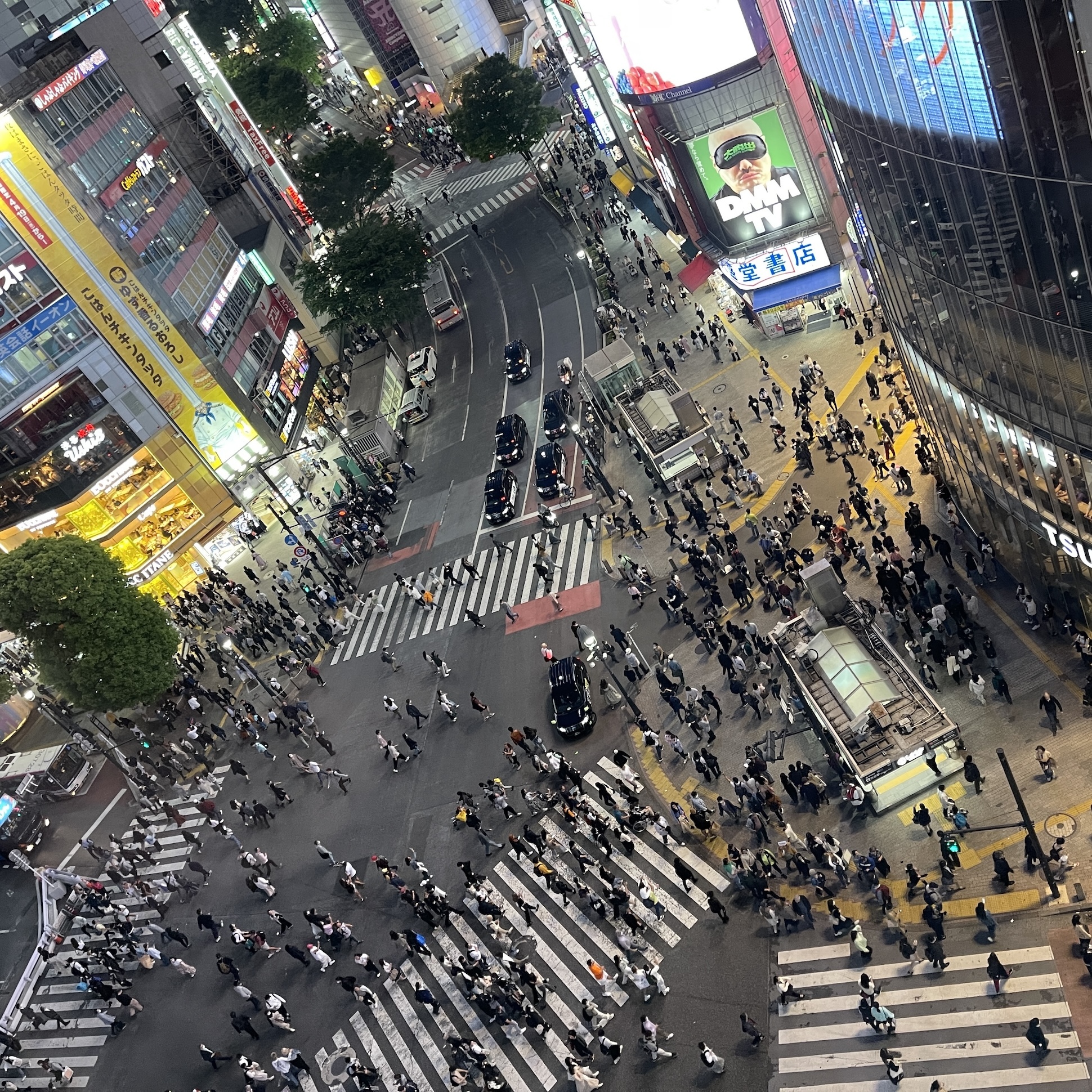
Tokyo will seep into your pores without you even knowing it. For us, the realization hit when we sought out the busiest zebra-crossing in the world – in the neighborhood of Shibuya. A tsunami of humanity and we were rushing right for it. In fact, experiencing ‘the Scramble’ with almost 3,000 other pedestrians was a highlight of the trip.
It was there we realized we were no longer drowning in Tokyo. We were surfing.

Explore our picks for the best boutique hotels in Tokyo.