
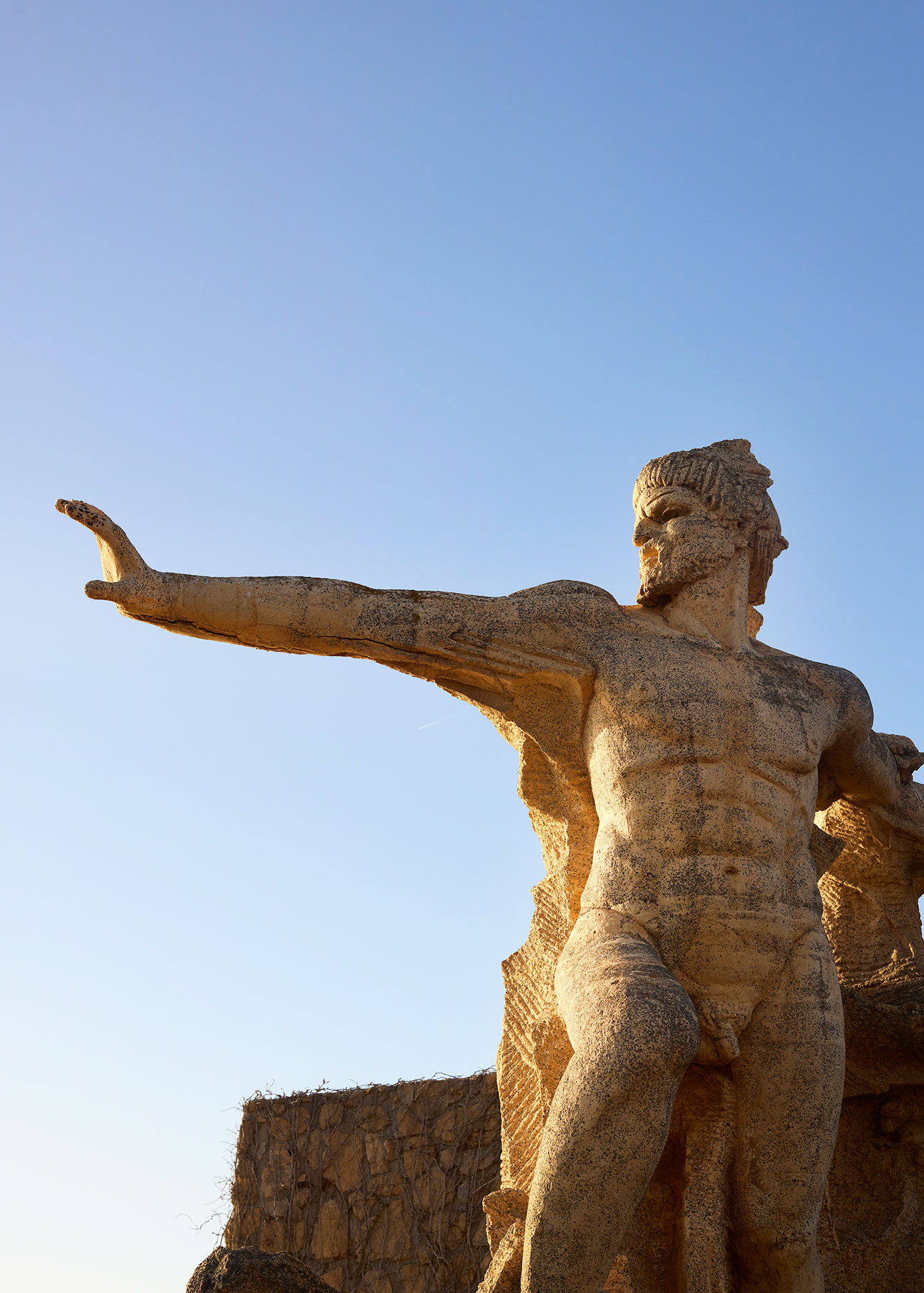
Paul Ricard always wanted his isle of Bendor to be a place of art and community. Thirty years on from his death, after defying calls to make it a private playground, Zannier Île de Bendor honors his wishes.

By Nicky Hornsby-Clifton
Tablet Contributor
Book Zannier Île de Bendor on Tablet Hotels.
Paul Ricard was something else. The Marseille-born industrialist produced fifteen films, founded an oceanographic institute, built a Formula One circuit, and helped defeat the Nazis by distilling a cherry-based petrol substitute for the French Resistance. Before any of that, he made his fortune selling millions of bottles of the renowned pastis that still bears his name.
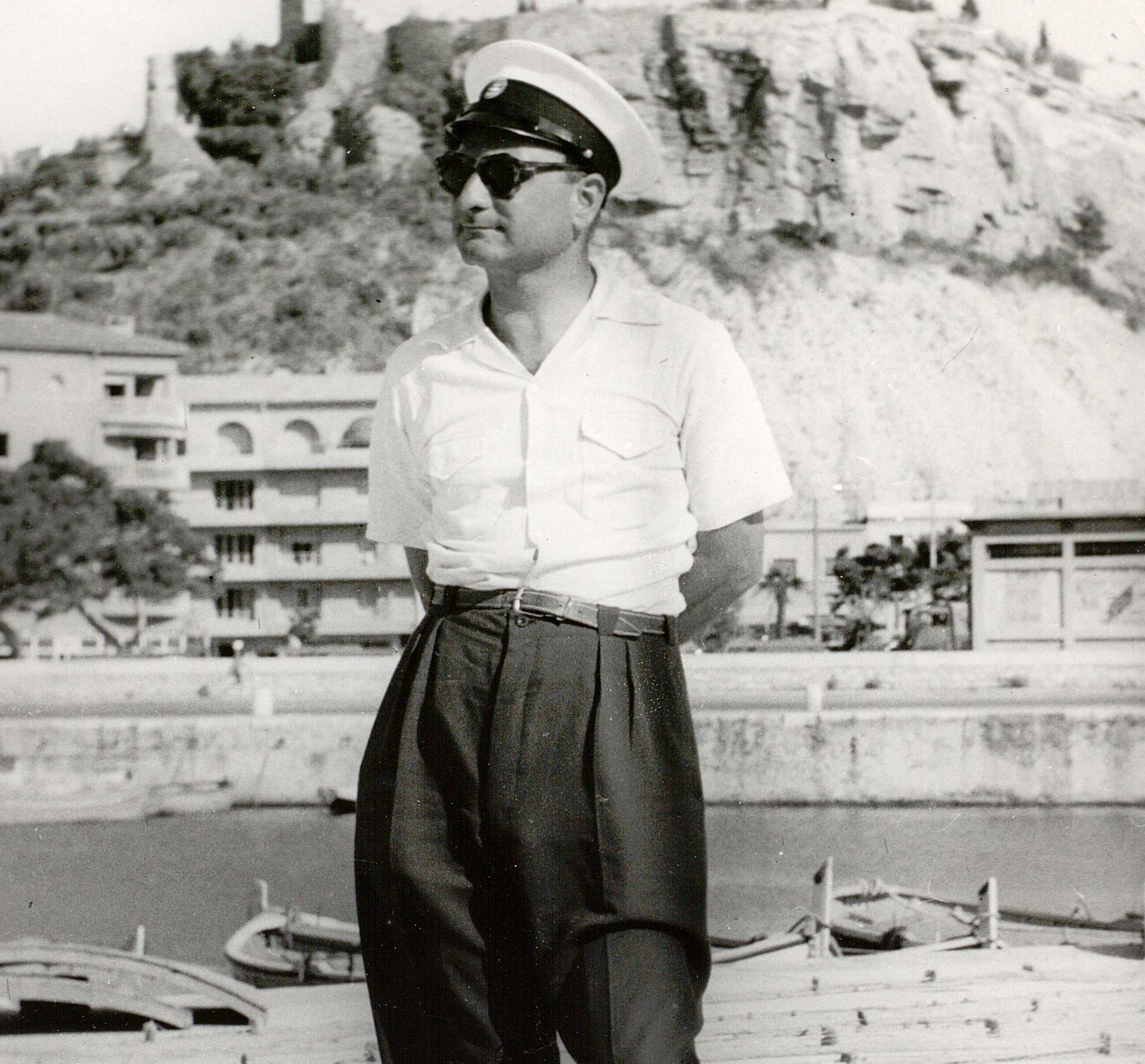
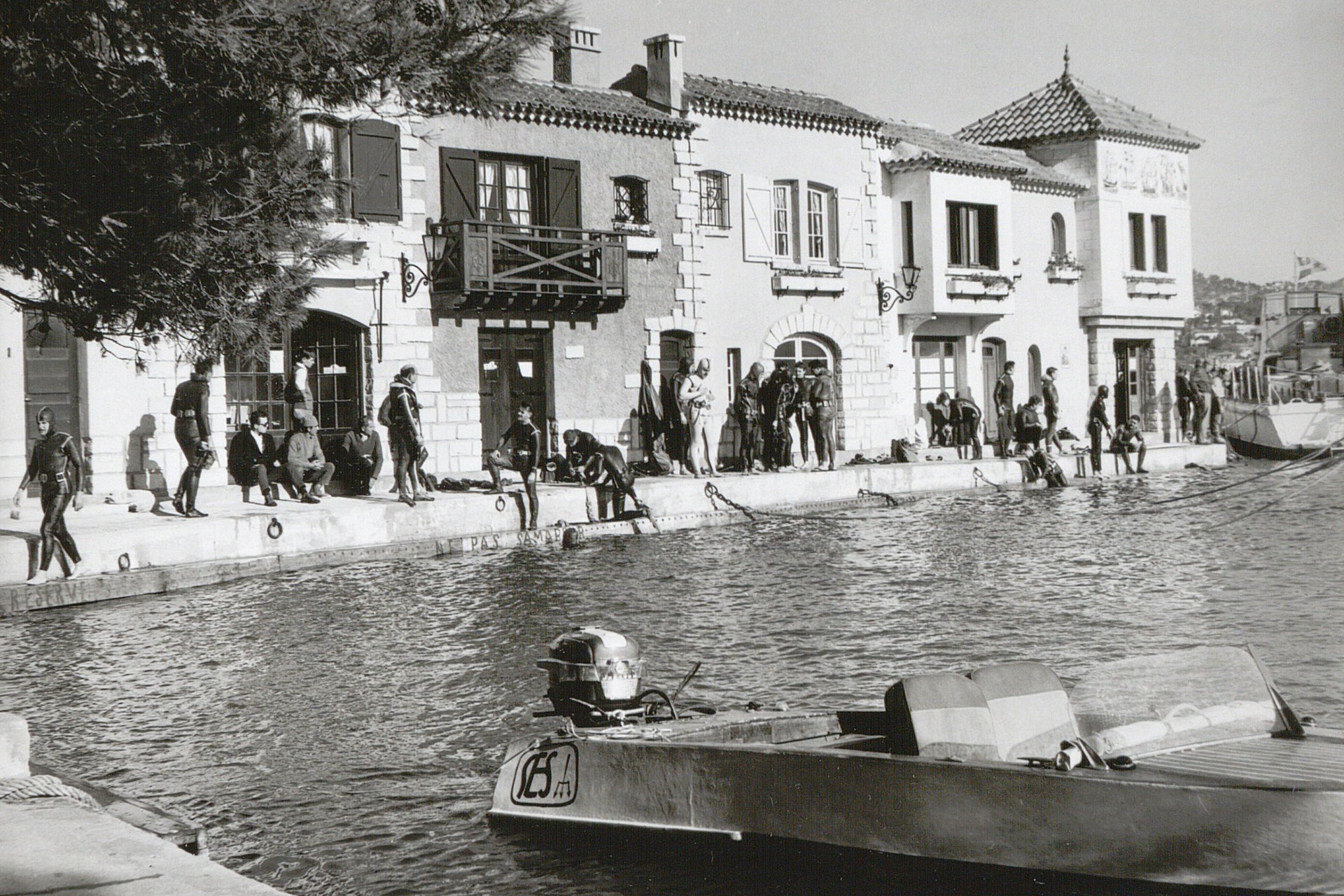
Ricard once wrote that he became a captain of industry to free himself to paint and sculpt. To that end, he bought Île de Bendor in 1950 when its only inhabitant was a sheep. It became his most precious canvas, and the legacy by which he hoped to be remembered. Around its pretty Provençal harbor, he built houses, a café, a wine museum, a theatre, and a gallery to house a Dalí masterpiece. He invited poets, writers, and filmmakers to stay and work but also to swim and gather in the small Mediterranean world he affectionately called l’île du bonheur: the island of happiness.
Decades after his death, the question became how to modernize his pièce de résistance without destroying its sense of art and community. After inviting tenders from major hospitality groups — some of which proposed turning the island into an entirely private resort — they chose Arnaud Zannier, a French hotelier of highly individual properties whose philosophy felt compatible with their own. Together, rather than overwriting Ricard’s vision, they refined it.
The result is Zannier Île de Bendor.
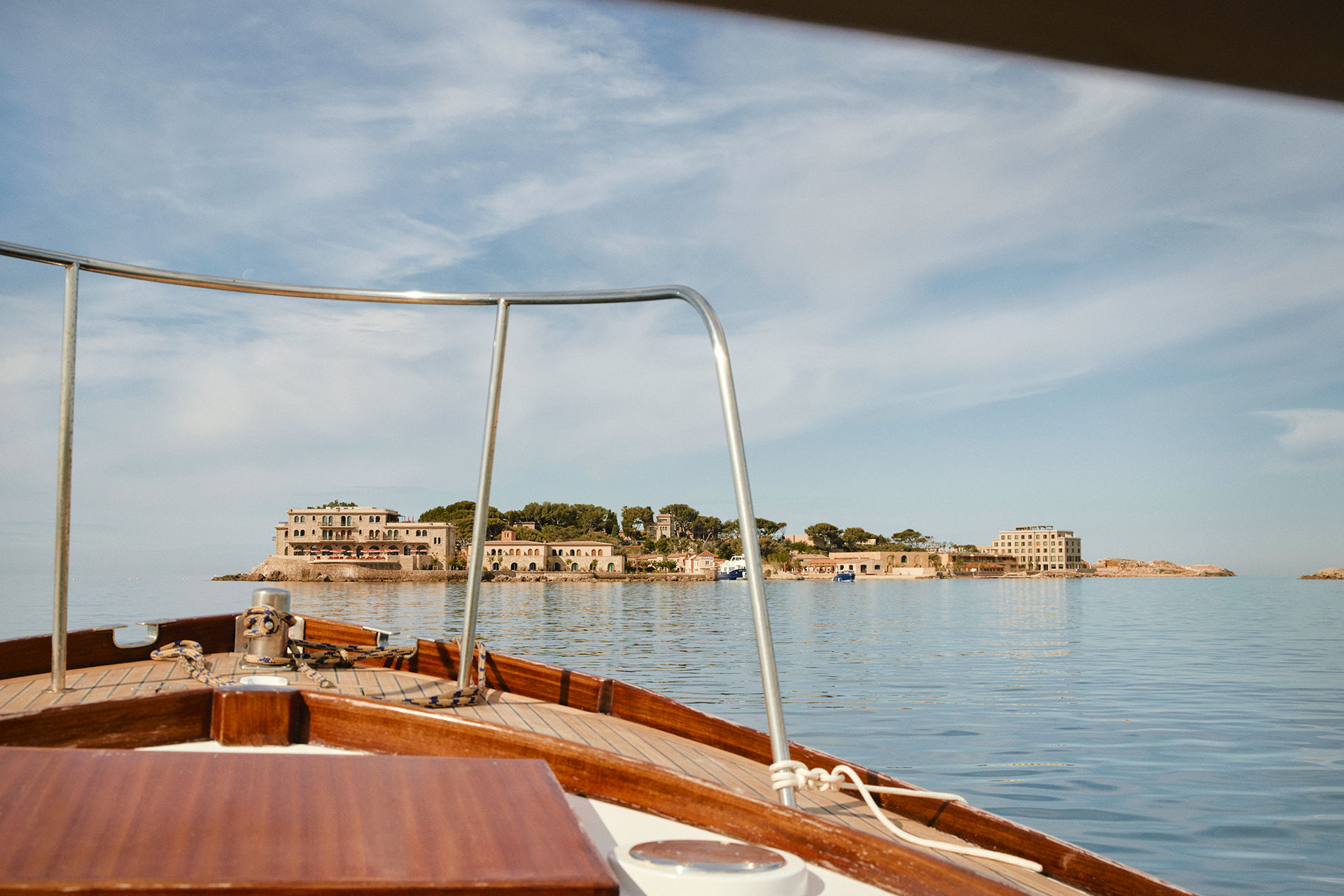
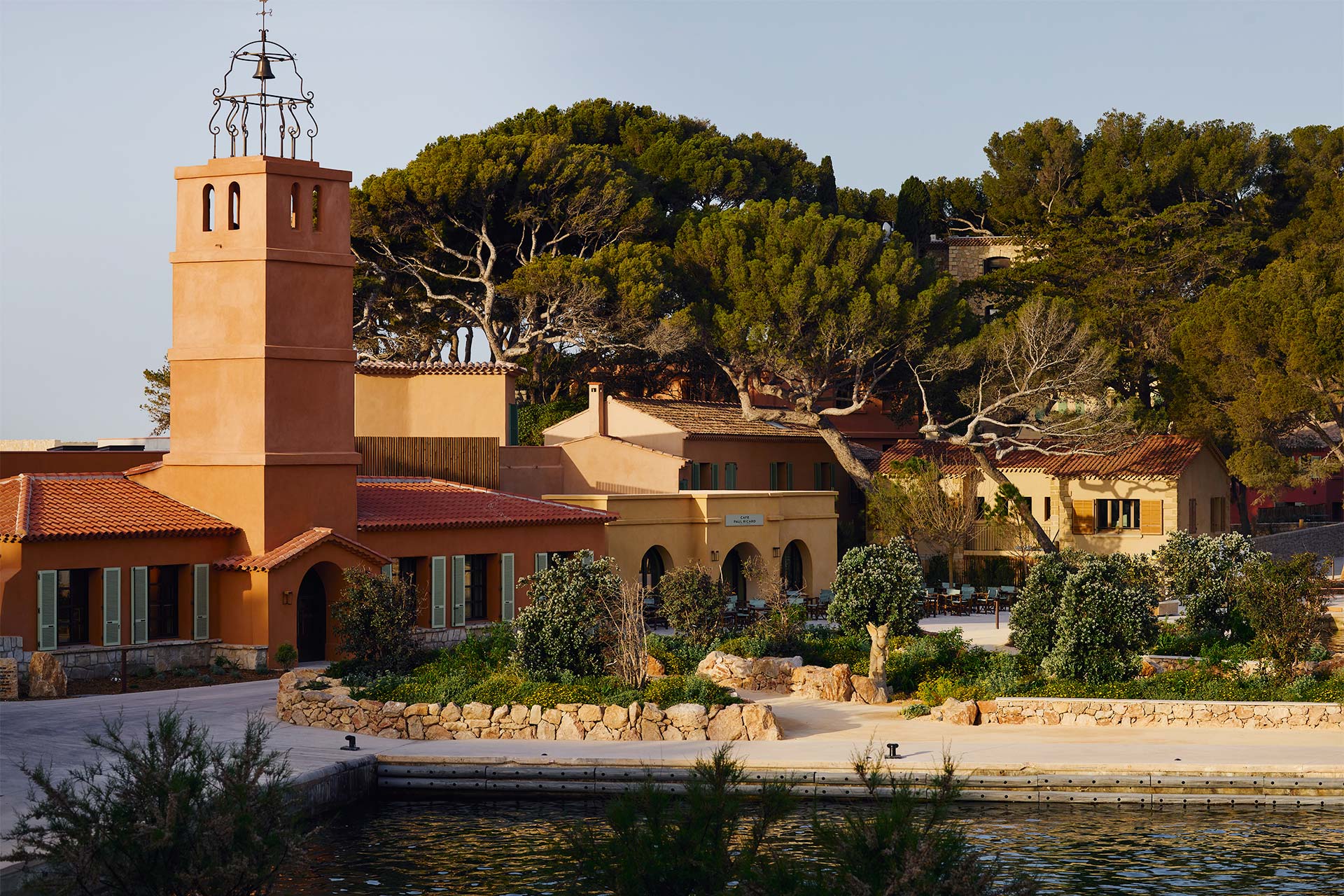
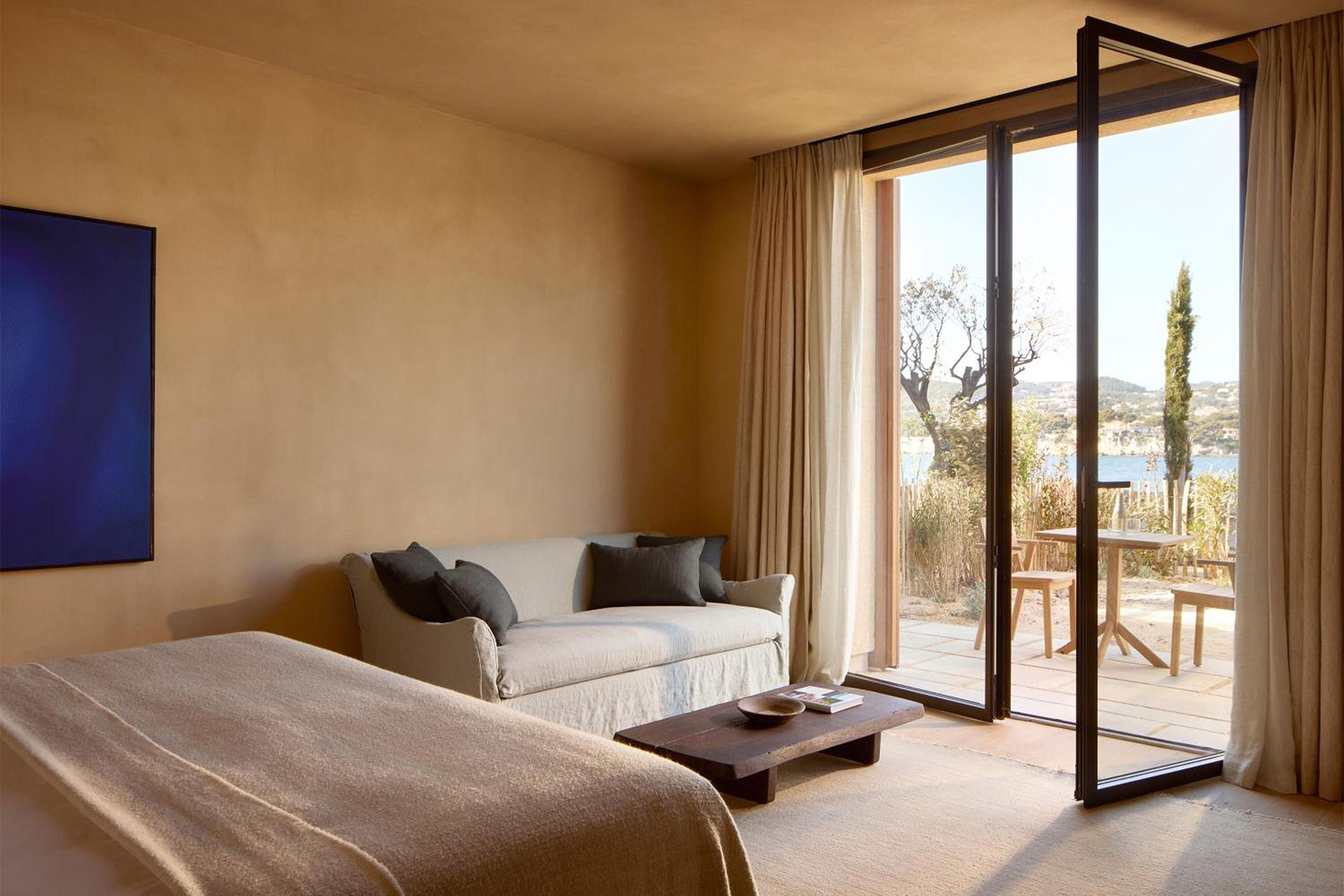
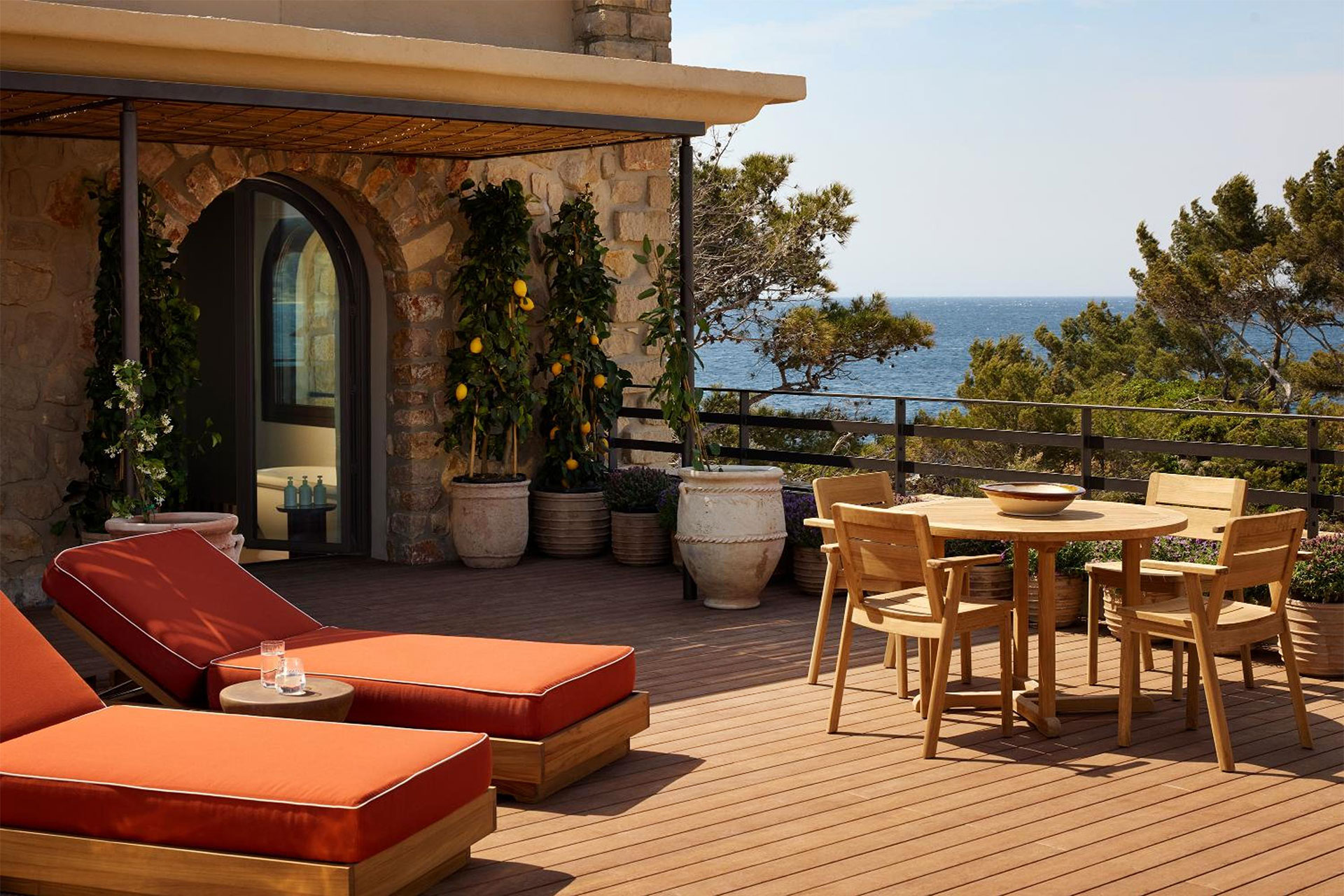
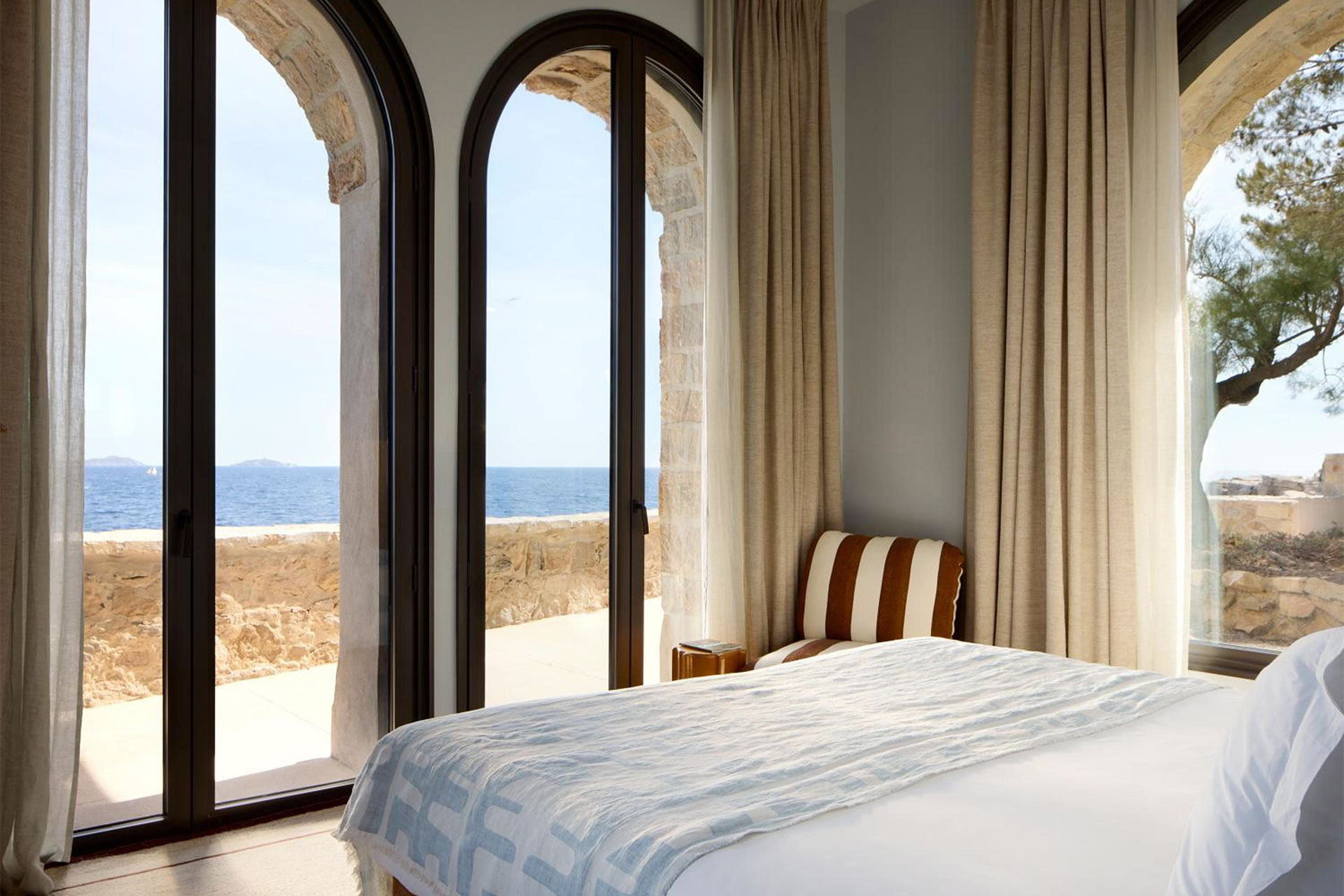
Following a meticulous €85 million, five-year renovation, Zannier Île de Bendor feels more like a village than a hotel. Rooms are dispersed amongst houses, gardens, and public spaces, and there are no corridors that dictate how to move around. Much of the architecture remains as Ricard imagined it; the few new buildings deepen the experience rather than just increase its capacity. Guests, no longer bound by the traditional, are free to become the temporary inhabitants of an island community.
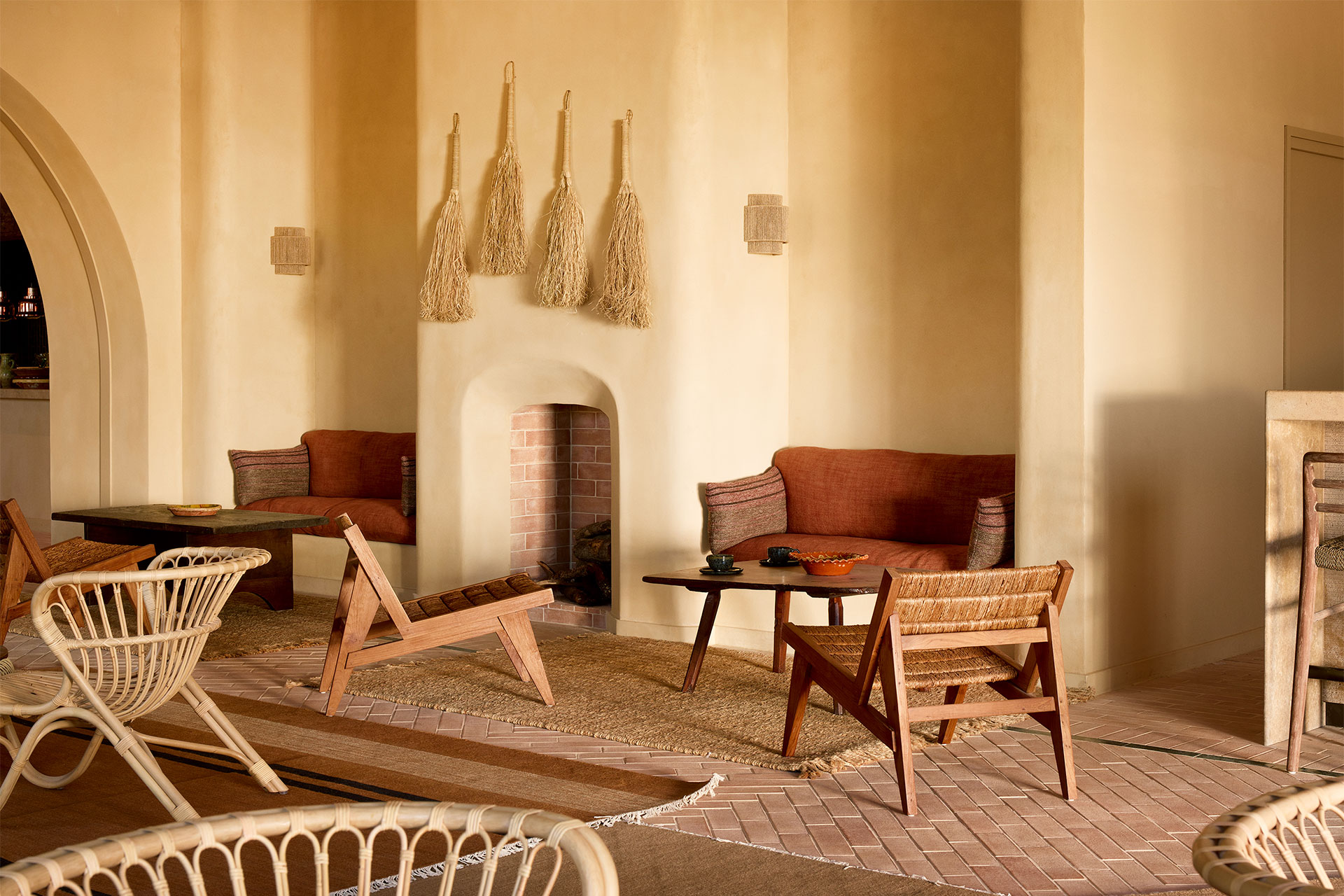
Community here doesn’t mean enforced togetherness. Accommodation is spread across three distinct parts of the island, each resembling a neighborhood with its own subtle purpose. At one end Soukana, shaped around wellbeing, its mood quiet and restorative. The exterior preserves the solidity and character of the original building while inside, the pale stone, natural wood, and warm textures create a sense of ease. On the roof, a 30-meter rooftop infinity pool. Nearby, a newly built 1,200-square-meter spa.
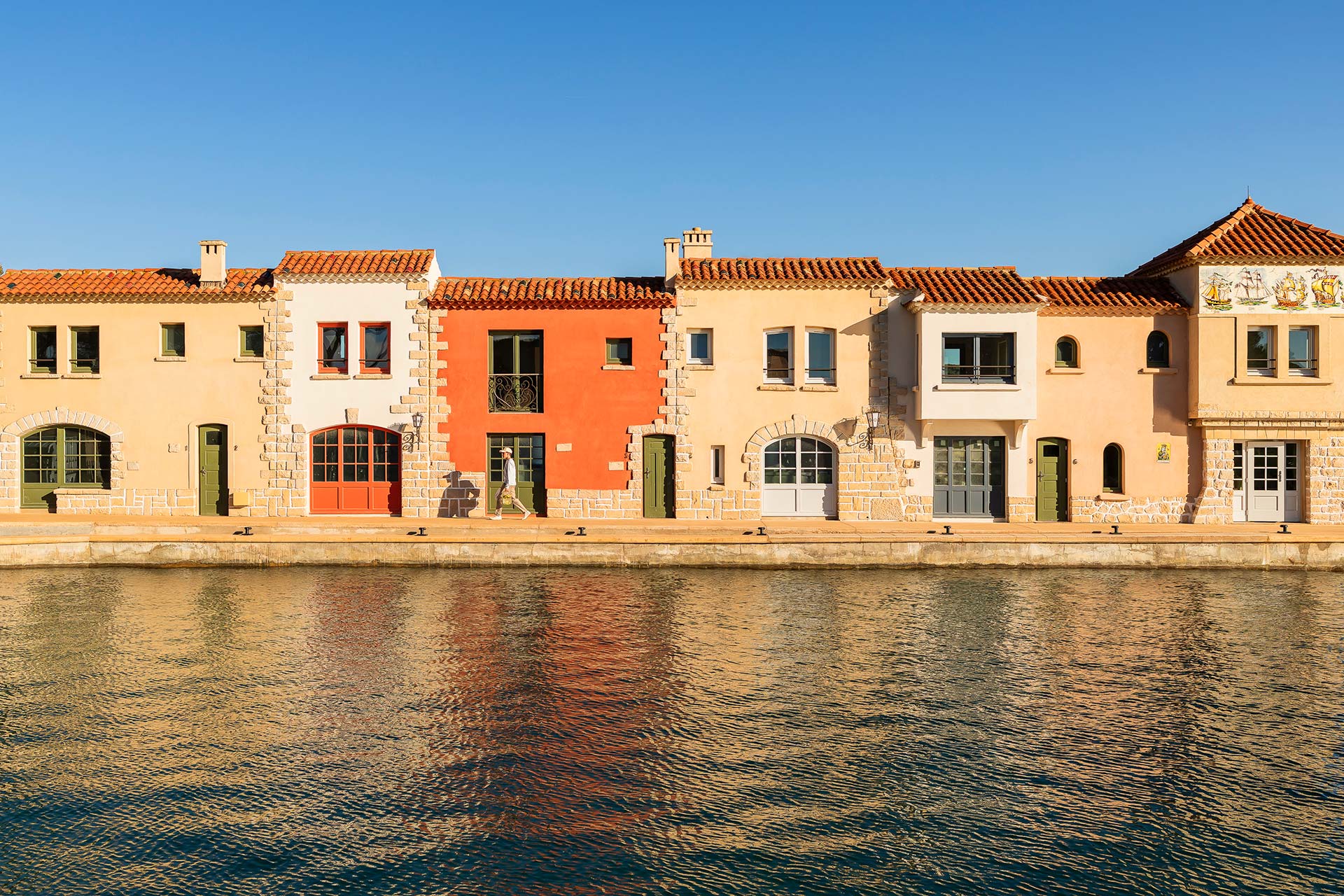
At the other end, Delos, which carries something of the conviviality of Ricard’s Bendor. It’s playful with books, records, a pool table, and restored retro furniture. As evening approaches, guests can choose: settle into the end of the day at Soukana, or follow the rising tempo of a DJ set around the adults-only pool. Between them, nestled by the harbor, sit five Madrague Houses. Originally built as modest shelters for local fishermen, they’ve been restored with living rooms downstairs, bedrooms above, and their own private gardens. They offer perhaps the most literal sense of belonging here: an island home.
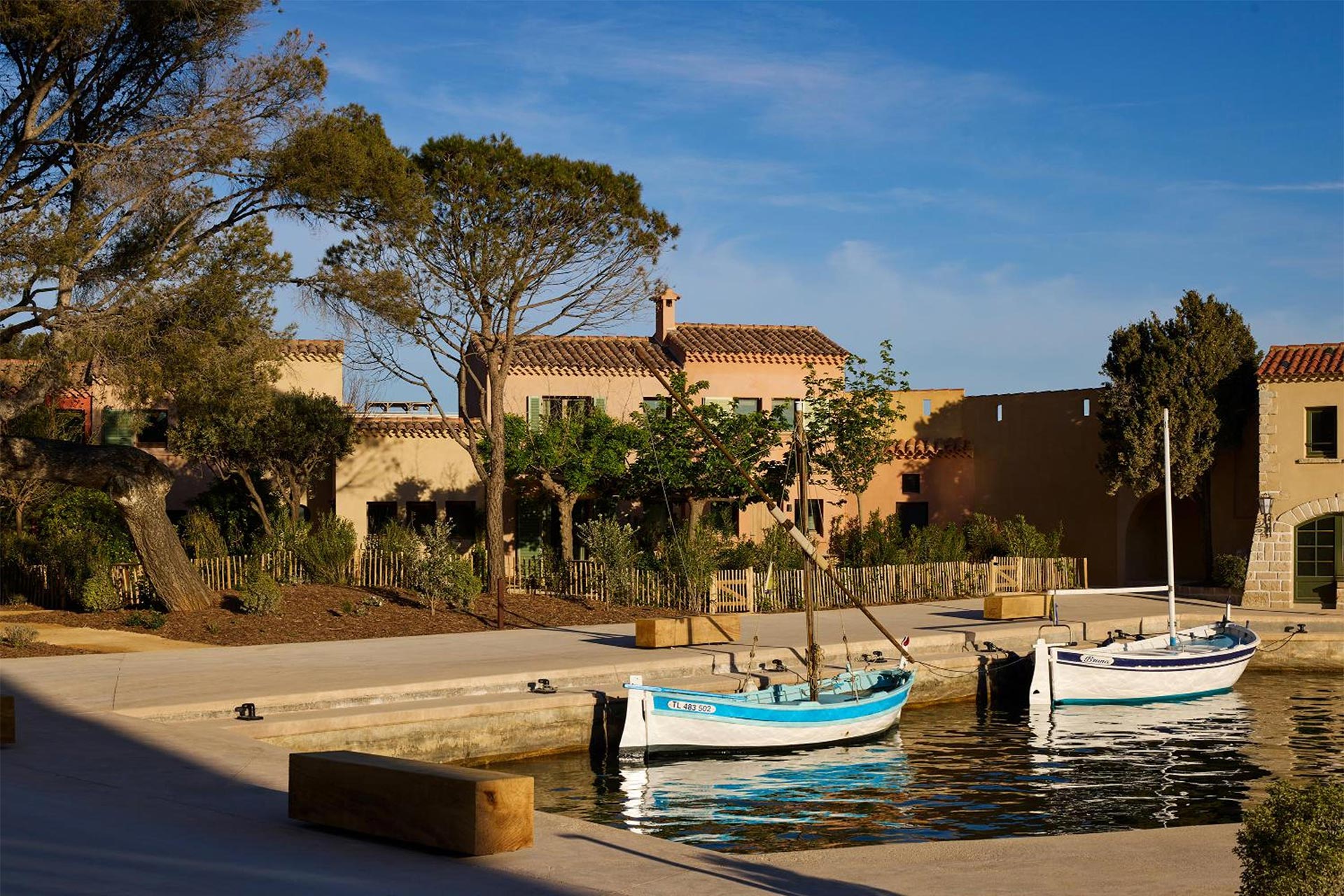
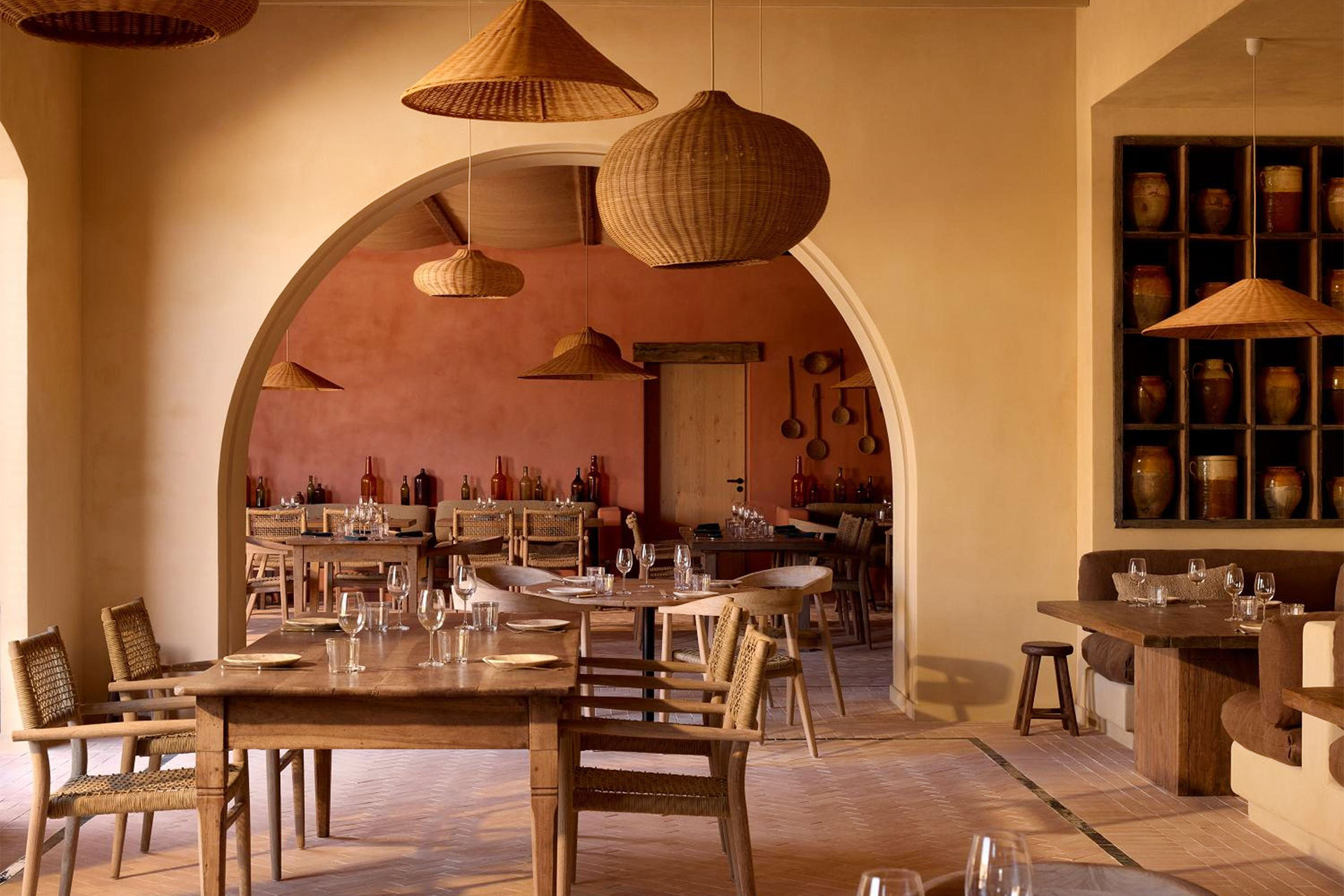
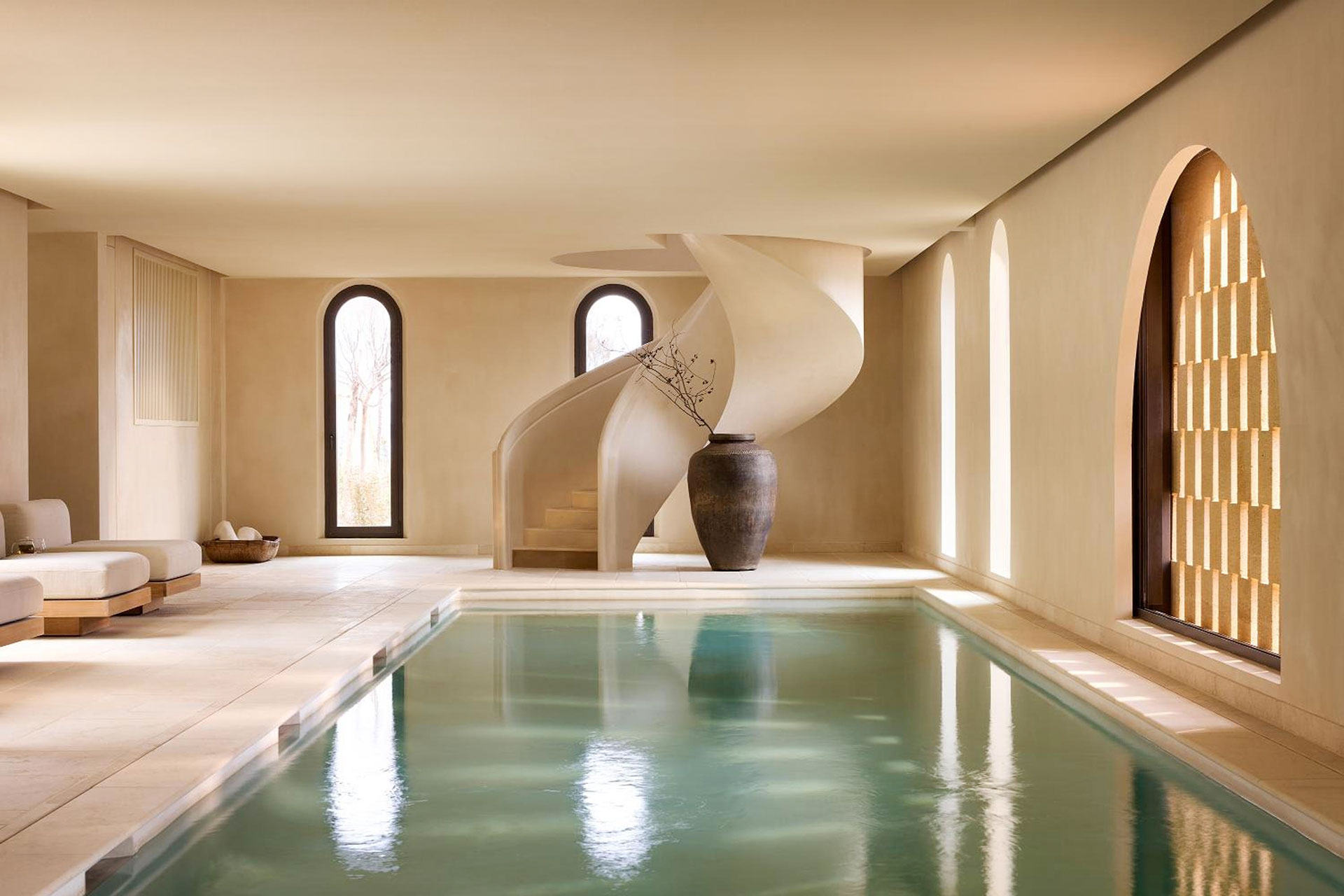
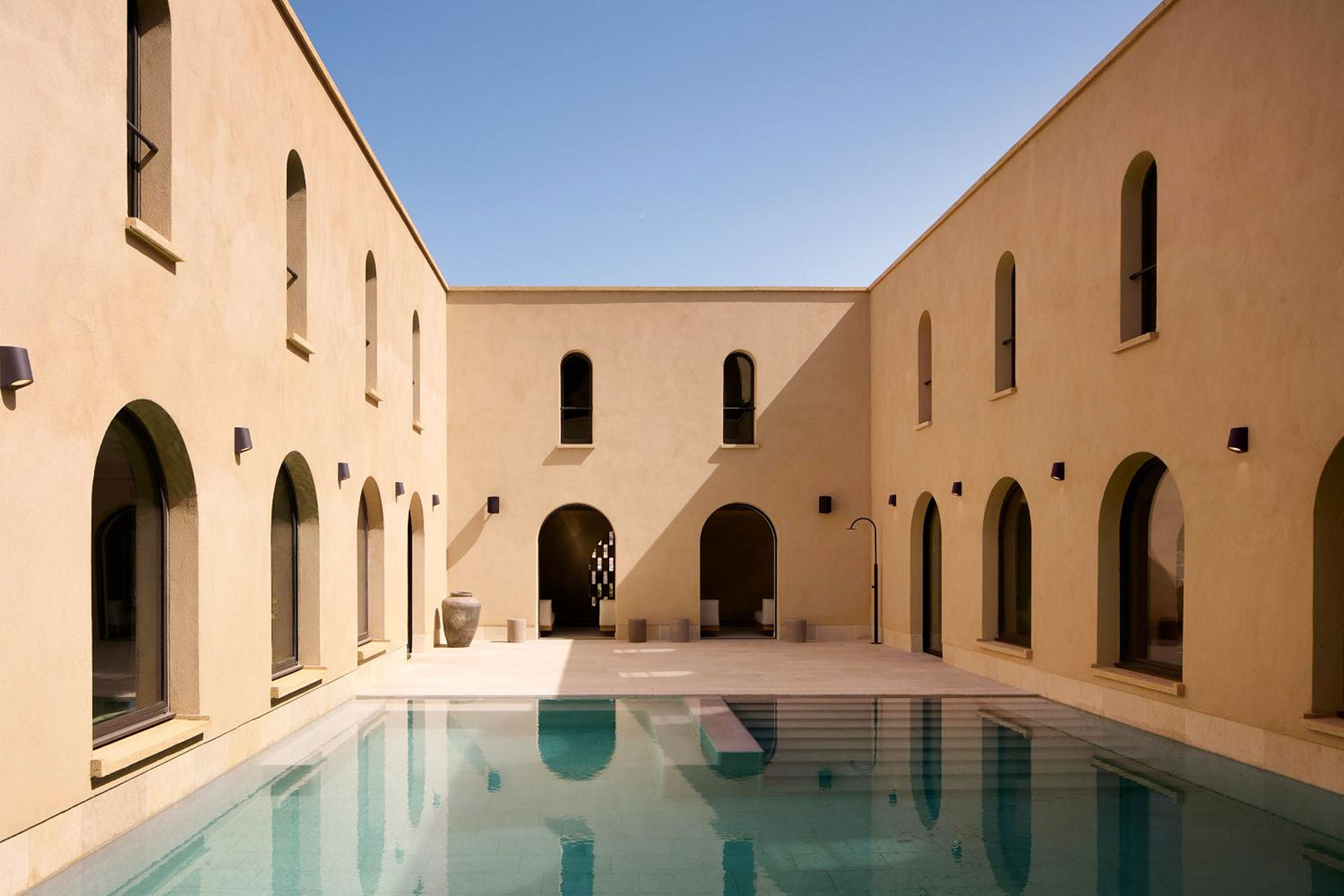
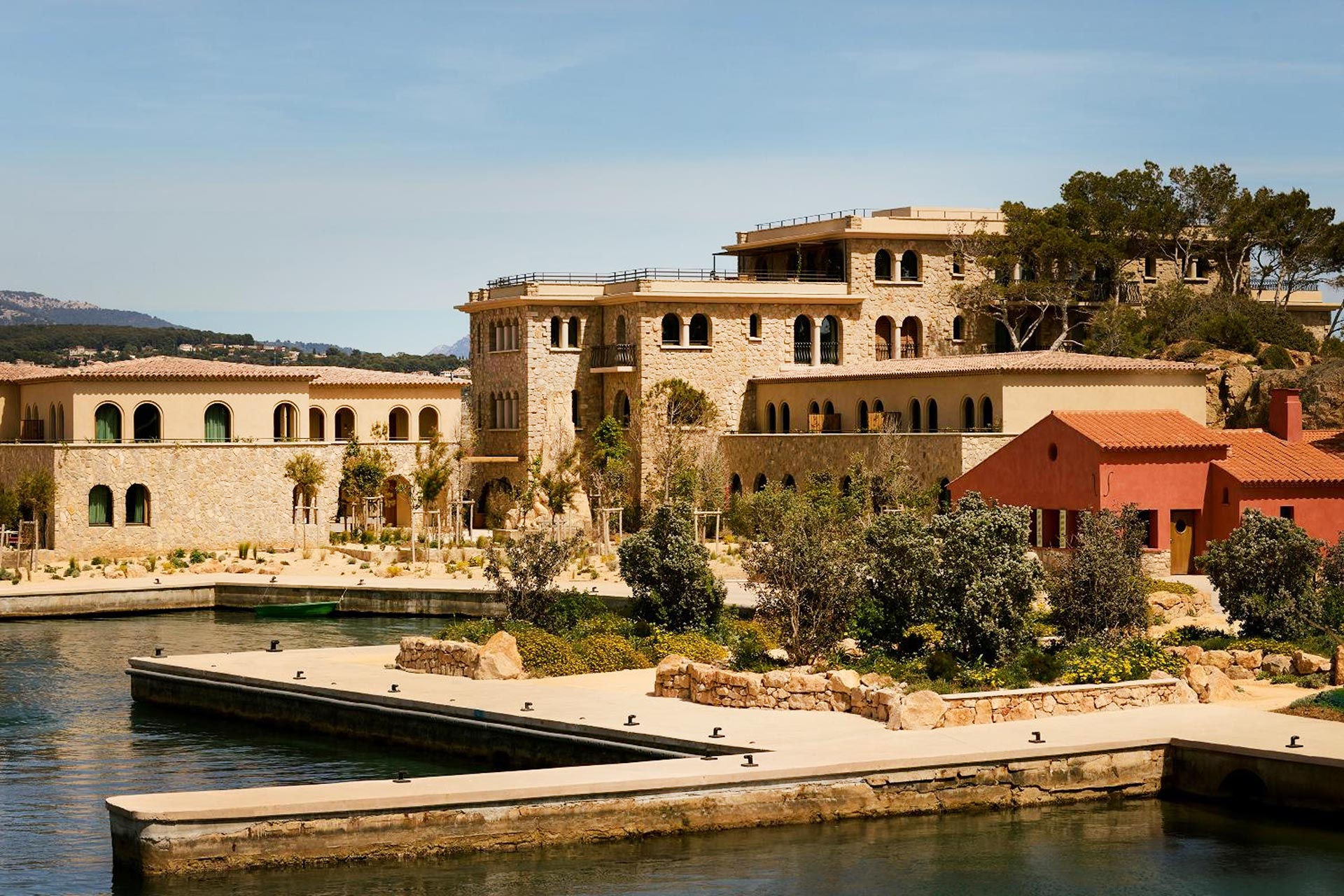
The true heart of Bendor, however, lies at the centre of the island. A small sheltered beach curves around the bay, its clear, shallow water edged by a handful of generously spaced sunbeds. Behind it, Nonna Bazaar, one of four restaurants, gives the island its pulse. With chefs visibly at work, garlic and lemons piled high and an enormous communal table, it feels like the island’s family kitchen. Here is where the boundaries between the hotel and the wider community become most porous as guests eat, swim, and linger alongside day visitors.
Ricard always intended Bendor to be shared so he established a public ferry to connect his island with the people of Bandol, a service that continues today. Zannier also recognized that closing Bendor to locals would remove something essential from its identity. In fact, his vision of combining an island retreat with a life beyond its hotel guests was instrumental in the family’s decision to entrust him with its future.
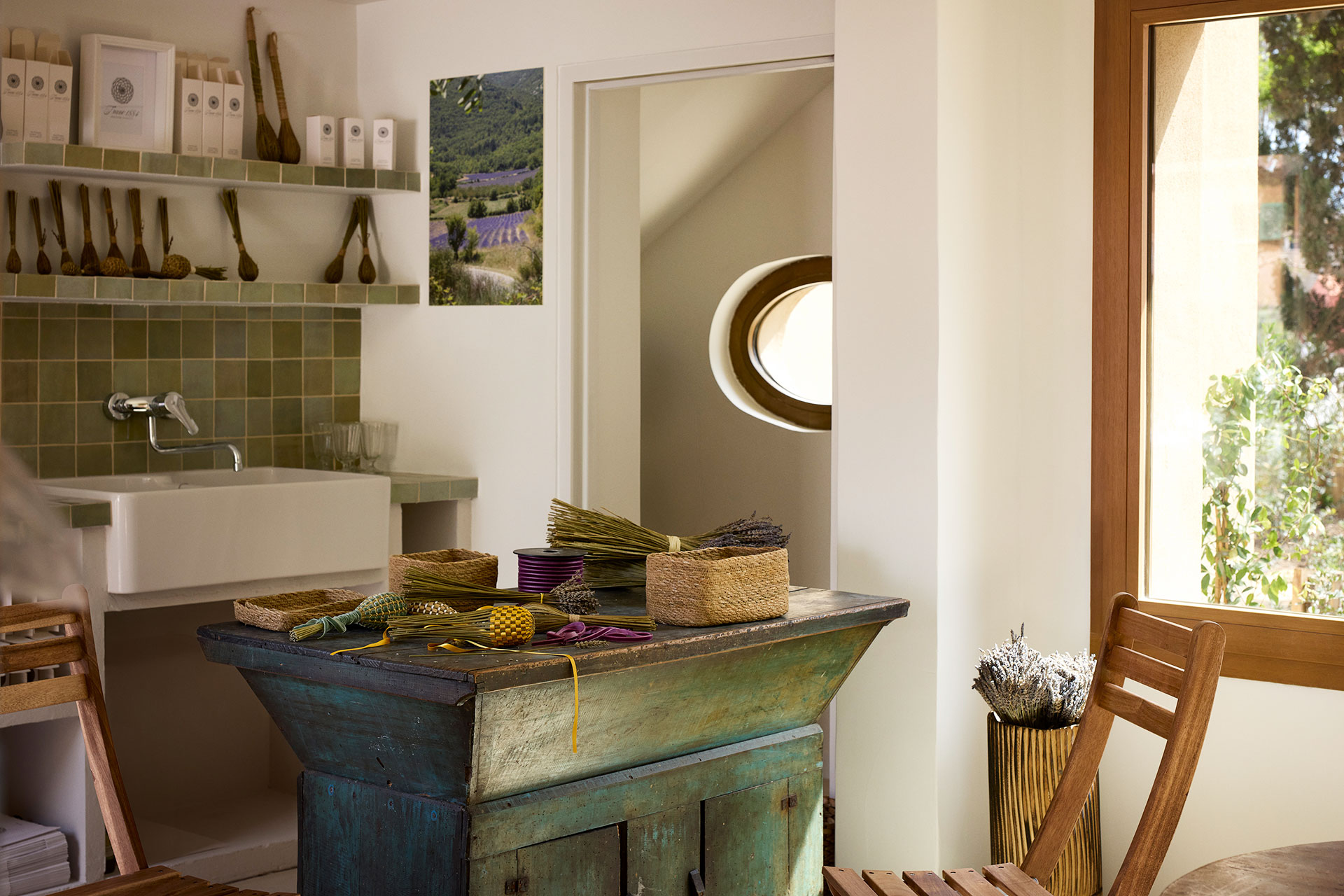
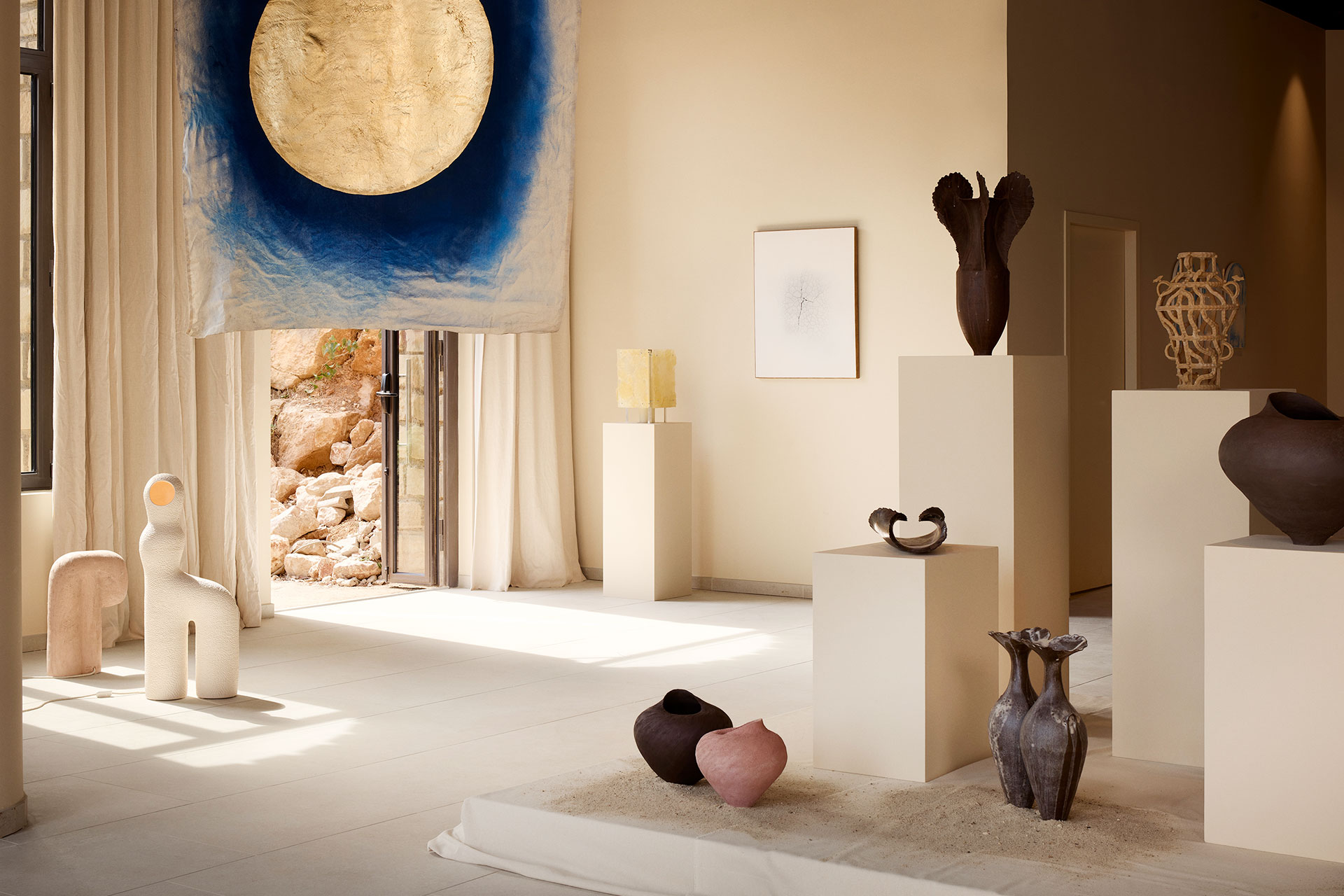
Ricard’s commitment to creativity also survives in the people Bendor chooses to nurture. A short walk from Nonna Bazaar, the artisan village is once again home to working artists. This small quarter formerly housed workshops and stores where craftspeople could sell their work; the restored studios continue that tradition. Doors stand open, allowing guests to watch the artists in residence at work, and on selected days try their own hand at pottery or the intricate weaving of lavender wands. Galerie ORAÉ extends that support through a curated program intended to introduce emerging artists to collectors.
One notable absence is Dalí’s La Pêche au thon: stolen in 1973 and recovered five years later, it’s no longer displayed on the island.
The same model of patronage extends to the Bendor kitchens. Although the island’s culinary direction is overseen by a Michelin-starred chef, emerging talents are given an opportunity to develop ideas of their own.
Le Grand Large invites a different guest chef to take up residence each season and create their own ambitious tasting menus. Soukana takes a more meditative approach. Vietnamese influenced dishes here are light and balanced and can end with a Sankalpa ritual where guests pause to make a wish before leaving the table. Elsewhere, La Table du Delos channels the spirit of a 1960s Riviera clubhouse, and even the harbor crêperie and ice cream counter seem to have stars in mind.
Nothing in particular demands your attention, yet everything seems to receive it. Needs are quietly anticipated: a private boat transfer to Bandol’s market, bicycles waiting where you need them, a mask and snorkel left in your room after booking a diving trip, thirty eight Bach flower remedies laid out for guests to mix at breakfast. Individually, these gestures are small. Collectively, they leave you feeling considered rather than managed, given space without being left alone.
Zannier Île de Bendor is what emerges when those who have an intimate understanding of a place partner with those who have an instinctive understanding of hospitality: a rare sense of grace. That may be the greatest luxury of all.
Book Zannier Île de Bendor on Tablet Hotels.