

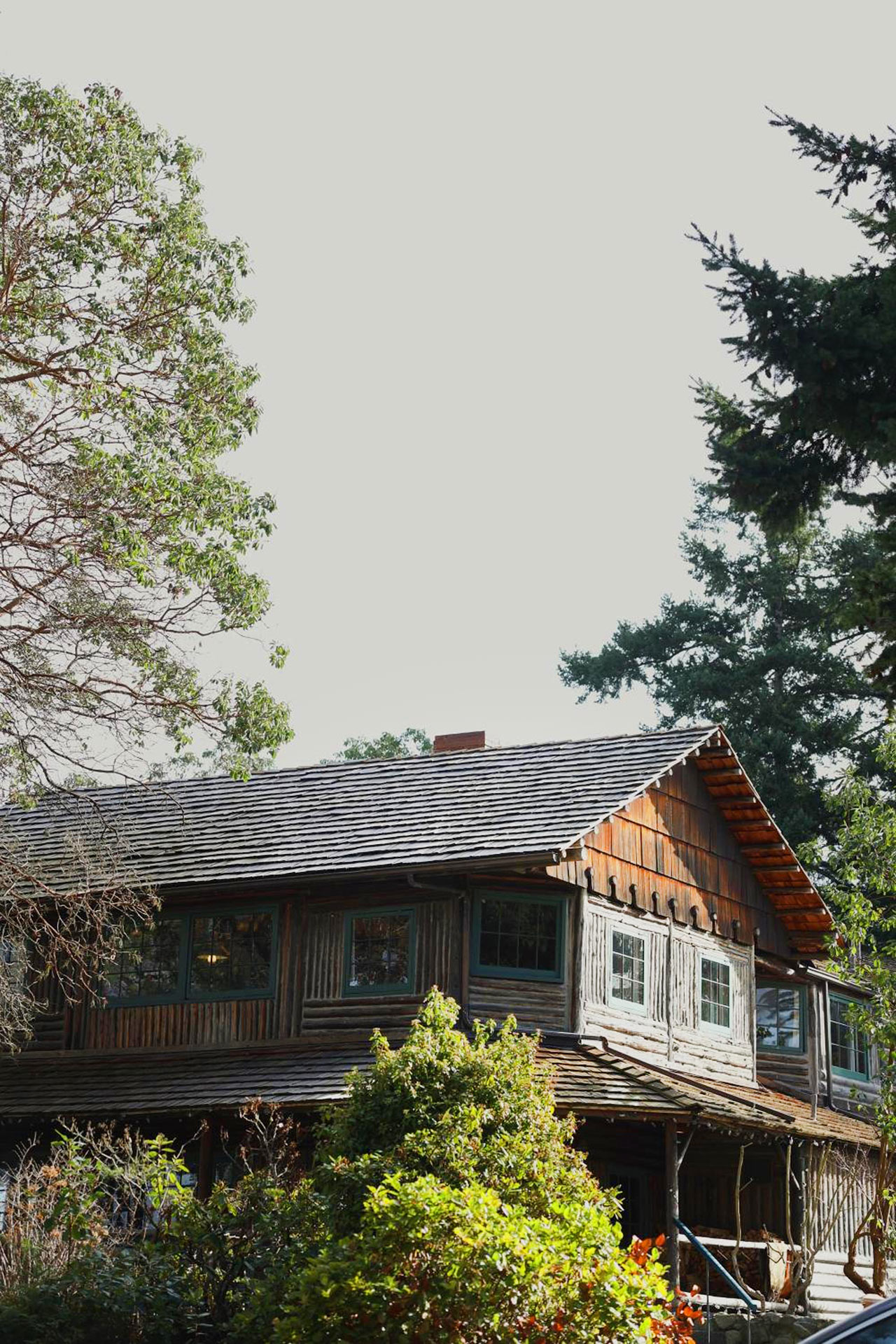
Built in 1907 on an island north of Seattle, Captain Whidbey is an icon of the Pacific Northwest. Where it stands out today is for refusing to let its time-earned personality be railroaded by progress.

By Mark Fedeli
Director of Marketing & Editorial, Tablet Hotels
Part One: Diamond True
There aren’t many hotels in the world like Captain Whidbey. This type of turn-of-the-last-century American waterfront lodge is not usually well kept or well curated enough to find its way into a selection like ours. If it has, it’s probably been overhauled and updated, its original soul visible only in a sort of pantomime. There’s absolutely nothing wrong with catering to the whims of the sophisticated modern traveler, but it’s much harder to lure them in while remaining diamond true to your founding spirit. Which Captain Whidbey does.
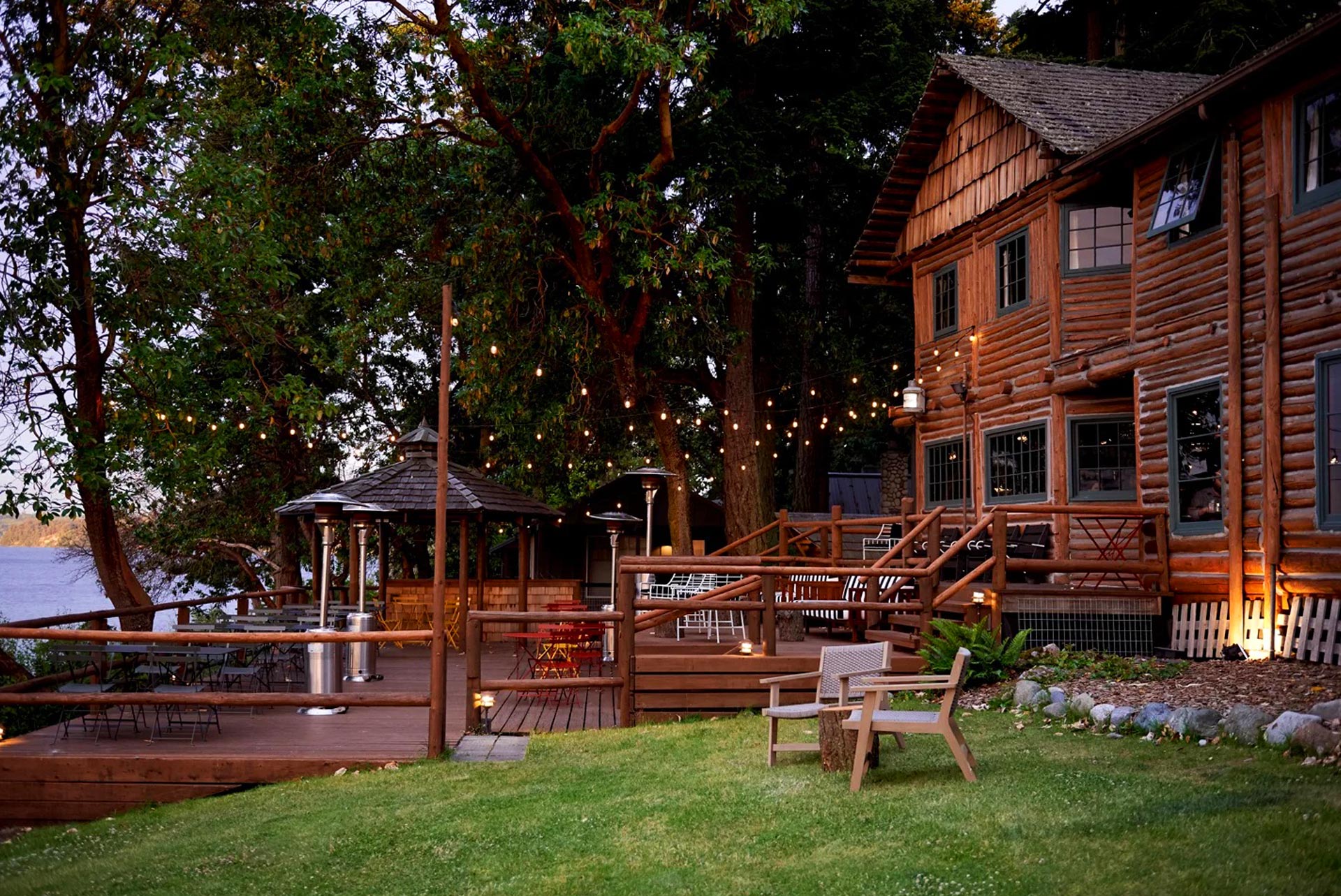
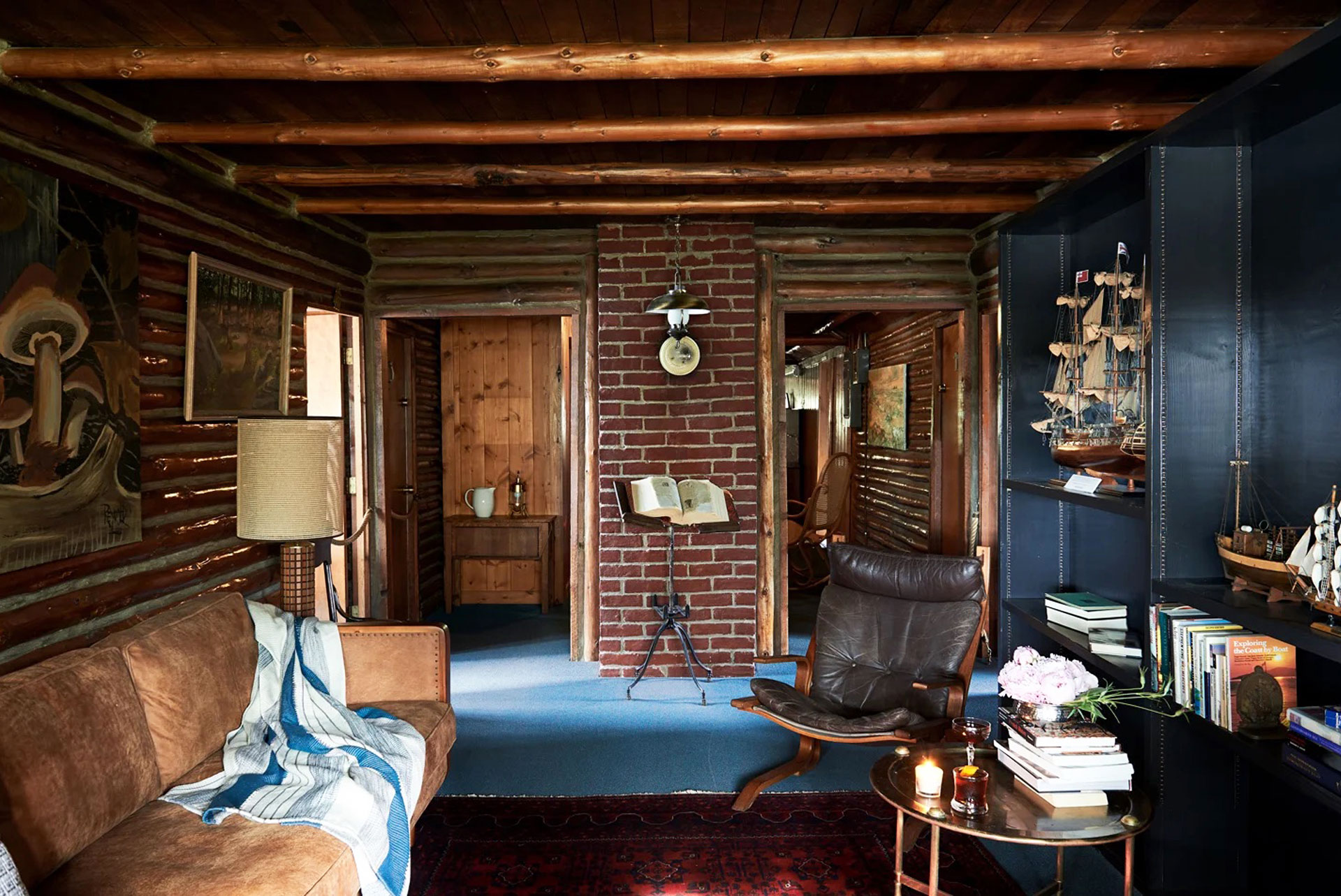
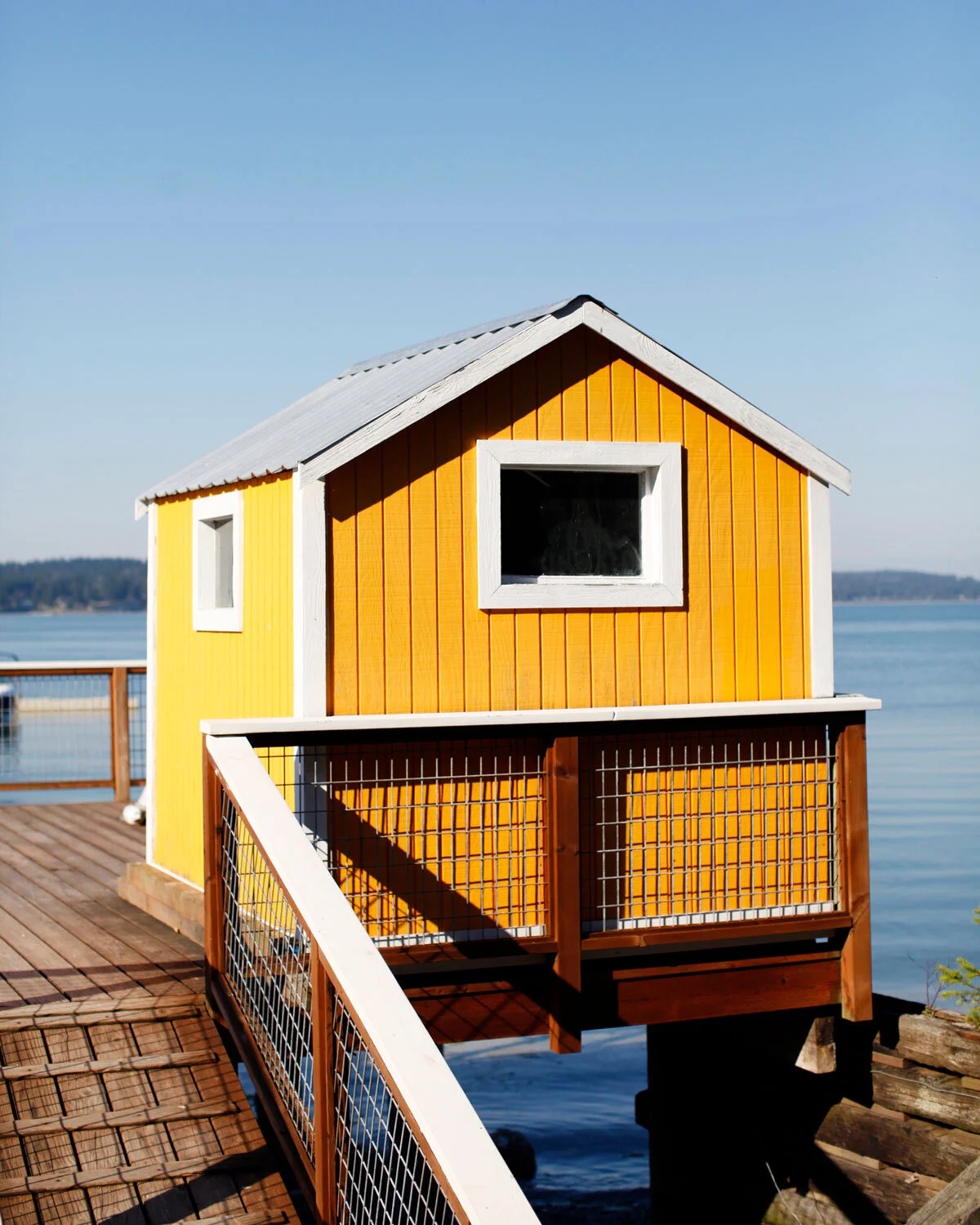
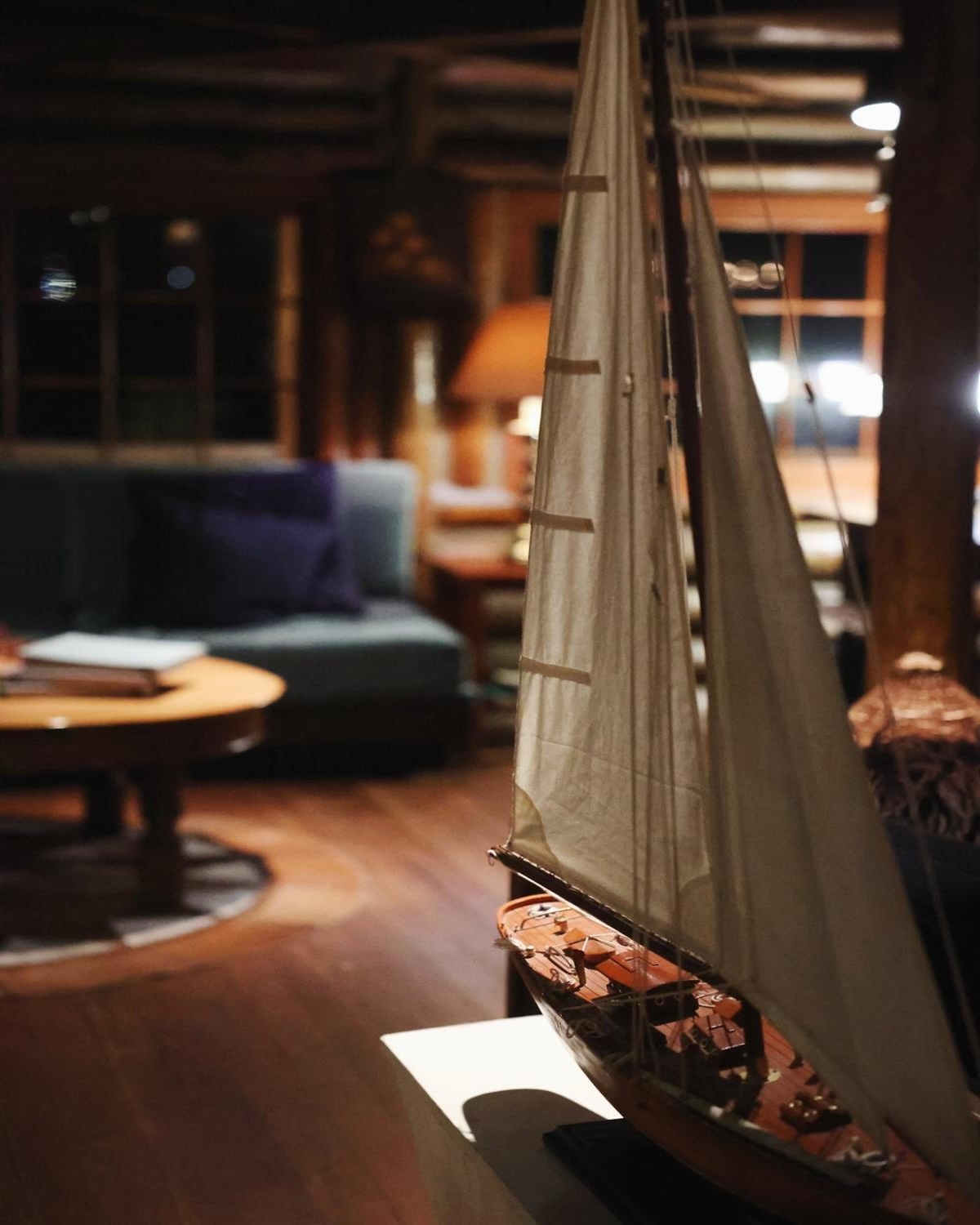
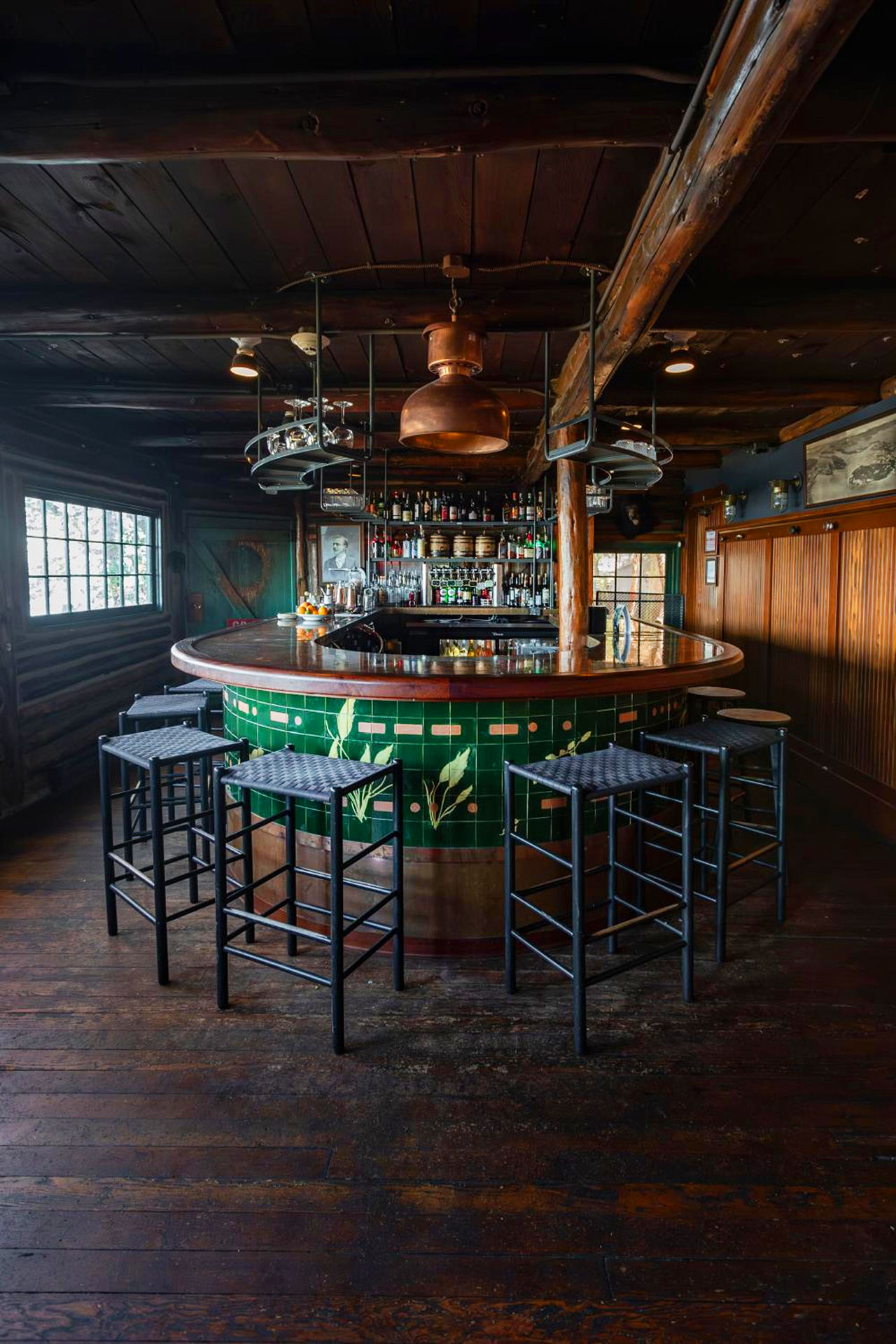
The Captain was developed in 1907 on the shores of Penn Cove by local legend Judge Lester Still. He first called it the Whid-Isle Inn, for its location on Whidbey Island. The original structure, the post-and-beam constructed main lodge, has only been changed in the most necessary ways. The historic rooms, on the lodge’s second floor, are a proud step back in time. They have low ceilings and shared bathrooms because that’s what they’ve always had. Through the wide floorboards you might hear the clink of glasses from the bar below, because everyone always has.
The hotel’s own description puts it plainly: “The Historic Lodge is older than any human being on Earth. Respect her.” Its 119 years (at the time of publishing) edge out the UK’s Ethel Caterham, who only has 117.
Book Captain Whidbey on Tablet Hotels.
Part Two: Practical Magic
Like Ethel, we assume, Captain Whidbey has a one-of-a-kind character that was earned through the long passage of time, including the weathering and imperfection you’d expect from nearly 120 years on an island in the Puget Sound. The hotel feels handmade, and subsequently, built to last in this tempestuous wilderness: bowing, never breaking. On offer here is a slower, simpler sort of life; technology isn’t technically verboten — there’s plenty of electricity and WiFi, even some refrigerators and microwaves in the guest rooms — but there are no TVs.
A short drive from Captain Whidbey is downtown Coupeville, a cute bayside hamlet where they shot the 1998 Nicole Kidman-Sandra Bullock vehicle Practical Magic (which has scenes in Judge Still’s old office). But appropriately, my room at Captain Whidbey reminded me of another Pacific Northwest-set film (and novel): Denis Johnson’s Train Dreams, about an early 20th-century railroad laborer who is mistrustful of modern advancements.
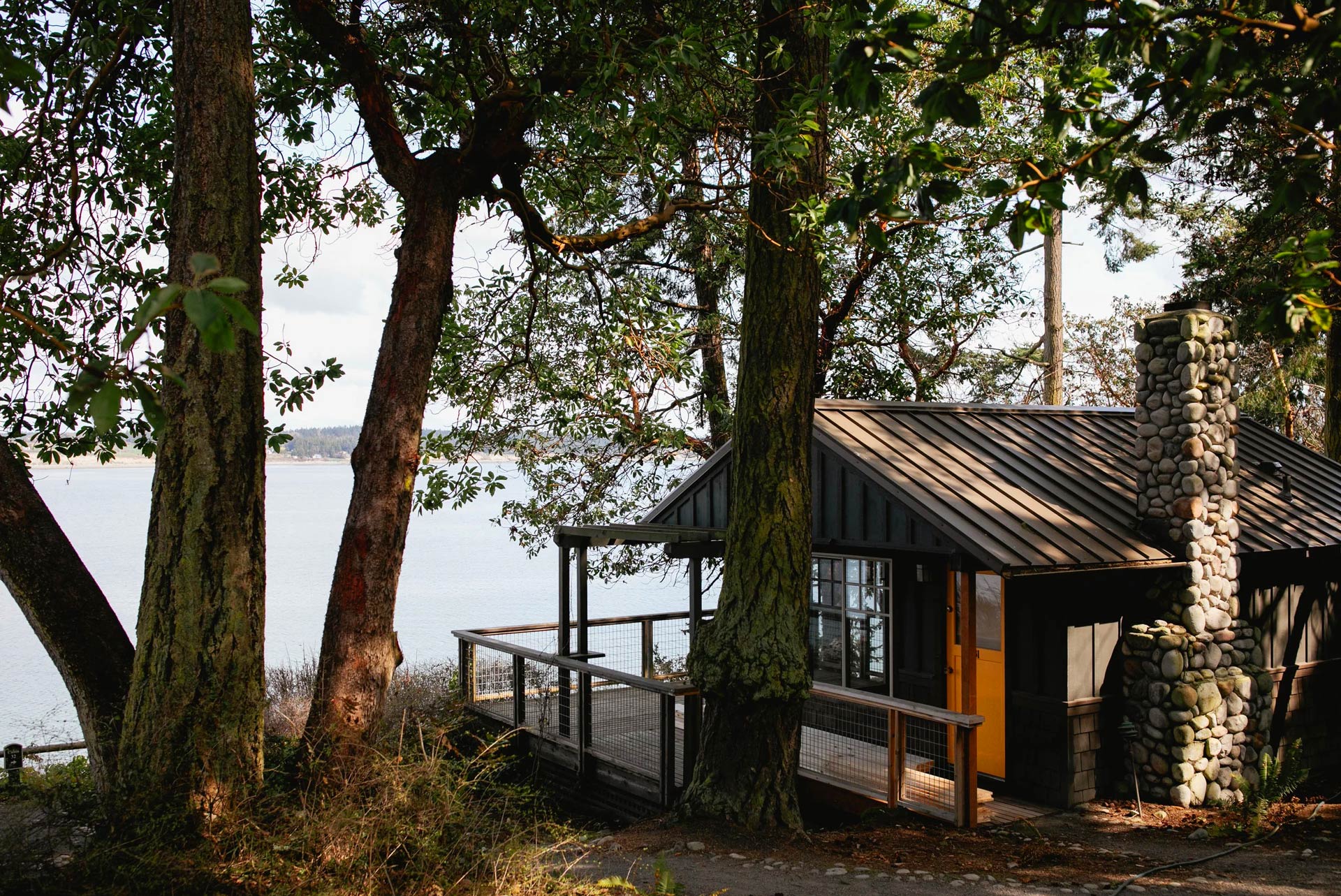
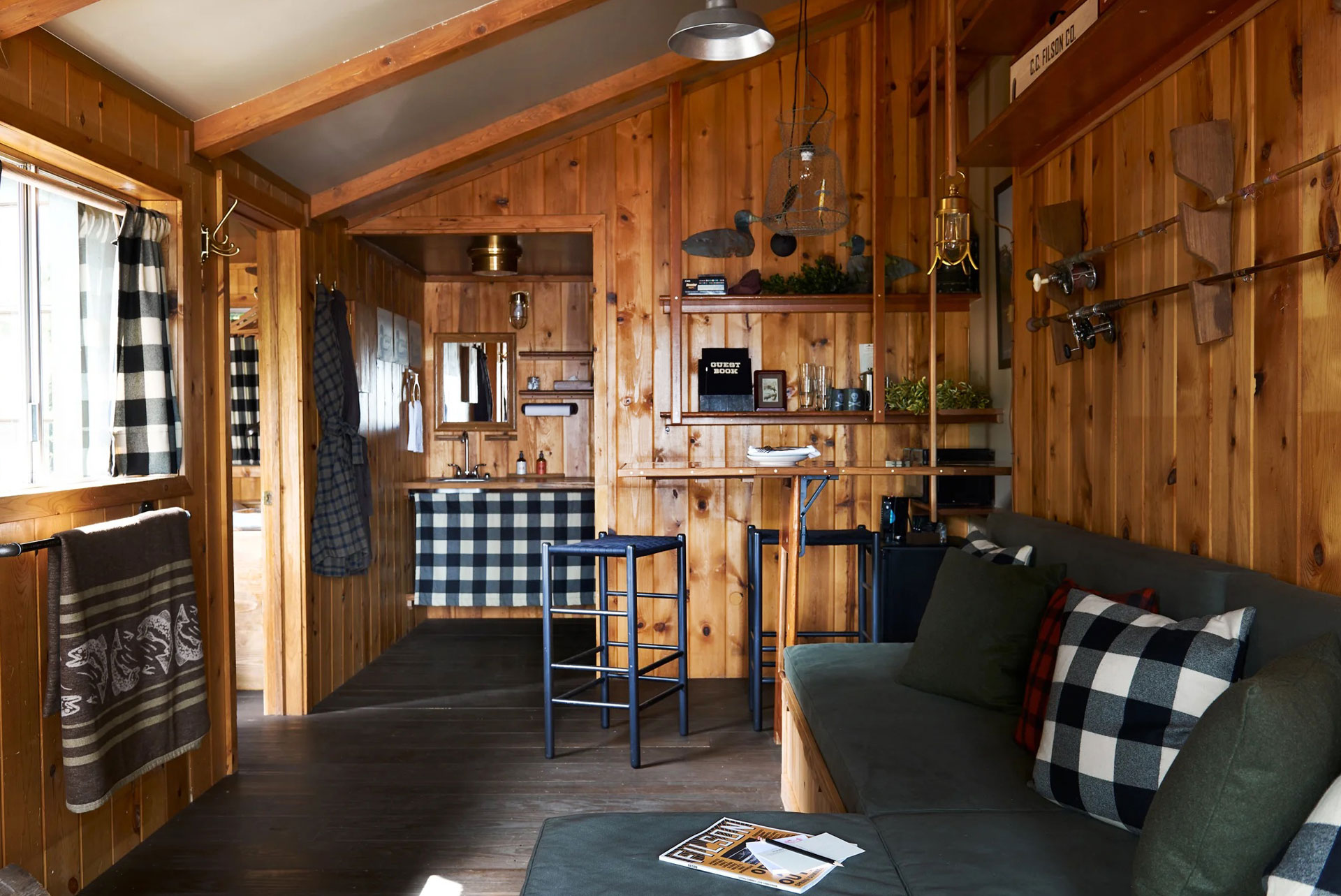
The room, one of the hotel’s four cabins, was designed by Filson, the Seattle-based clothing brand that started life in 1897 as an outfitter for explorers during the Alaska gold rush. If you’ve ever stayed in a hotel room “designed” by a notable person or brand, the intent isn’t always clear. Not here. Filson designed their cabin at Captain Whidbey to replicate, as closely as is reasonable, the Northwest maritime heritage from which their brand was born and to which the hotel pays tribute.
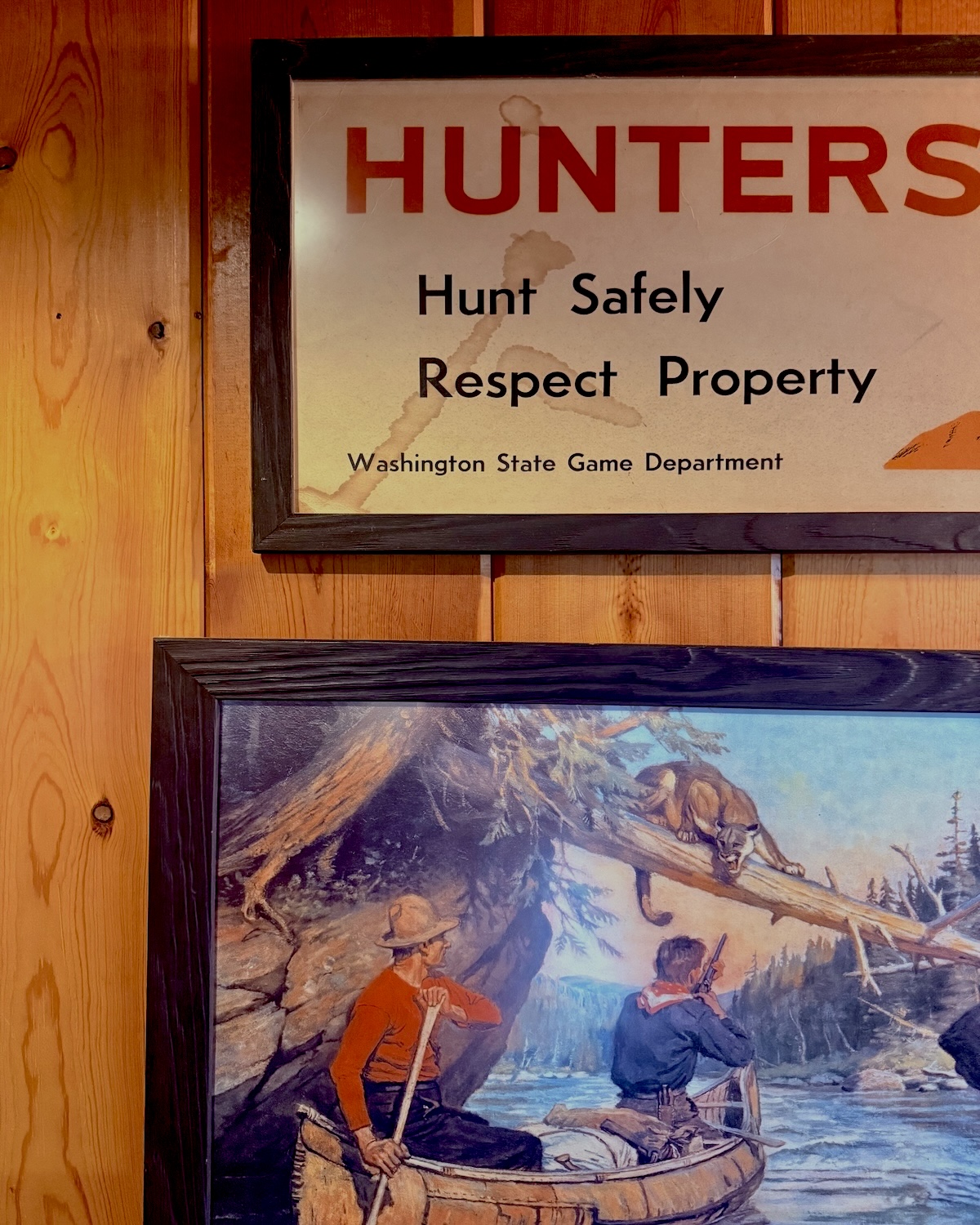
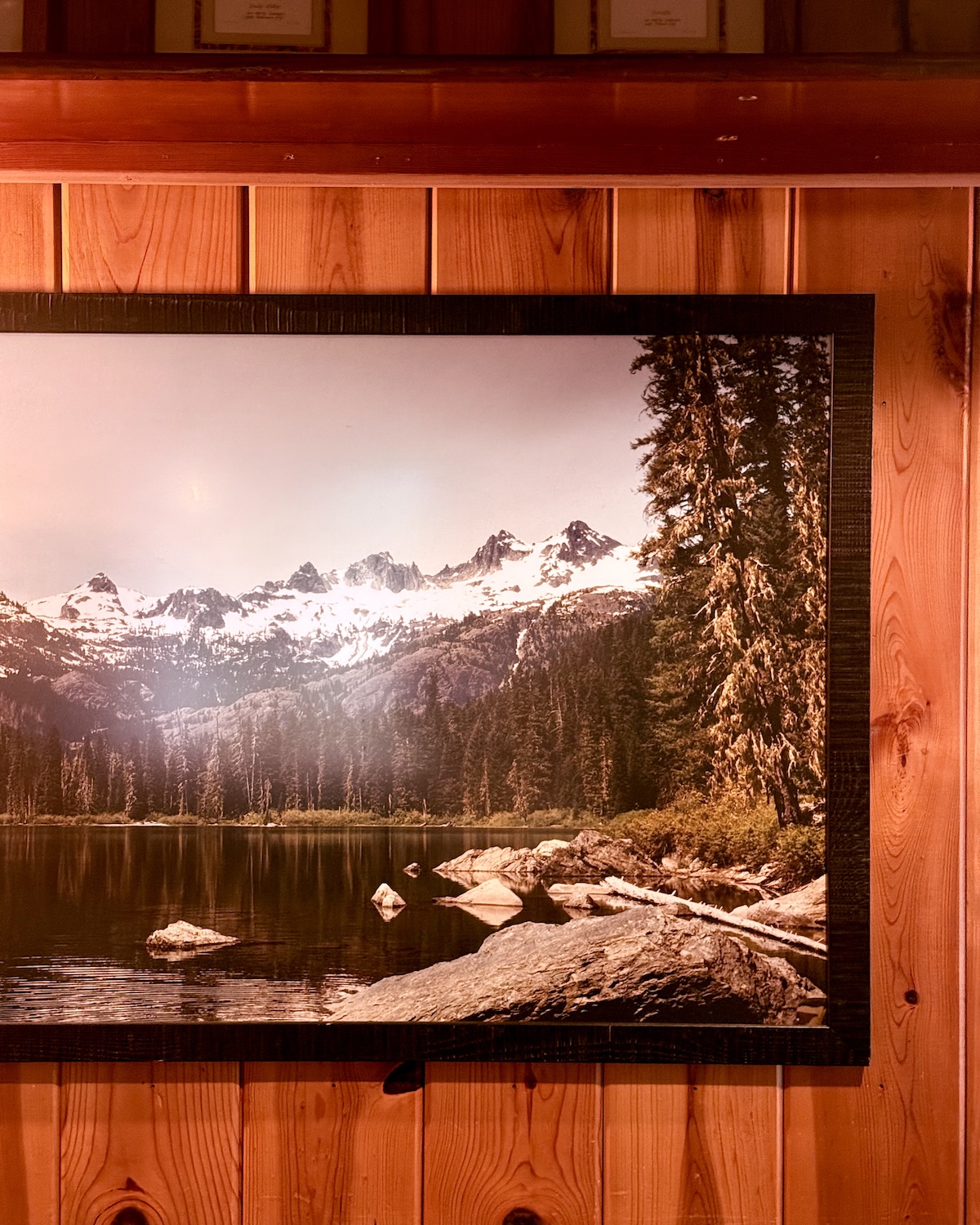
It’s evident in the decor: wood-paneled walls, brass fixtures, a stone fireplace, dock-light sconces, crab-pot chandeliers, vintage snow shoes, paintings, and fishing poles. There’s a woodpecker door knocker that, like most of the ornamentation, is tactile and intricate in the ways we love to romanticize about craftsmanship from previous eras. There’s a copper-topped bar that folds down in the kitchen area — the kind of detailed wooden furnishing that could only have come from the galley of an old sailboat.
More than all that, though, the room gets its sense of time and place from its scale. The cabins are not small — they’re legitimate one-bedroom suites with private outdoor spaces — but like the protagonist’s abode in Train Dreams, they are intimate. The king-size bed is encased in its room, surrounded on three sides by custom cabinetry as if you’re sleeping in a womb made of reclaimed teak. The faded, hardbound books about trappers and seamanship are begging you to get lost in them. Through the window, views over the water, a whale swimming by if you’re lucky.
Book Captain Whidbey on Tablet Hotels.

Part Three: The Behemoth
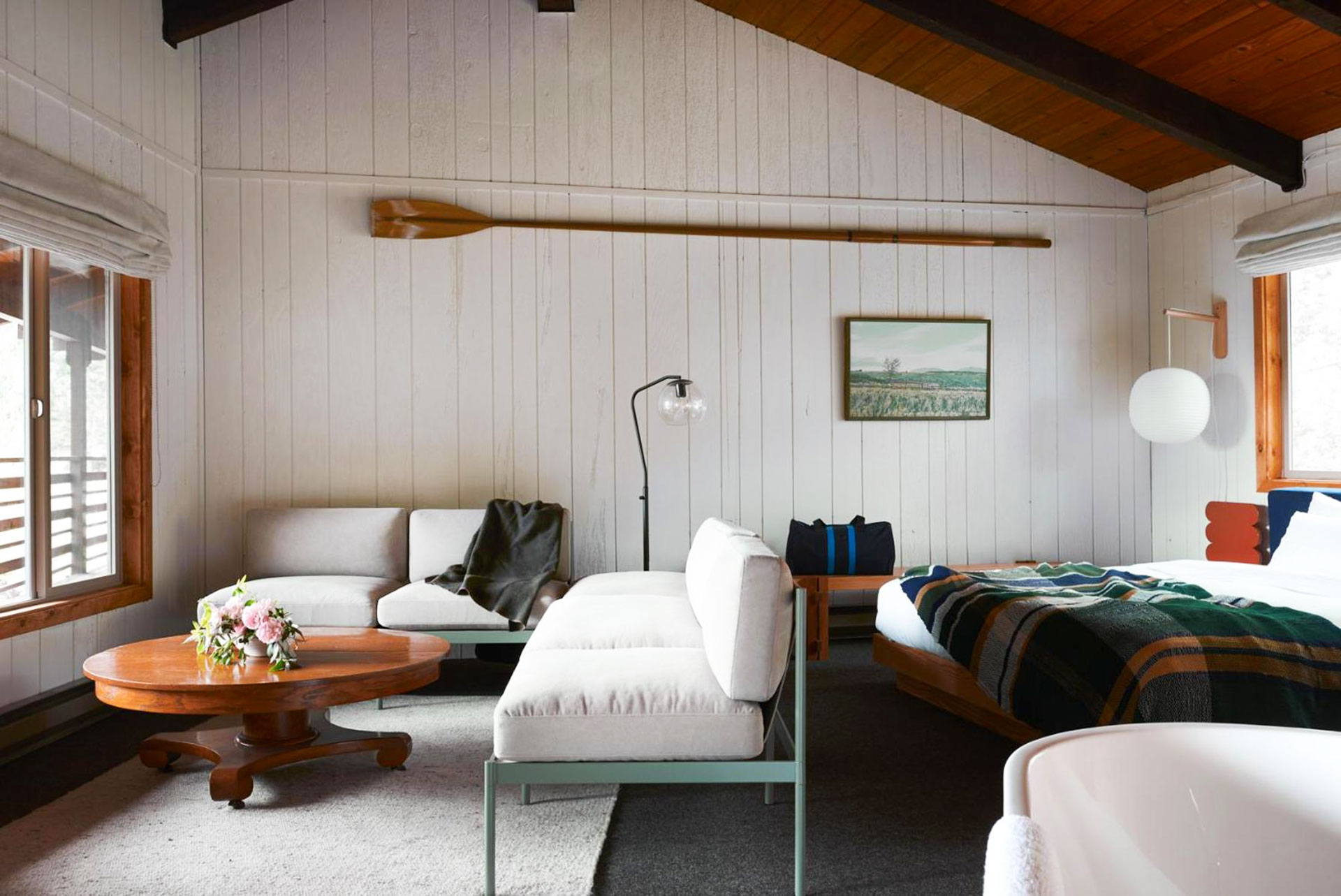
Not everything at Captain Whidbey is as theatrical as a far-off foghorn. The Lagoon rooms, overlooking the hotel’s own swimming hole, sport a more contemporary and streamlined Scandinavian influence. And the three other custom-themed cabins, designed by local concerns Glasswing, We the Nomads, and Edit Whidbey, speak directly to PNW culture with progressively more brightness than the Filson. There’s a cheery wellness studio, with a sauna, and the restaurant, while looking as brooding as it must’ve looked when the lodge opened, is filled with the beaming smiles of the extraordinarily welcoming waitstaff and the delightful aroma of locally-inspired dishes.
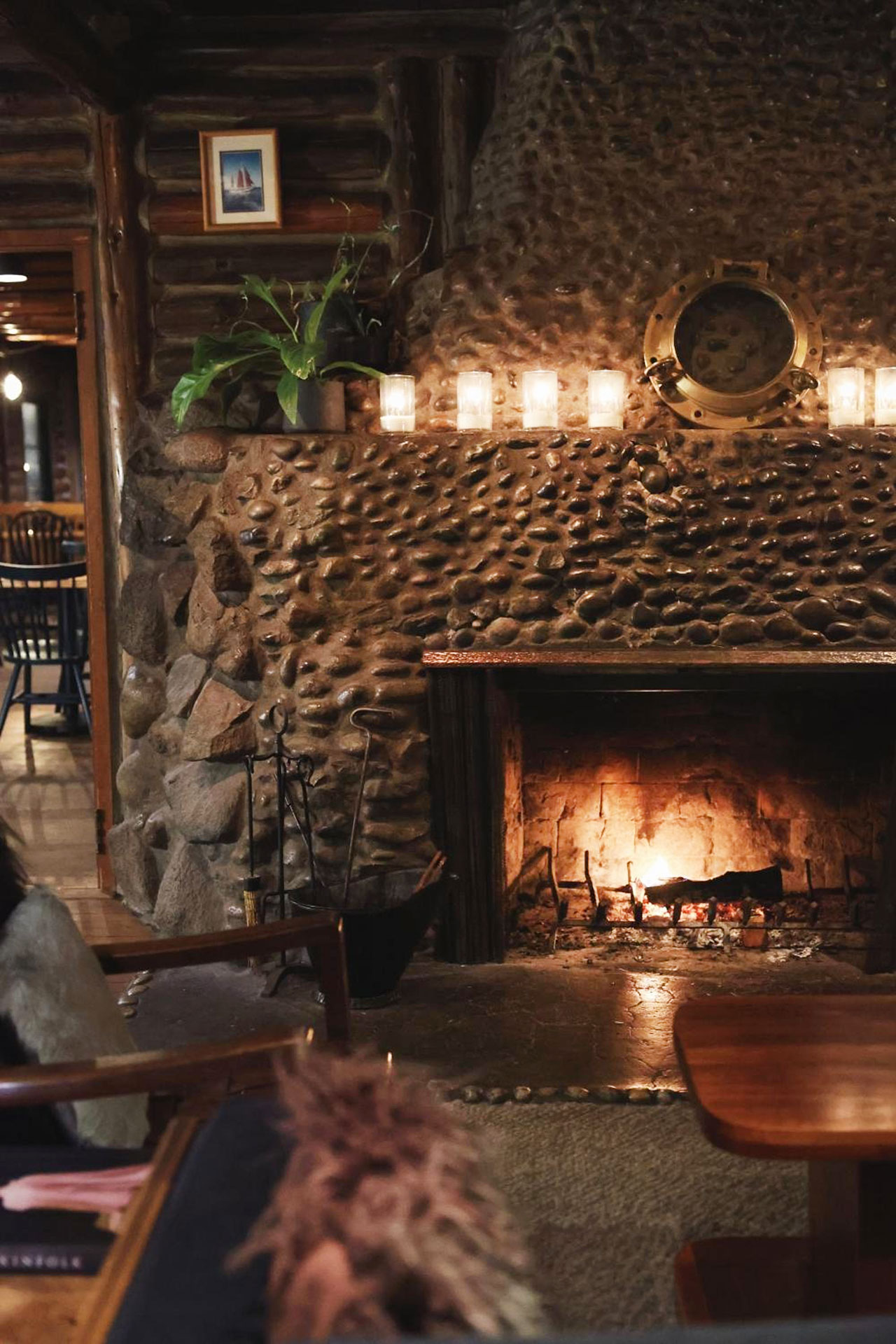
But truth be told, I was here for the drama. For the dark wooden logs that the lodge rested upon, and the corners full of shadows cast by having just enough lamps and not a single one more, and the materials made to be interacted with for centuries. And for, most importantly, the fireplace.
I’d been anticipating walking into Captain Whidbey for years, ever since it was restored and reopened by its current owners in early 2019. I knew that through the front door of the lodge I’d finally see one of the greatest hotel fireplaces in the world (if you know, you know), a hulking behemoth that seems to draw all color and sound toward it. It was no less stunning in person than it’s been in the pictures I’ve obsessed over.
I sat and stared for a while, knowing it would still be there long after I was gone.
Book Captain Whidbey on Tablet Hotels.

Mark Fedeli is the marketing and editorial director for Tablet Hotels. He’s been with the company since 2006, and thinks you should subscribe to our newsletter.