
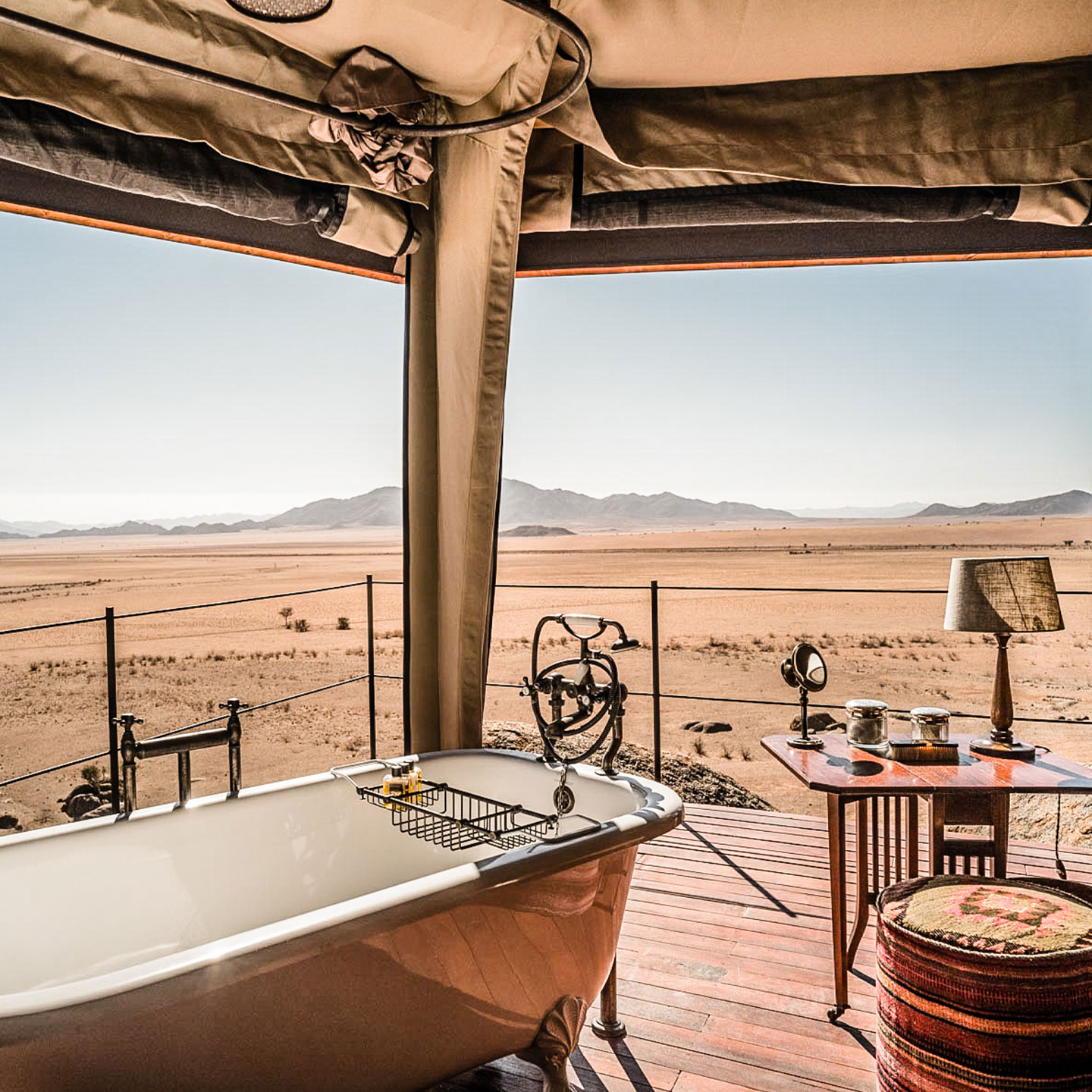
Arnaud Zannier doesn’t just create hotels, he creates panoramas — complete, comprehensive hospitality experiences with all the drama and amusement of the cinema.
There’s a nineteenth-century German concept called Gesamtkunstwerk, in which multiple forms of art are combined to produce a single work. Filmmaking, with its fusion of writing, photography, performance, sound, editing, and on and on, is often cited as a modern expression of the idea.
In English, it’s known as “total art,” and there are hotels that embody the concept. We don’t mean all-inclusive resorts. We mean hotels that within their scope hold every facet of the travel experience: setting, service, architecture, design, cuisine, history. We mean the Zannier hotels.
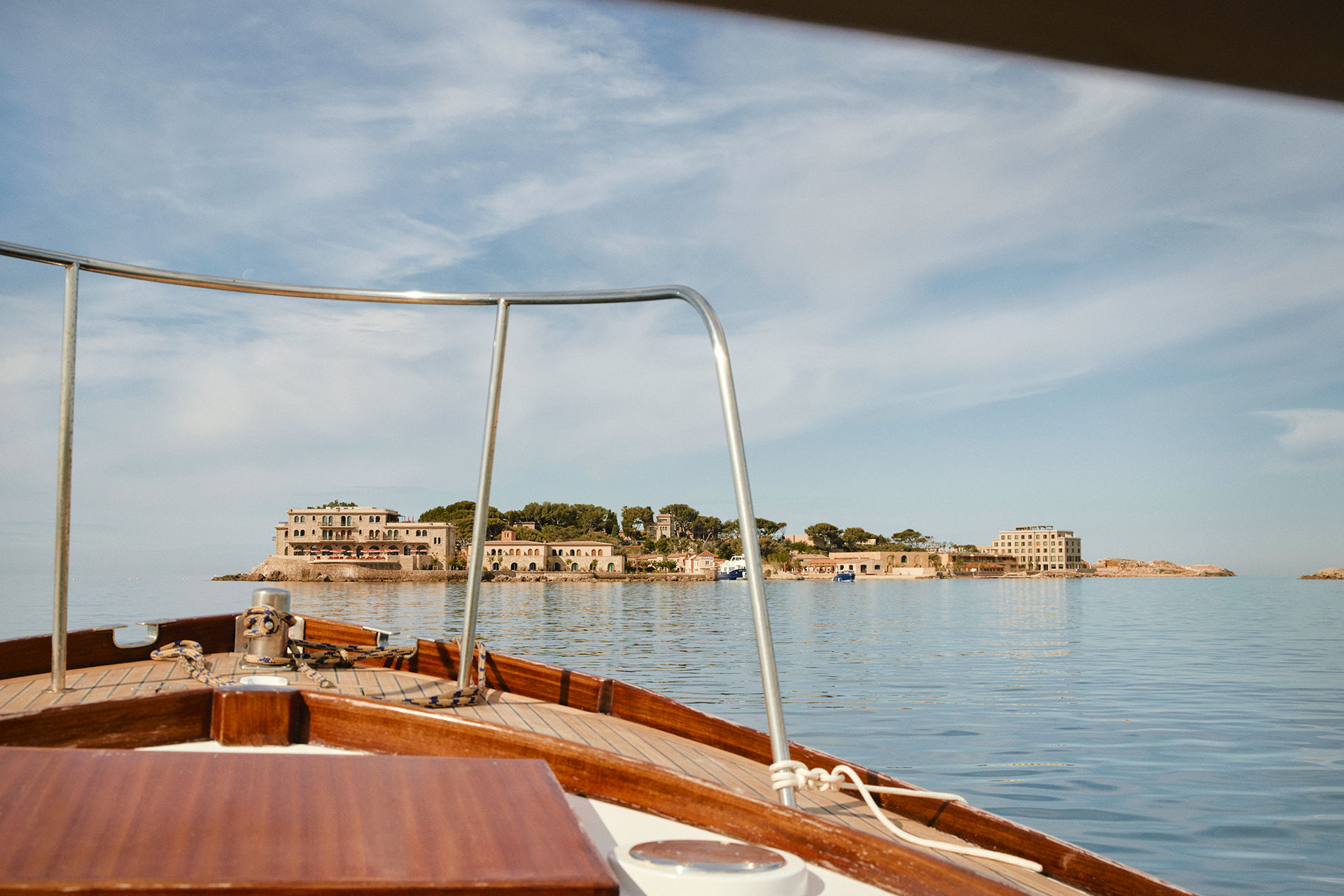
For an example, look to Zannier’s latest opening in France, Zannier Île de Bendor. Pastis-magnate Paul Ricard bought Bendor island in 1950 and set out to create a haven for artists, the local community, and the kind of easy living the Mediterranean is famous for. Zannier founder Arnaud Zannier kept that spirit alive. The “hotel” comprises the entire island, making it feel more like a Provençal village. Rooms are dispersed throughout the property in various types of structures both old and new, and guests are encouraged to wander amongst it all, discovering delightful surprises around every corner. If ever there was an example of a Zannier hotel as total art, this is it.
Read our full profile of Zannier Île de Bendor here.
Meanwhile, that cinema should come up in a discussion of Zannier is nearly a prerequisite. Angelina Jolie, as it happens, plays a role in the story of three of their six properties. The Siem Reap location, Phum Baitang — Zannier’s second hotel after Le Chalet in the Alps — first drew the actress into the plot, hosting Ms. Jolie and her family for months while she filmed First They Killed My Father. Later, the movie star’s recommendation that Arnaud Zannier meet with her friend, a conservationist in the Namib Desert, eventually spurred two projects: the stunning nature preserve at Omaanda and the gorgeous fantasy camp at Sonop.
But if you worry too much about the starpower of it all, you miss the finer points. Perhaps I was too enthralled myself with the glamour of the Jolie-inflected properties. When I asked Mr. Zannier about his hotels, I noted the more adventurous settings of Siem Reap and Namibia, compared to a city closer to the French hotelier’s home, like Ghent. Politely, he pushed back. “Opening in Ghent was also an adventurous choice,” he noted, because “at that time, no one thought” a luxury hotel could survive there.
With 1898 The Post — set in Ghent’s 110-year-old neo-Gothic post office, and filled with antique furniture, stone walls, period postcards, and grand bookcases — he’s more than proven the doubters wrong, and he’s done so with a formula he’s used around the world. Or rather, an anti-formula. “If you just do the same thing a bit better or a bit cheaper, in time you will lose,” Mr. Zannier once told Forbes. “You have to bring a different story.” In fact, his work in Ghent is perhaps the best advertisement for his philosophy. The “adventurous” settings of Phum Baitang, on the outskirts of the miraculous Angkor Wat — and his two projects in the ephemeral Namibian landscape — hardly require any justification.
Editor’s note: We interviewed Mr. Zannier in 2020. 1898 The Post in Ghent is no longer part of his group.

It’s the painstakingly chosen design, the traditional architecture, the historical references that give a Zannier hotel its story. They become destinations in their own right, and yet each is rooted, firmly and crucially, in its setting.
Granted, it’s a lot to ask from your lodging, and it’s a luxury to get it. But to Arnaud Zannier, this is what real luxury is. Status and brand names aren’t as important to him. And for a hotelier whose own story has become entwined with the name of a movie star, it’s appropriate that he explains what is important, over and over again, in terms of narrative.
Guests don’t just want comfort anymore, they want experiences. They don’t just want to be told the story, they want “to be actors.” It’s perhaps that last piece — the traveler, playing their role — that makes the art complete.
Read on for more about Zannier’s six hotels around the world.
Zannier Le Chalet
Megève, France


Arnaud Zannier saw Le Chalet as his chance to test the premise he’d been kicking around, the idea that “the future of luxury is more about moments and experiences than gold taps and marble.” Le Chalet, then, looks to strip the luxury ski chalet of its pretensions, opting for a simple, minimalist design and no small focus on the culinary fame that defines the small city of Megève.
The aim is to make you feel like you’re in your own private chalet, but with all the amenities you’d expect at a five-star hotel: a huge indoor swimming pool, a great spa, and a gourmet restaurant. “Le Chalet is the original property of the group, so it has a special place in our hearts,” says Zannier. “My team and I learnt a lot with this project.”
Indeed, the deliberate architectural choices, the reliance on artisan craftsmanship, and the overall elegance of the setting is something you’ll see throughout all their properties.
Zannier Phum Baitang
Siem Reap, Cambodia


The name translates to “green village” — and so the resort, rather appropriately, peppers its buildings across 20 acres of land spotted with lemongrass and paddy fields. The Cambodian influence is intrinsic to the resort, the 45 villas based on traditional Khmer homes, all thatched roofs and stilted elevation, filled with antiques and handmade furniture (as well as the more modern amenities, Nespresso machines and rain showers). Meanwhile, the restaurant serves traditional dishes of curry and fish amok in a 100-year-old farmhouse.
Even the spa here honors the setting, paying homage in its design to the famous temples at Angkor Wat just down the road.
Phum Baitang is also where the connection to Angelina Jolie begins. The actress rented out the full property while shooting a movie in 2015, bringing her family and embedding herself firmly in the Zannier story. Reflecting on her time there, Jolie commented that Phum Baitang was a “blend of Cambodian traditions and culture with a modern consciousness.”
We’d have to enthusiastically agree.
Zannier Omaanda
Windhoek, Namibia


In the midst of a 9,000 hectare animal reserve sit 10 luxury huts, inspired by traditional Namibian architecture, filled with luxury comforts. This is Omaanda. But despite the attractions on-site, the real draw is the nature preserve, where the Naankuse Foundation releases rehabilitated animals that have been injured or orphaned.
How Zannier became involved with the organization is a function of his relationship with Angelina Jolie, who, during her stay at Phum Baitang, told Mr. Zannier about her friend Dr. Rudie van Vuuren, the conservationist behind the foundation. “During one of our discussions,” explains Mr. Zannier, “she explained that one of her friends who was managing a foundation was struggling to buy a piece of land next to his reserve. I got curious about this country and decided to go.”
Within a matter of weeks, Mr. Zannier had fallen in love with the place, finding himself a firm believer in van Vuuren’s vision. Together, they now run the Zannier Reserve by Naankuse. While the region’s wildlife benefit from the space and from the reserve’s “own permanent team of anti-poachers and rangers,” guests of Omaanda reap the benefits, taking excursions to see the rhinos, elephants, big cats, and meerkats and to learn about the work that keeps it running.
Zannier Sonop
Namib Desert, Namibia


On his first visit to Namibia, Zannier didn’t just check out the space that would become Omaanda. Flying over the vast and alien Namib desert, says he “immediately visualized” what would become Sonop: “a remote tented camp on top of those impressive boulders.”
He made that vision come true, as Sonop makes its home in the strange and ephemeral landscape of the world’s oldest desert, placing its luxurious tents on boulders above the arid floor. The guests here take on the role of British explorers visiting in the 1920s, sleeping in four-poster beds and enjoying full English breakfasts before exploring the boundless landscape.
If Omaanda is all about the wildlife, Sonop is — as Zannier’s communications manager, Quentin Guiraud, explains — “less about the fauna (rare in the desert) and more about the flora and the immensity.” Guests discover it by foot, electric bike, horseback, or even hot air balloon. As he did, Zannier would encourage you to see these two very different sides of Namibia on the same trip.
Zannier Bai San Ho
Bình Định, Vietnam


Like most of the Zannier projects, Bai San Ho, in the Vietnamese province of Bình Định, stems from another. Following the success of Phum Baitang, Mr. Zannier tells Tablet, he knew he wanted to open a second hotel in South East Asia. In fact, Zannier senses a growing trend — particularly among millennials — of travelers coming to explore this part of the world. When he discovered this “true gem nestled in a stunning natural setting,” he knew it was his chance to develop what he calls “one of the most audacious projects in the country.”
Bai San Ho is far from the big cities and 200 kilometers from both Na Trang and Hoi An. That’s by design. “We wanted to escape from mass tourism and offer our guests a resort where they could experience genuine Vietnamese hospitality… while enjoying probably one of the nicest bays and beaches in the country.”
The 73 suites and villas, in typical Zannier style, reflect the architectural traditions of the region, and guests have the chance for active participation in the beauty of the area — a coral reef and white sand beach await for snorkeling, fishing, canoeing and the like. In a Zannier first, private residences will go on sale as well.
Zannier Île de Bendor
Bandol, France
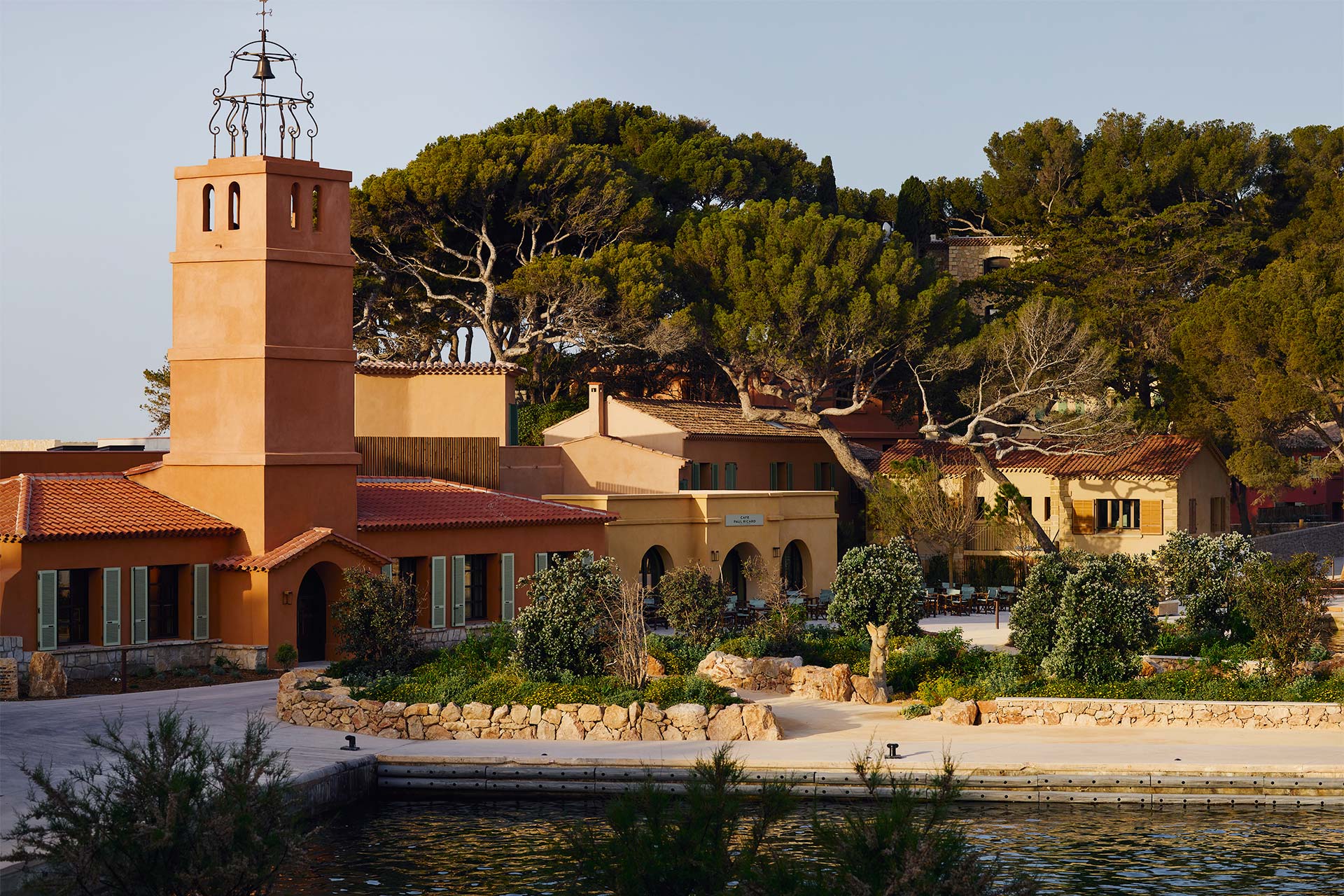
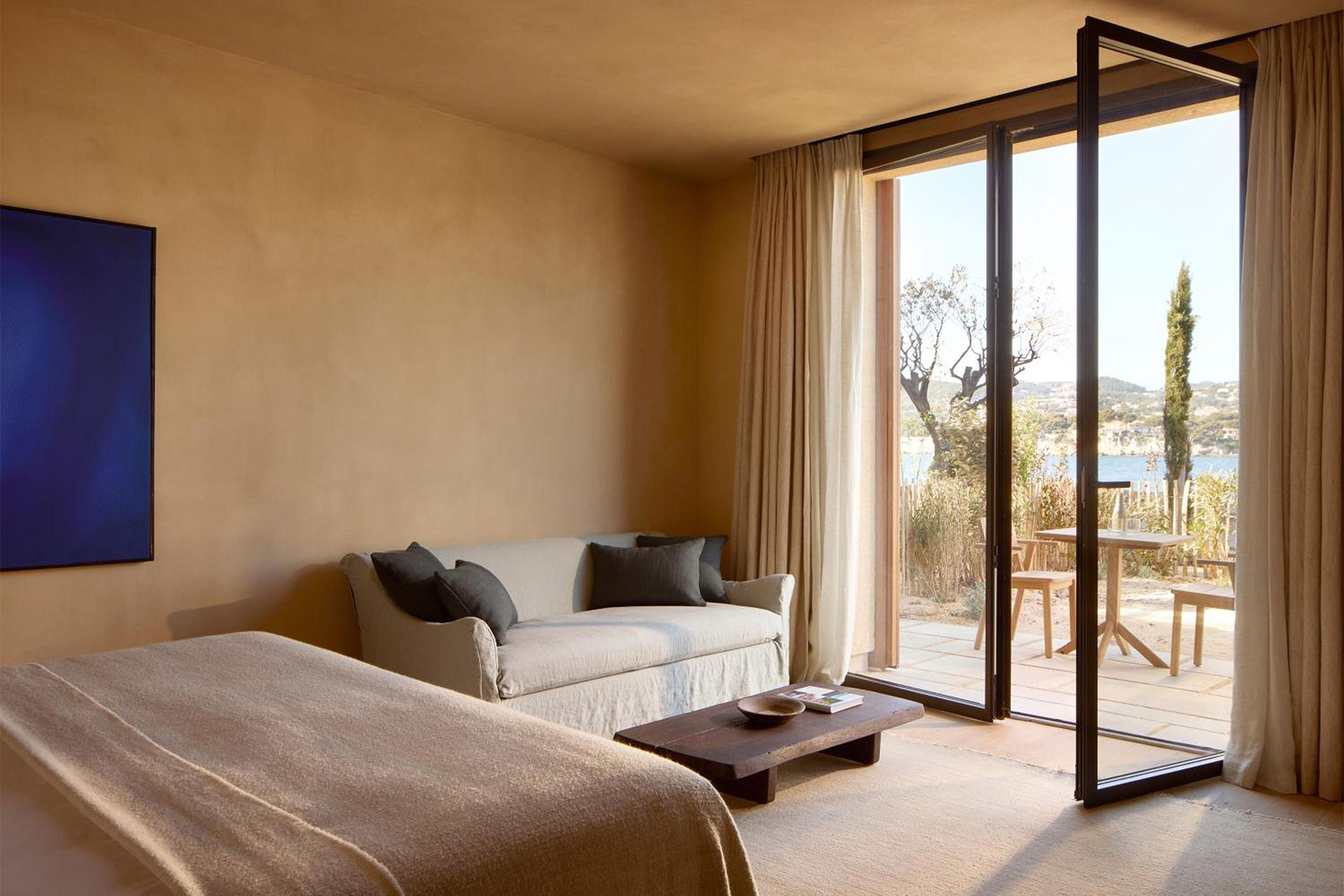
Paul Ricard, the pastis magnate, bought this small island off Bandol in 1950 and spent decades turning it into a private world of art, sailing, and Mediterranean good living. Three generations later, his great-grandson partnered with the luxury hotelier Arnaud Zannier to spend five years rebuilding it, reopening in 2026 across three distinct zones. Delos recalls the modernist influence on the mid-century Côte d’Azur, Soukana takes a pared-down back-to-nature approach, and Madrague is a small village of ultra-luxe fishermen’s-style houses.
A 1,200-square-meter spa, four restaurants, four bars, and a Village des Artisans are spread across grounds that have been rewilded with native planting and 15 percent more greenery than before. Mr. Ricard would no doubt raise a glass to the island’s new incarnation.