

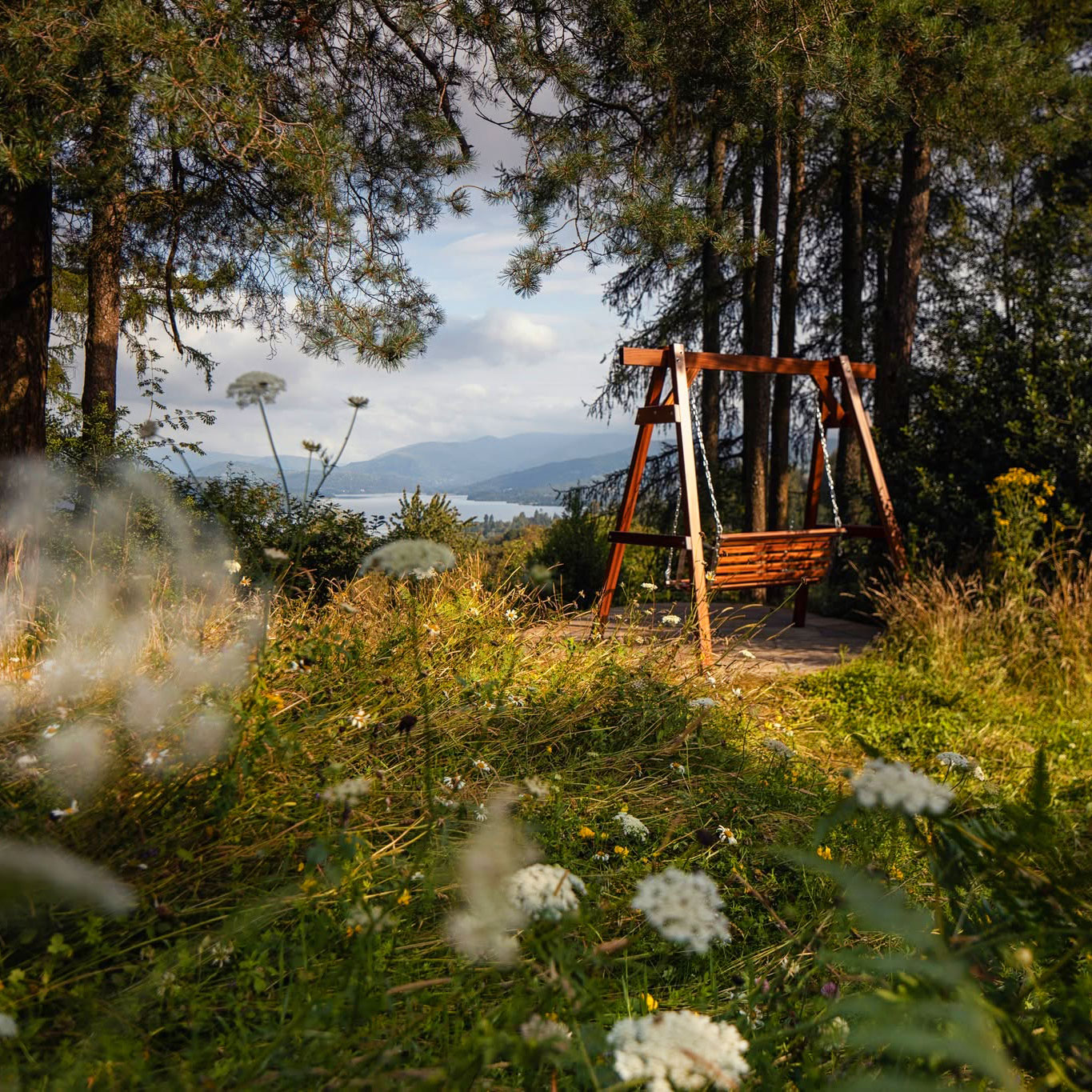
From Wordsworth to Potter to Swift, writers have long retreated to England’s pastoral Lake District to find inspiration from its craggy grandeur, its infinite coziness, and its charming hotels.

By Daniel Hughes
Tablet Contributor
Find the best boutique hotels in The Lake District on Tablet Hotels.
A mere 45 miles or so from the synthetic neon sprawl of Blackpool, England sits the Lake District, the U.K.’s second largest national park, a moss and mountain covered natural wonder that has inspired writers and poets for centuries.
Known affectionately as Lakeland, ironically, it’s perhaps better known for its fells, or mountains, than its lakes, of which there is technically only one, Bassenthwaite Lake. There are many bodies of water, though, and to the delight of the wordsmiths who’ve long walked this land, there is a thesaurus worth of local terminology to describe them. There are meres, which are shallow lakes; tarns, which are small glacial lakes; and waters, which are just regular lake lakes. There are also pools and pots, left behind by flowing waterways with monikers like brooks, becks, forces, and ghylls.
With so much nature and so many ways to write about it, it’s no surprise that poets have gravitated to this corner of Cumbria — most notably the Lake Poets, a group of English Romantic writers in the 19th-century that included boldface names like William Wordsworth, Robert Southey, and Samuel Taylor Coleridge. They came to Lakeland with nature as their muse.
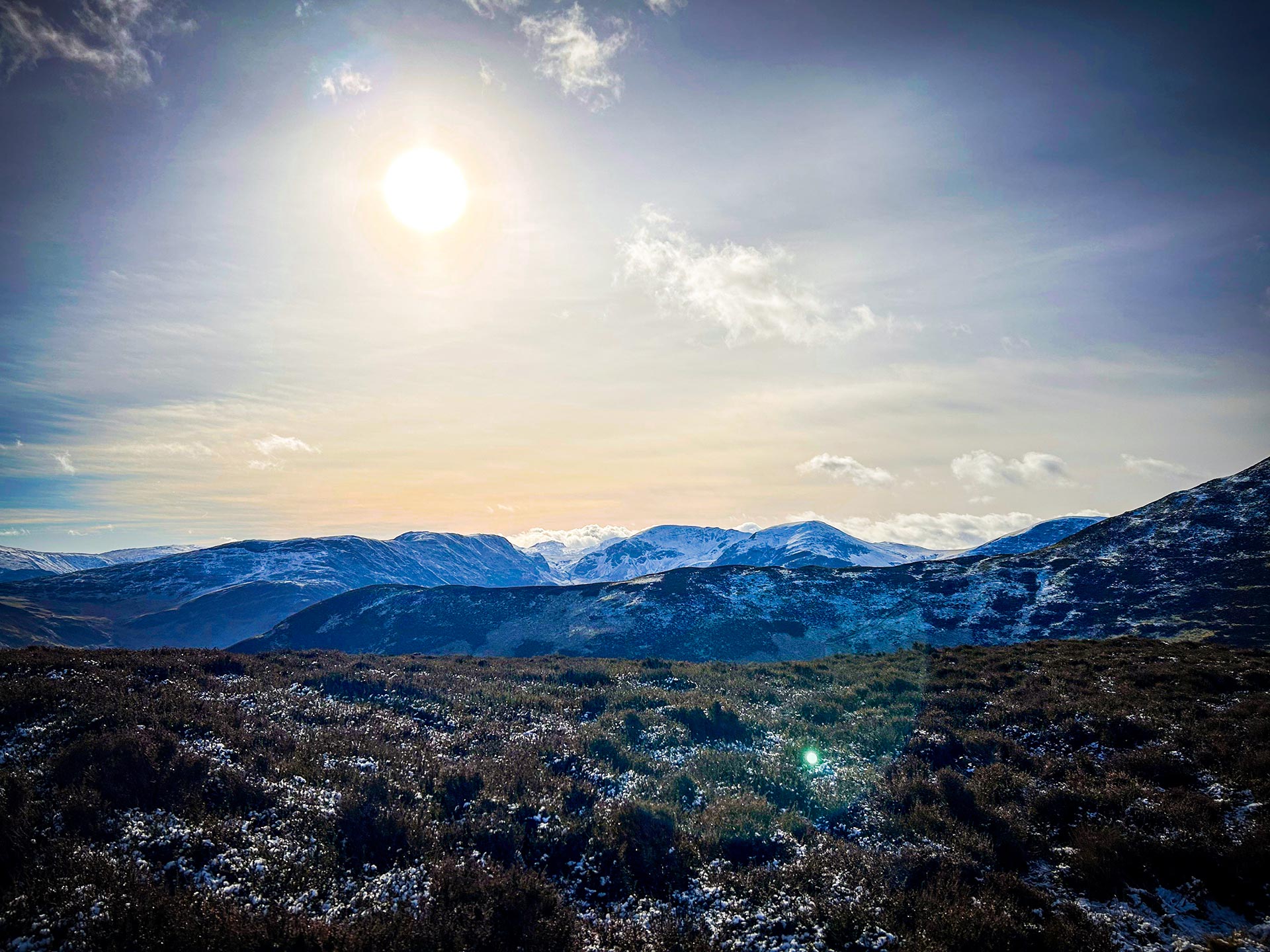
In one of his most celebrated poems, “I Wandered Lonely as a Cloud,” Wordsworth describes happening upon a field of daffodils during a moody walk along Ullswater, the district’s second biggest lake. It begins:
I wandered lonely as a cloud
That floats on high o’er vales and hills,
When all at once I saw a crowd,
A host of golden daffodils;
Beside the lake, beneath the trees,
Fluttering and dancing in the breeze.
Walking the perimeter of Ullswater in his footsteps (a.k.a. The Ullswater Way) is a 20-mile labor of love, but worth every step. The path twists and turns around the lake’s snake-like shape, taking you up and down through forests and fields and villages of extraordinary quaintness. If the full loop proves too challenging, cut corners via the Ullswater Steamers, a collection of restored heritage boats that ferry passengers across the lake.
The mountains of the Lake District are called fells, and it’s among them that you’ll find Scafell Pike, the highest point in England, as well as barren, rocky peaks that’ll have you feeling as if you’re in the foothills of the Alps. As you catch the smell of a fire from the chimney of a limewashed stone house, or pass by a flock of hefted sheep, you begin to understand the craggy grandeur and infinite coziness that continues to draw famous writers. None other than Taylor Swift immortalized the district with a song called “The Lakes” from her album Folklore, explaining in her way: “Those Windermere peaks look like a perfect place to cry.”
Famous as Swift is, the most notable and prolific resident of Lakeland was Peter Rabbit creator Beatrix Potter. If you’ve ever skimmed through the author’s books, you’ll have been immersed in the region. Her love affair with the Lake District began was when she was 16, while staying at Wray Castle, and grew during family holidays on the shores of Derwentwater, which inspired her Tale of Squirrel Nutkin from 1903. Using money earned from the publication of her most lasting work, The Tale of Peter Rabbit, she’d buy Hill Top farm in the heart of the Lakes. This sanctuary and its surroundings became fixtures in many of her future books.
Across lake Windermere from Hill Top is the town of Bowness and The World of Beatrix Potter, a wonderful and well-appointed museum dedicated to the writer and her characters. From there, it’s a short way north to Ambleside, another nook of the Lakes that’s long been winning the hearts of local poets. Today, its cobble-set streets wind past indie boutiques, artisanal eateries, and modernized trad pubs that brim with jolly vibes. From the town you can pick up majestic trails and fell walks, including a gentle wind to High Sweden Bridge and a strenuous hike up to Wansfell Pike Summit.
After all that scrambling, you’ll have a view straight down the center of the narrow lake. Spare a few moments to stand at the summit. Look out on the shimmering waters of Windermere and the rolling fells beyond. Feel the undeniable epicness of the Lakeland landscape. Understand why countless writers have attempted to harness its magic in their work.
Then, book your stay at one of the superb hotels below. Or view our entire selection of Lake District hotels.
Brimstone Hotel
Ambleside, UK
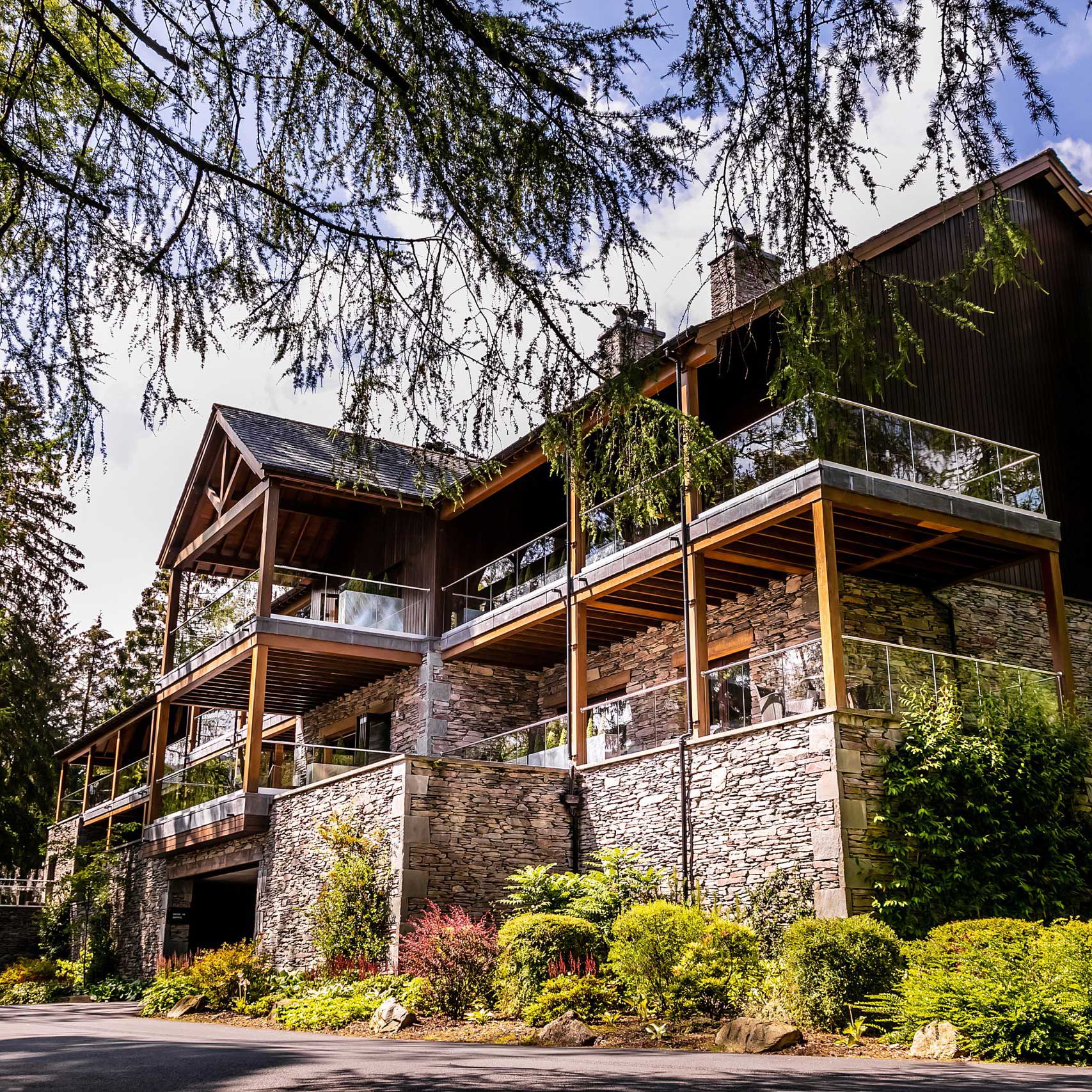
Though it is in fact a house in the country, Brimstone is not at all a typical country-house hotel. Here the style of hospitality owes more to luxury boutique hotels and to owner-operated guest houses than it does to the classic country mansions of aristocratic origin. Here, rather than butlers or footmen, your “hosts” can facilitate anything from a fresh towel to a Lake District climbing expedition.
Another Place, The Lake
Penrith, UK
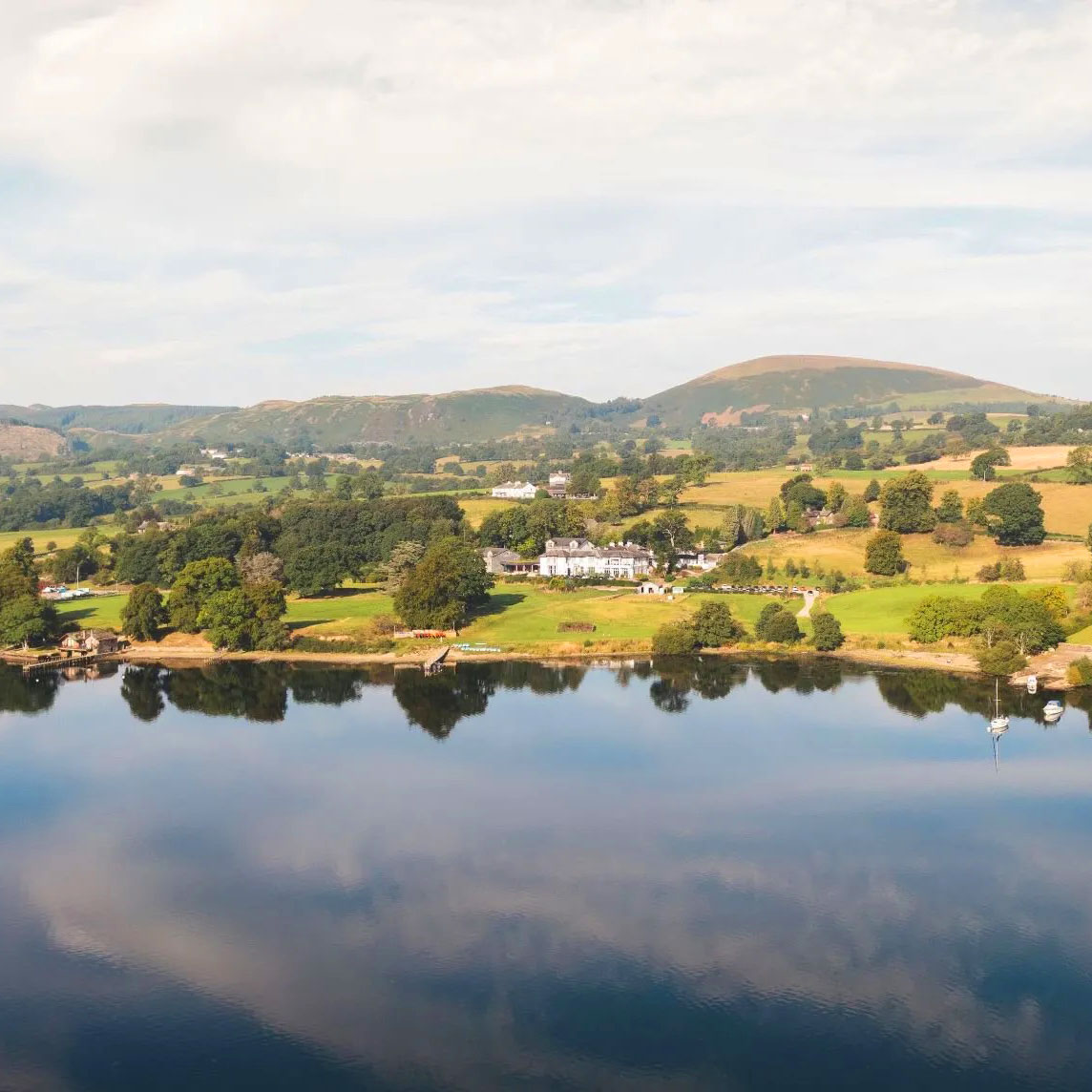
It’s apparent just from the name that Another Place, The Lake is aiming for something a bit different. It’s a massive renovation of an existing hotel, set right on the shores of Ullswater, but beyond that it’s as different as can be from the rest of the Lake District’s hotels: this is a wellness-focused, activity-oriented, dare we say youthful hotel, the likes of which the region has not yet seen.
Forest Side Hotel
Grasmere, UK
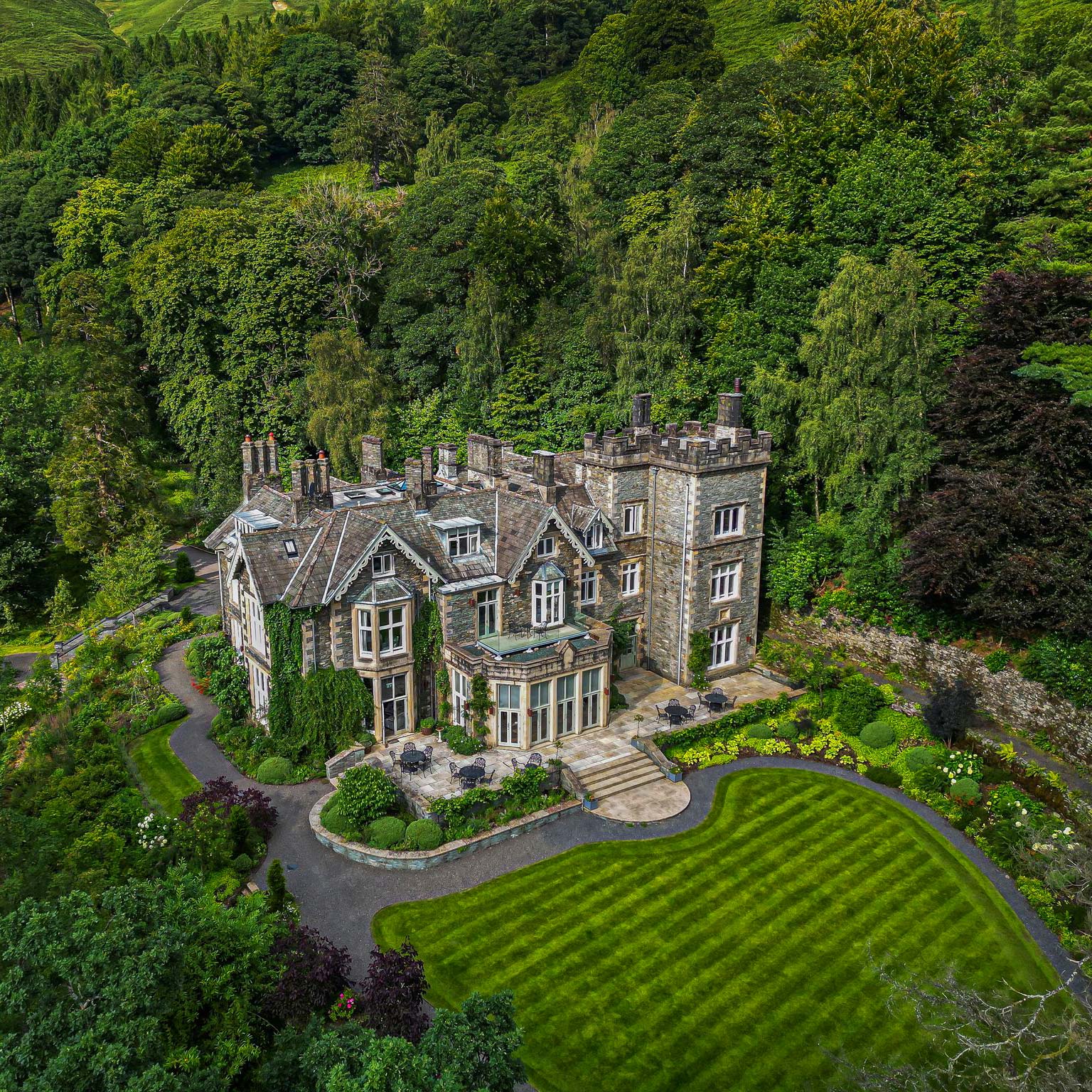
The picturesque Lake District village of Grasmere is the setting for the Forest Side Hotel, a Victorian Gothic mansion surrounded by 43 acres of woodland and gardens. For many guests the main attraction is the Forest Side restaurant, which has earned a MICHELIN Star under the direction of chef Paul Leonard. But the rooms are no afterthought.
Linthwaite House Hotel
Windermere, UK
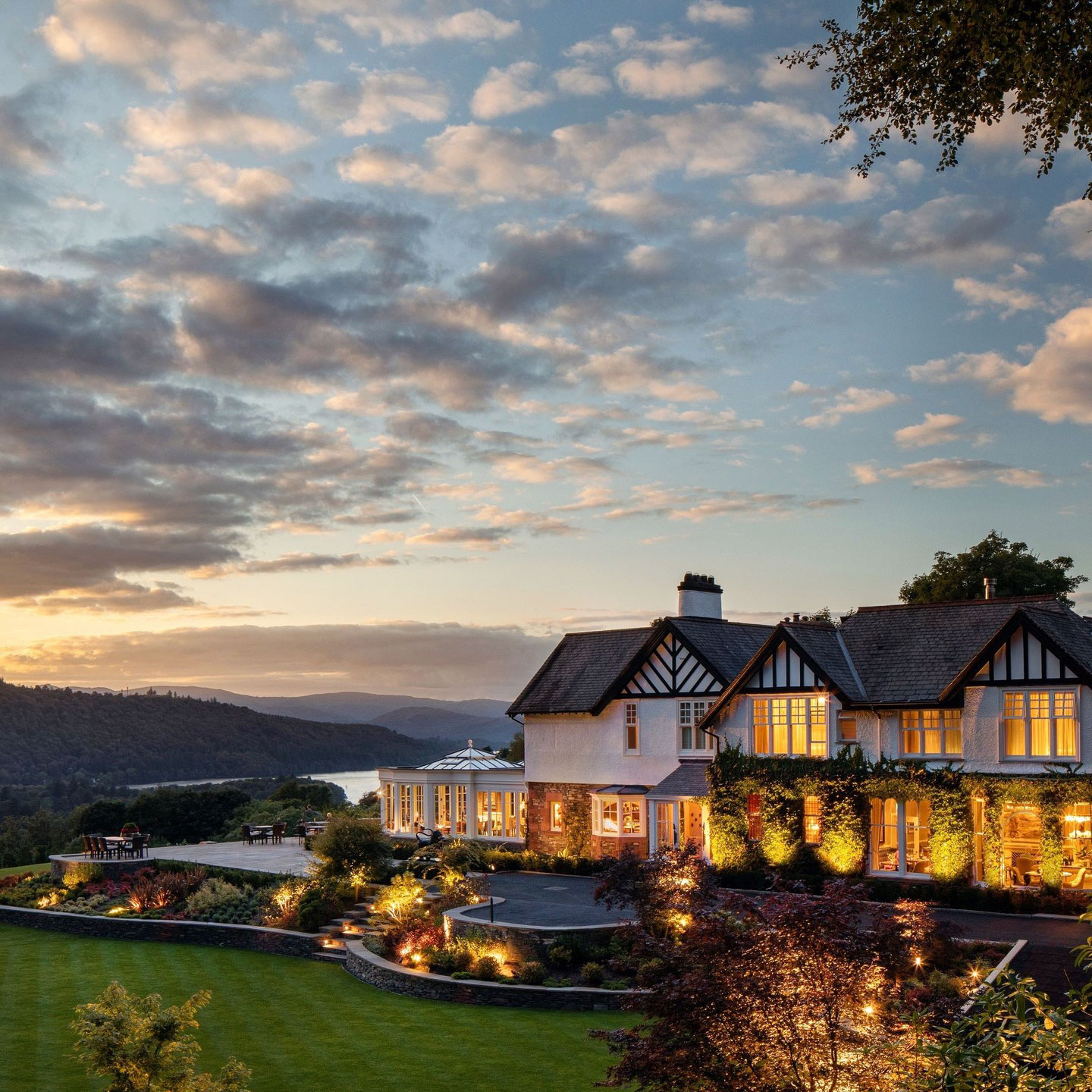
There are few Lake District hotels that can compete on the level of Linthwaite House. Take a setting as striking as any (in this case an Edwardian manor house surrounded by fourteen acres of woodlands and gardens, looking out over the picturesque Lake Windermere), add the kind of style credentials many a city hotel would kill for, and what you’ve got is something special indeed.
Rothay Manor
Ambleside, UK
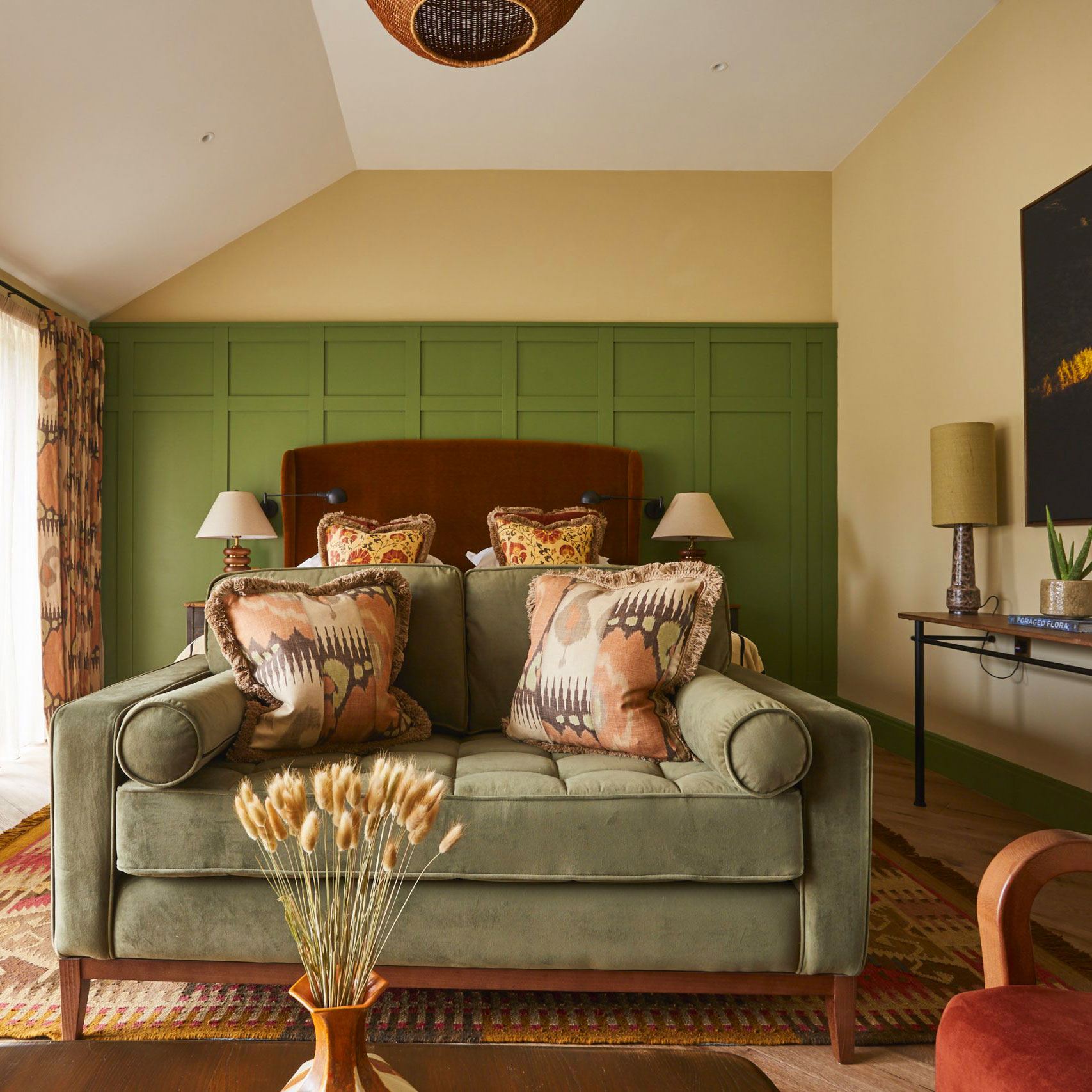
Ambleside, on the north end of Lake Windermere, is the setting for Rothay Manor, a Regency-era country house that’s been tastefully updated for the boutique-hotel era, retaining the period character that makes it distinctive while modernizing its facilities and comforts. Of particular note is the restaurant, which offers refined British dishes underpinned by classic techniques.
Farlam Hall Hotel & Restaurant
Brampton, UK
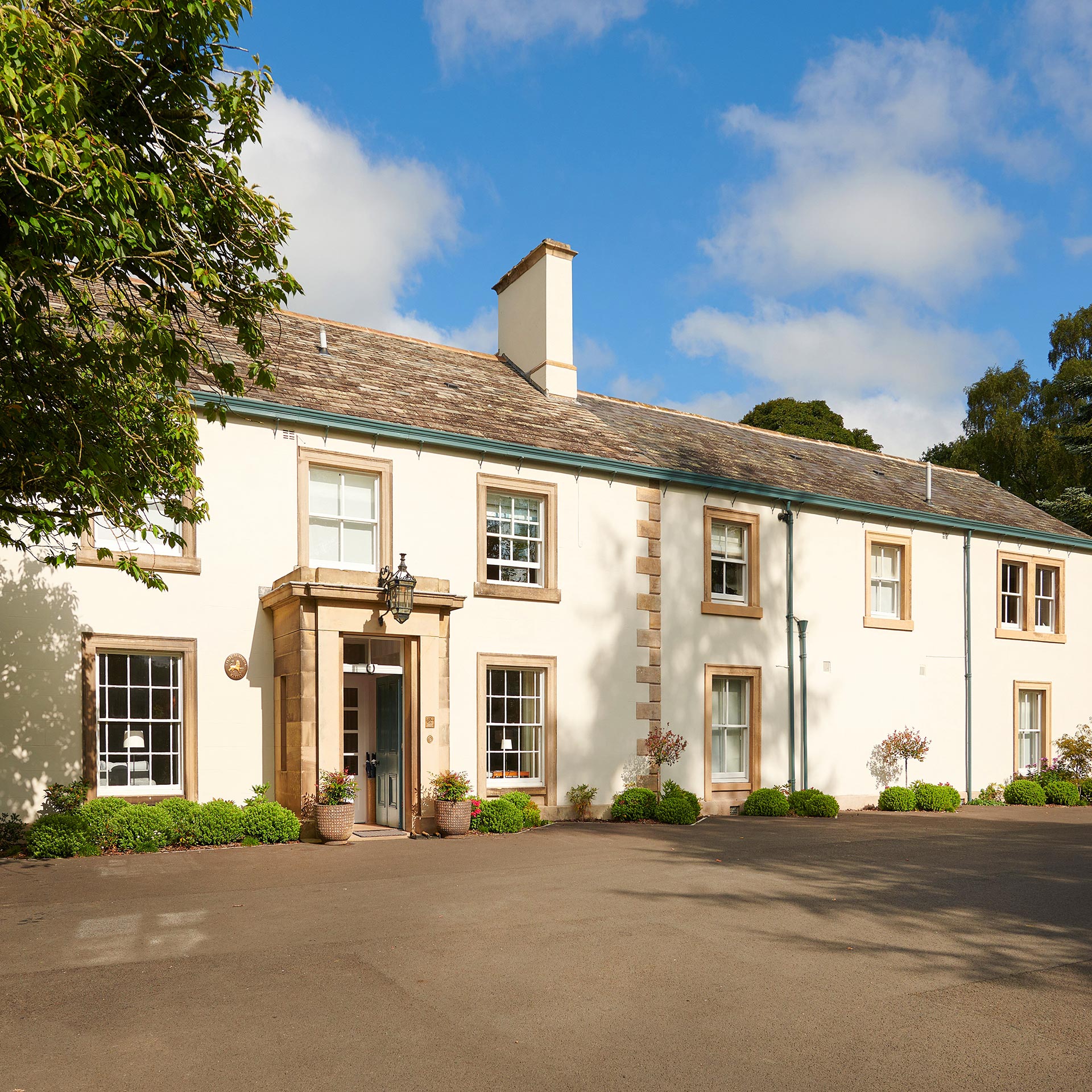
Farlam Hall is a historical house-turned-hotel whose understated elegance is accentuated by a tastefully applied infusion of contemporary design and modern art. The rooms and suites are divided between the main house and the old stables; both combine classic-style furnishings with minimalist modern colors, and feel true to the house’s history without reproducing a specific era.
The Samling Hotel
Ambleside, UK
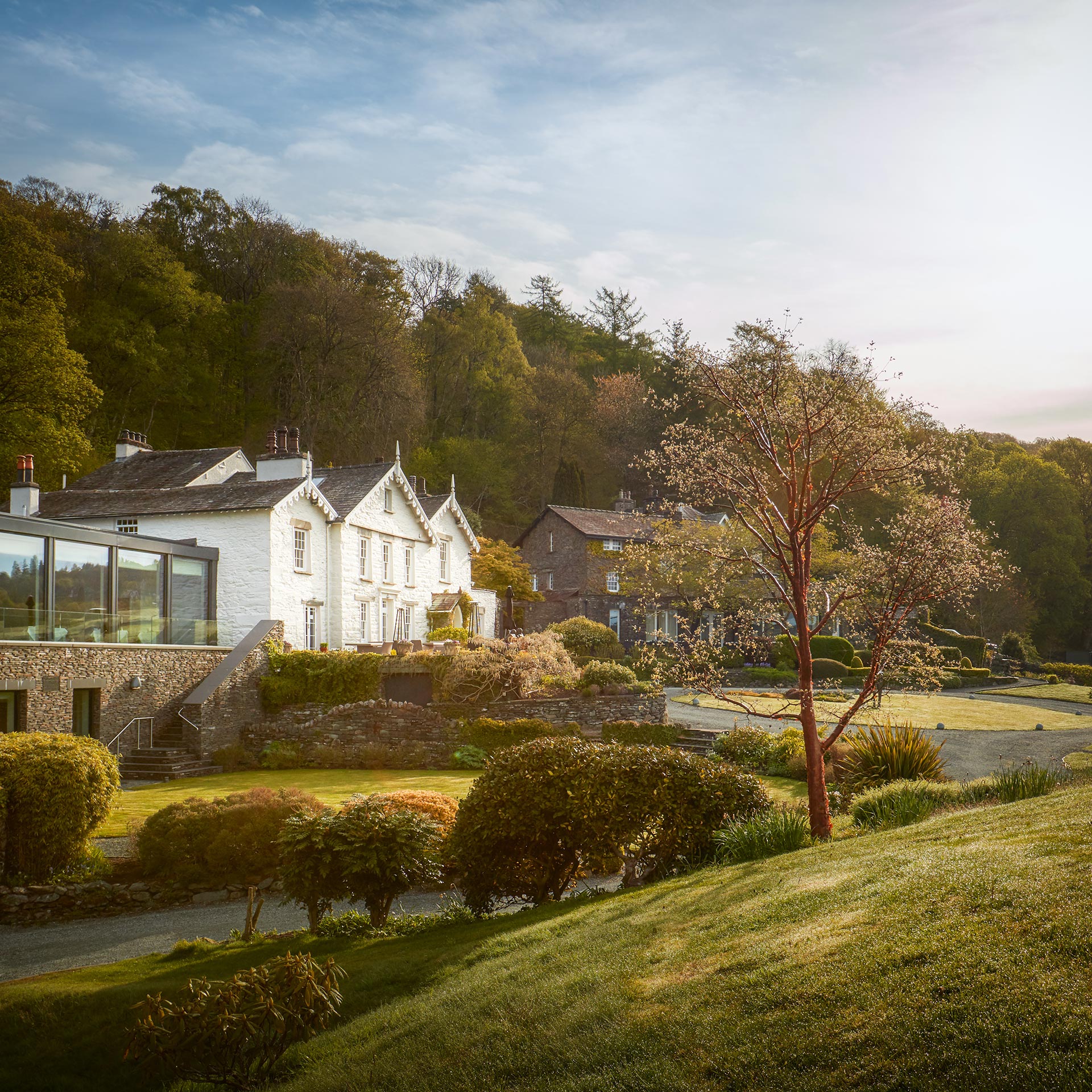
The Samling is an 18th-century house that’s entering a new phase of life as an intimate 12-room boutique hotel. Here “intimate” isn’t an exaggeration. It’s a small enough house that it can be booked in its entirety for larger parties, and even when it’s operating as a normal hotel it’s smaller and less fussy than the ordinary country-house hotel.
Gilpin Hotel & Lake House
Windermere, UK
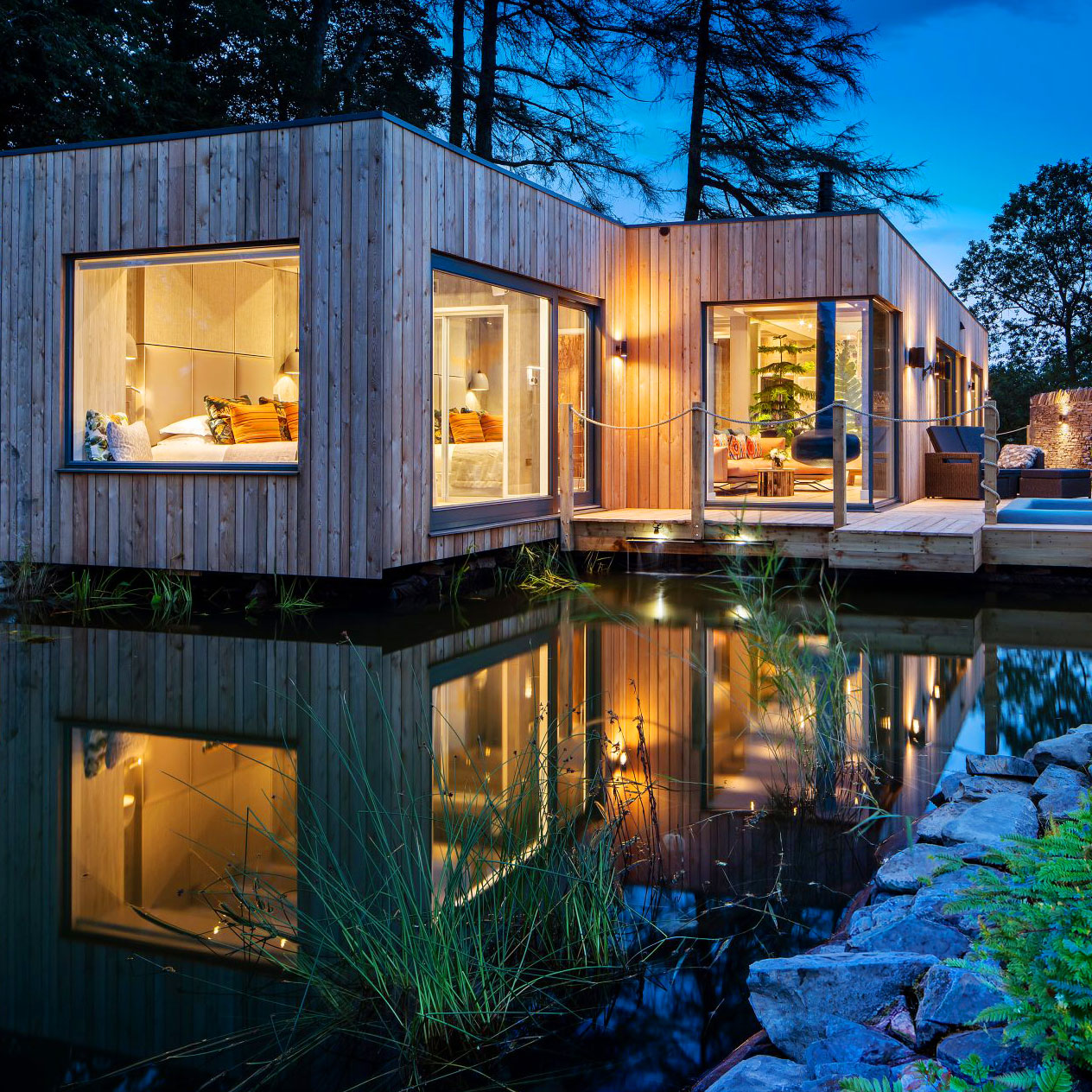
Gilpin Hotel & Lake House is a classic. As its name suggests, it’s in a sense two hotels in one. The Gilpin Hotel is the original house, surrounded by modern lodges clad in natural wood and stone, while the more intimate six-bedroom Lake House is set on its own 100-acre estate, about a mile away. They’re linked by an on-demand shuttle service.