
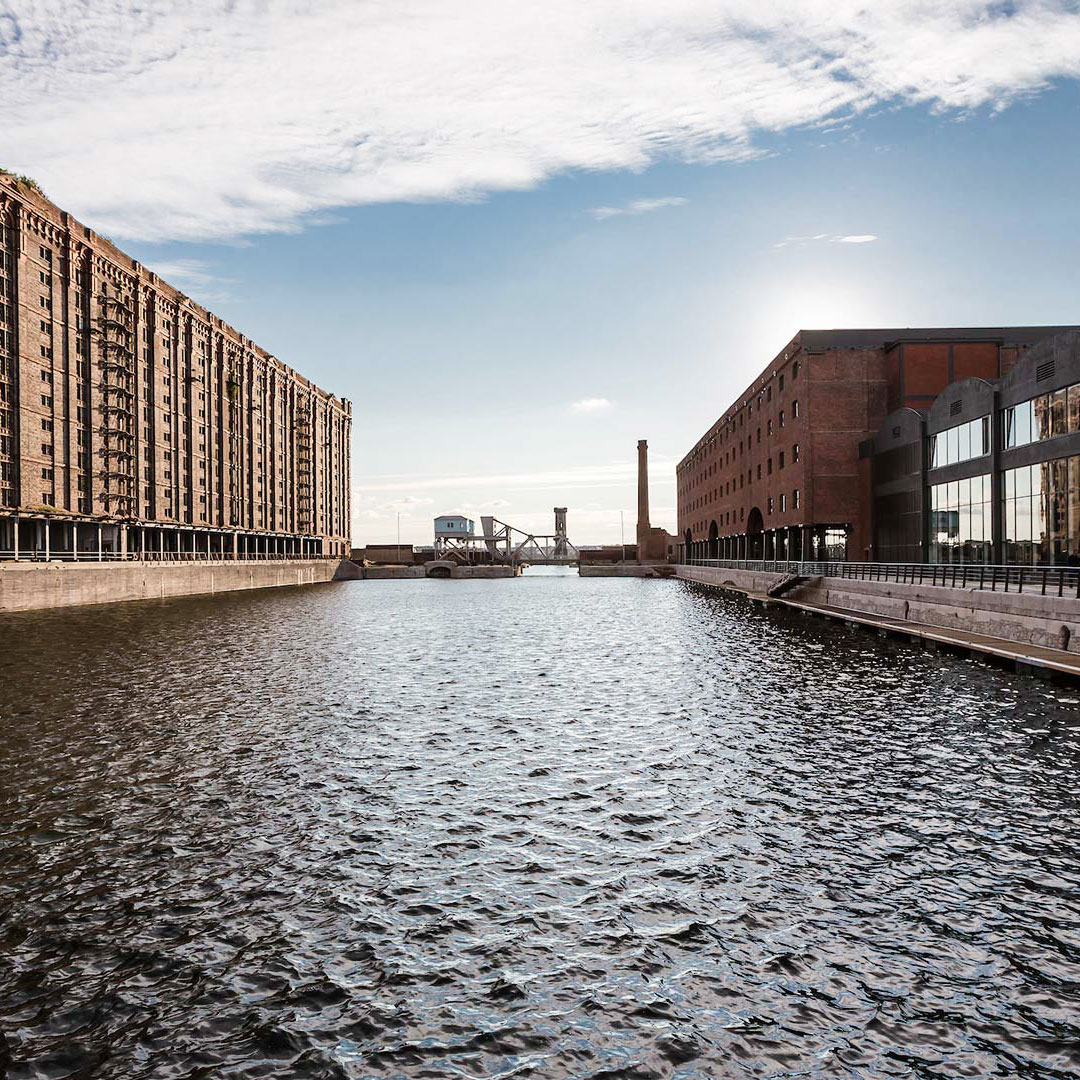
From the Beatles to Black Sabbath to the Wild Bunch, we look at bands that made England a leader of euphonious exports, and learn the stories of the local scenes they came from. And hotels!

By Daniel Hughes
Fireplace Contributor
Explore the world’s best boutique hotels on Tablet Hotels.
The list of British bands in the story you’re about to read does not include Radiohead, or Led Zeppelin, or Pink Floyd, or even the Rolling Stones. And yet, you’ll find it to be filled with groundbreaking musicians and household names. How did such a geographically small country produce so much iconic music in the late 20th and early 21st centuries?
There are a number of leading theories: public support of art education, a vibrant and melodious club and pub culture, and its size, which made touring and standing out easier than in a place as big as the United States. Equally as important as all of those factors might have been a thing called skiffle.
Skiffle was a primitive version of rock and roll, inspired by traditional American genres like folk, blues, and country. It was relatively simple to learn and it was largely DIY (instruments were very often homemade, making it a more realistic endeavor for the working class). While American teens were dreaming of becoming the next Elvis, British teens in the 1950s were already playing in skiffle bands.
One of those bands, from Liverpool, went on to become the most famous and influential of all time, breaking big in the U.S. when there were only a handful of truly popular American rock and roll acts to compete with. And even then, those were mainly singing groups like the Beach Boys.
The UK’s musical heritage extends beyond rock and roll, and includes Drum and Bass, Trip Hop, Heavy Metal, and Glam, among others. Some of those are represented below, where we look at the stories behind the bands and legendary local scenes from five of England’s most musical cities, along with links to their best luxury and boutique hotels.
Bristol
TRIP-HOP:
The Wild Bunch / Massive Attack / Portishead
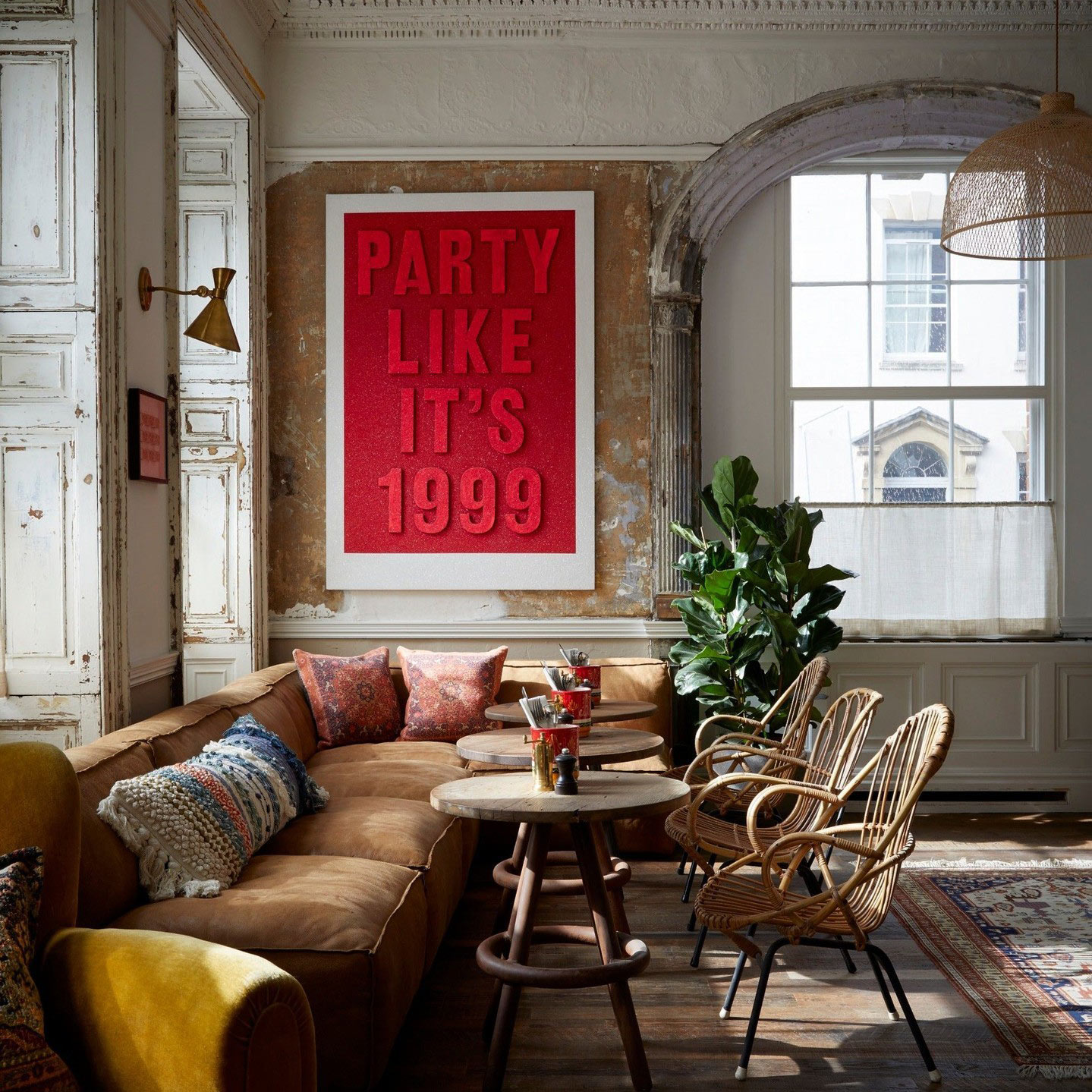
A thriving port city surrounded by agricultural farmland as far as the eye can see, Bristol stands out like a psychedelic sore thumb. It’s a place where cultures collide, then blend.
Many of the post World War II “Windrush” generation settled in Bristol, giving the city rich Afro-Carribean influences that went onto define its music scene. During the 70s, dub sound system and reggae rang through the city, which caught the attention of legendary music collective, The Wild Bunch.
This free-thinking crew blended genres, including reggae, dub, punk, funk, soul, and hip hop to pioneer the Bristol Sound, a style that later transformed into Trip Hop. Wild Bunch member Adrian Thaw, a.k.a. Tricky went on to form Massive Attack and put Bristol firmly on the map with the groundsmashing Trip Hop masterpiece, Blue Lines.
From there, a wave of genre blending bands including Portishead pushed the sound forward, alongside the city’s dub-influenced drum-and-bass scene pioneered by the likes of Goldie and Roni Size.
While connected to the wider world through its port, Bristol feels geographically detached from other major UK hubs like London. As such, Bristol’s creatives have carved out their own artistic direction and chosen unity, and in that unity, they’re free to fully express themselves.
Now bands like IDLES continue to smash down musical barriers, fueled by the sheer creative energy Bristol supplies by the speakerload, keeping its arts scene alive.
Manchester
MADCHESTER:
Joy Division / Stone Roses / Oasis
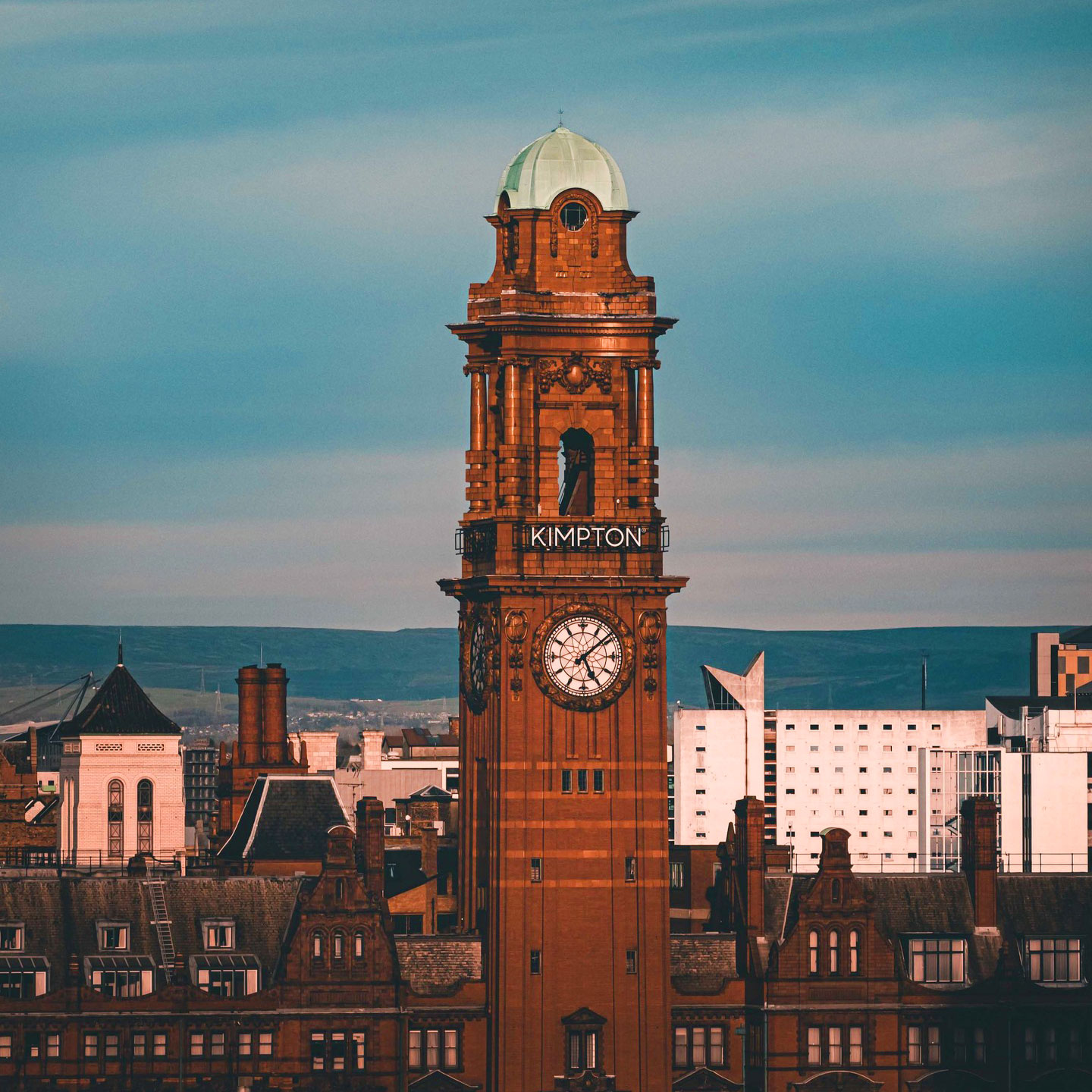
In 1976, The Sex Pistols took a jaunt up the country to play a gig at Lesser Fee Hall in Manchester. Not many people turned up, but some of those who did became Manchester’s most iconic future musical talent, including a certain Peter Hook.
Hook was so intoxicated by what he’s heard and witnessed that night, he borrowed £35 from his mum to buy his first bass guitar the next day. A short time after, he formed a band named Warsaw, which went on to become Joy Division.
Led by a stoic Ian Curtis, Joy Division took the defiance of punk and harnessed the city’s post-industrial red bricked slum clearance remnants and monolithic high rise blocks to move in a more experimental direction.
The band made hard yet hypnotic and urgent arrangements that are impossible to ignore, punctuated by the experimental genius of Martin Hannett, producer of the band’s seminal album, Unknown Pleasures.
Joy Division were also famously signed to former Granada TV presenter Tony Wilson’s Factory Records (folklore has it that the contract was signed in blood). More than a music-making machine, Factory Records was a cultural sanctuary that created opportunities for droves of subversive Mancunian talent.
During its short, chaotic spell, Factory Records launched the careers of The Happy Mondays, A Certain Ratio, and the Durutti Column. These swaggering local icons used everyday commentary and groove-soaked hedonism as a way of escaping the city’s post-industrial blues and finding a reason to get up and get together.
These bands loosely formed what was later coined Madchester, or the “baggy” scene, along with The Stone Roses, who went on to inspire countless homegrown names, including The Charlatans, Oasis (who were also hugely influenced by The Beatles), and more recently, Blossoms.
It’s worth noting that Blossoms also owe aspects of their sound to The Smiths, who moved against the grain of the Factory Records aesthetic but were an equally essential part of Manchester’s musical heritage.
Today’s Manchester may be more vibrant than it once was, but it still wears its post-industrial roots with pride. Walk around the city centre, navigate its winding tram system, grab a jar in a back-alley bar, and you can feel the city’s pulsating rhythm. Long live the city of swagger.
Birmingham
METAL:
Black Sabbath / Judas Priest / Napalm Death
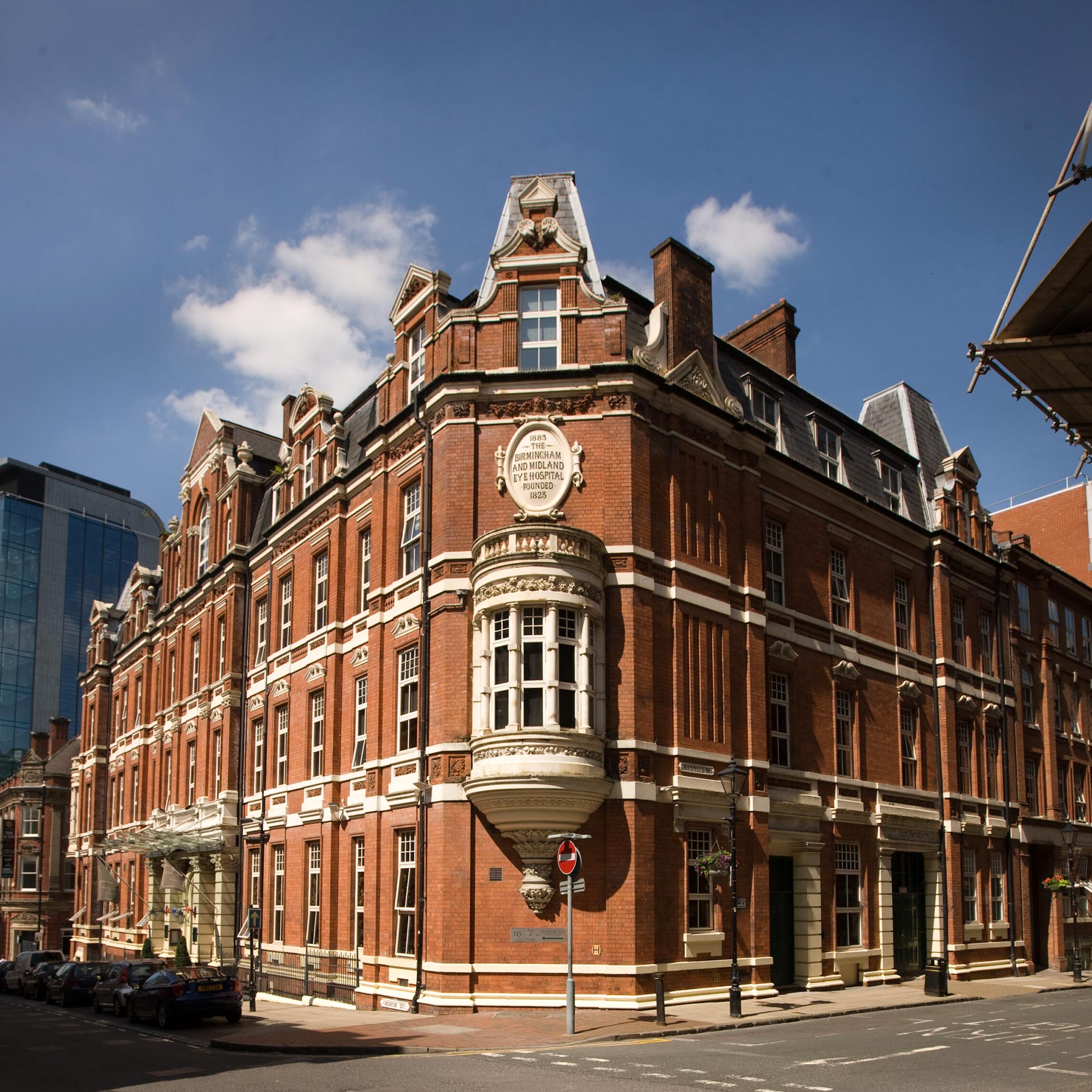
In 1965, a young aspiring guitarist worked in a sheet metal factory in Birmingham, UK, then known as “The City of a Thousand Trades,” when he lost the tips of his right ring and middle fingers.
Medical professionals said he’d never play guitar again, but that didn’t stop him. Inspired by the records of iconic jazz guitarist Django Reinhardt, who lost two of his fingers in a fire, Tony adapted his playing style. He fabricated his sound with sustained, menacing power chords and dark minor riffs, demonically punctuated by a slightly down-tuned guitar.
Tony Iommi’s sound was forged from adaptation and determination, but it was also undoubtedly inspired by the city landscape around him. A city where automotive factories, sheet metal workshops, and engineering plants began popping up like weeds through cracked concrete.
It was a tough place filled with the sound of hot grinding metal and hefty combustion engines. So it’s not surprising that Birmingham is widely known as the birthplace of heavy metal (or proto-metal, to be more accurate).
After establishing his sound, Tony teamed up with a mix of bands, including a brief spell in Jethro Tull, before forming Black Sabbath: four working-class lads with an industrial-scale desire to expel their frustrated energy, who took their musical abilities and harnessed their city’s sonic backdrop to literally rock the world.
Sabbath created a genre far bigger than themselves, an epidemic of demonic chord changes and sinful distortion that spread across the globe. But it was forged in Birmingham and inspired many other influential local metal bands, including Judas Priest and Napalm Death.
Birmingham remains a city of industry, but these days it’s more vibrant than ever, with a thriving multicultural community and grassroots venues that celebrate its firm metallic roots and support the city’s ongoing sonic innovation. Rock on, Birmingham, rock on.
London
PUNK & POLITICS:
Sex Pistols / The Clash / Bob Vylan
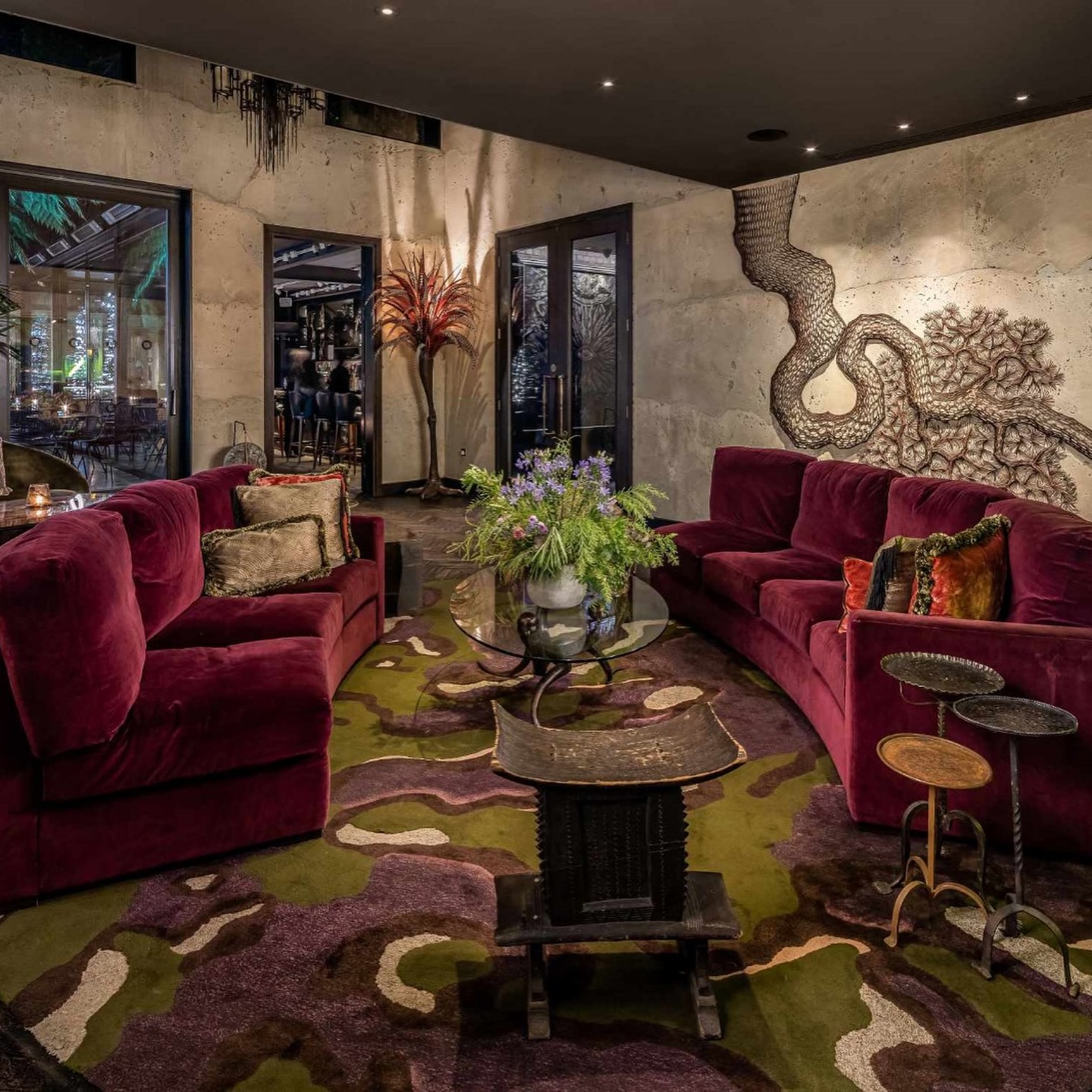
London is and always has been a place of cultural collision and jarring juxtaposition. Its blended tapestry of cultures has pushed The Capital to the forefront of many influential musical movements, none more notably defiant than punk.
It was the mid-70s. Social tensions, rising unemployment, and racial conflict sparked widespread disillusionment, which morphed into anger. As the Sex Pistols’ John Lydon chants in his post-punk anthem with Public Image Limited, “Anger is an energy,” a line that sums up punk’s origins in one snappy sentence.
Speaking of John Lydon, or “Johnny Rotten” as he was then known, the Sex Pistols, along with The Clash and The Damned, took their brewing frustrations and poured them into music, snarling and screaming.
A far cry from the polished, more virtuoso-led softer rock bands of the time, the first wave of punks wore their loud, brash, DIY brand of guitar music as a bold-faced stick-two-fingers-up-to-the-establishment badge of honor. Loosely influenced by the New York punk bands that came a bit before them, the likes of The Clash and The Pistols documented what they saw, raw and unfiltered.
They sparked a movement of rebellion and self-expression that shook the city’s cultural foundations, shaped directly by the crumbling metropolis around them. They brewed up a sound that made youngsters feel like they could form a band from their bedroom and say something that means something.
It’s this very ethos and unfiltered observational lyricism that has echoed through the generations, directly influencing the likes of Bob Vylan and The Libertines, who even had The Clash’s Mick Jones produce their debut LP.
Today, it’s business as usual: sprawling mazes of social housing blocks frame the backdrops of well-kept Royal Parks; punks sit on bricked canal bridges as the scent of jerk chicken wafts beneath their noses, and Turkish shopkeepers jest with local Mosque-goers as the city buzzes around them from every direction. New sounds emerge, and the beat goes on.
Liverpool
MERSEYBEAT:
The Beatles / Gerry and the Pacemakers / The Coral
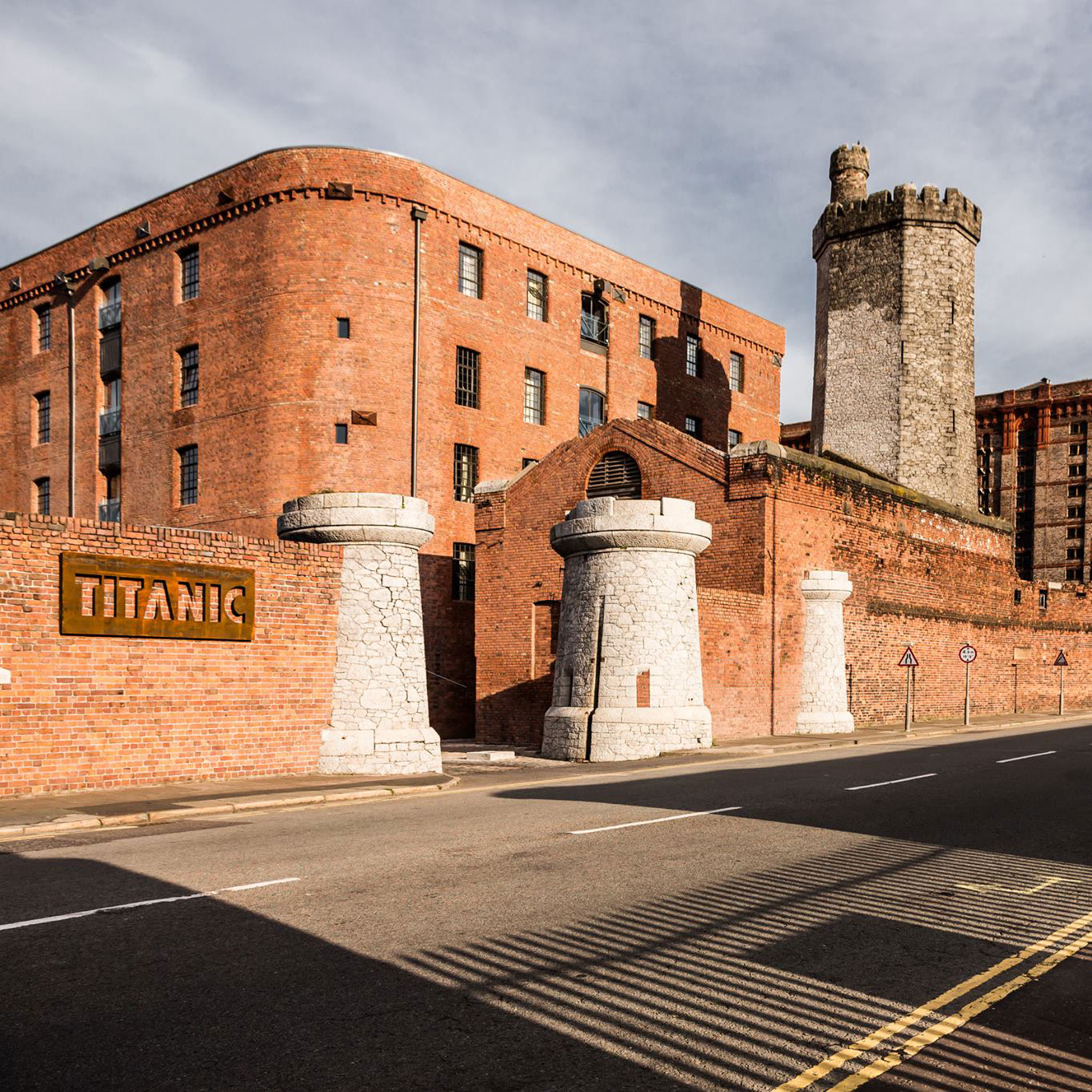
Liverpool’s widespread nautical connections made it a melodic melting pot for Merseybeat, a sound that has defined the city’s cultural status.
Floods of American records regularly arrived in the port city, mingling with the local skiffle craze, and leading somewhere no one could have predicted. These once far-flung American R&B, rock and roll, and soul arrangements were played loud and proud across Liverpool’s rising network of late-night dancehalls, including The Cavern Club.
Revved up by the sounds they’d cut carefree shapes to in the clubs, receptive creatives formed bands that would go on to create the Merseybeat sound: a harmonious hybrid of melodic pop, doo wop, soul, and rock.
The likes of Gerry and the Pacemakers, The Searchers, and a certain mop-topped band called The Beatles would tread the boards at The Cavern Club to increasingly crammed subterranean crowds.
Each strikingly different but equally soulful and devoted to meandering melodies, these bands supported and nurtured one another. They created a scene that stuck and eventually shot The Fab Four into almost deity-like stardom. The rest, as they say, is (rock and roll) history.
Head into the city centre, and it’s obvious just how present The Fab Four and Merseybeat still is today. The natives’ accents are warm and melodic, and when you stand by the Albert Dock, staring out at the ferries across the Mersey, you can almost literally hear the onshore breeze whistling.
Liverpool is so strong in its musicality that when you hear tracks from more recent local bands like Cast, The Coral, and The Zutons – you don’t have to question where they’re from. You just know.