
We went down to Valle de Guadalupe, Baja California’s booming wine region, to find out how they’re navigating the excruciatingly modern condition of popularity vs. accessibility.

By Yourgo Artsitas
Journalist, Documentarian, Roving Correspondent
PART ONE: “I want the opportunity to have those first eyes again.”
There are wine booms and there are wine booms. The wine boom in Mexico’s Valle de Guadalupe saw the region go from six wineries in 1999 to 150 by 2023. Then, in 2024, the Michelin Guide came to town. Boom, indeed. I decided to drive down from San Diego to see how everyone was handling it.
“What you’ve seen with your eyes when you first came into Valle — I want the opportunity to have those first eyes again.” That’s Ange Joy, founder of hotel Casa Olivea and its restaurant Olivea Farm To Table. She continued, “It would be really informative to know, with what I’m doing and what the next step is.”
What I saw on my virgin drive into “The Valle” were endless rows of fluttering grapevines. Dotted amongst them: gorgeous, state-of-the-art wineries, each springing up like an oasis of modernity dropped into rolling acres of traditional agricultural land. I was struck by how jarringly hip each of the vineyard entrance signs were. Sleek and minimalist designs that beckon you off the rural highway and into a contemporary wine world.
My expectations of Valle de Guadalupe were clear: some wines will rival those up north in Paso Robles and Napa, the prices should beat them both, and at every turn I’ll get a little twist of Mexican authenticity. But while the wine and restaurants are world class, the infrastructure hasn’t caught up. Roads are unpaved. The nearest hospital is 30ish minutes away in Ensenada. Water is limited and severe drought is more frequent. Authenticity is under threat.
So as I descend on the newly-minted Mexican wine country, each new winery looking more and more like a facsimile straight out of Napa, the community sits at a crossroads. Conform to the desires of well-off tourists who find comfort in opulence and 35-minute showers? Or maintain the accessible, laid-back charm of Valle, and let some of the recognition fade away?
Explore our picks for the best boutique hotels in Baja California.
PART TWO: “What we’re doing is not viral. We want to be classic.”
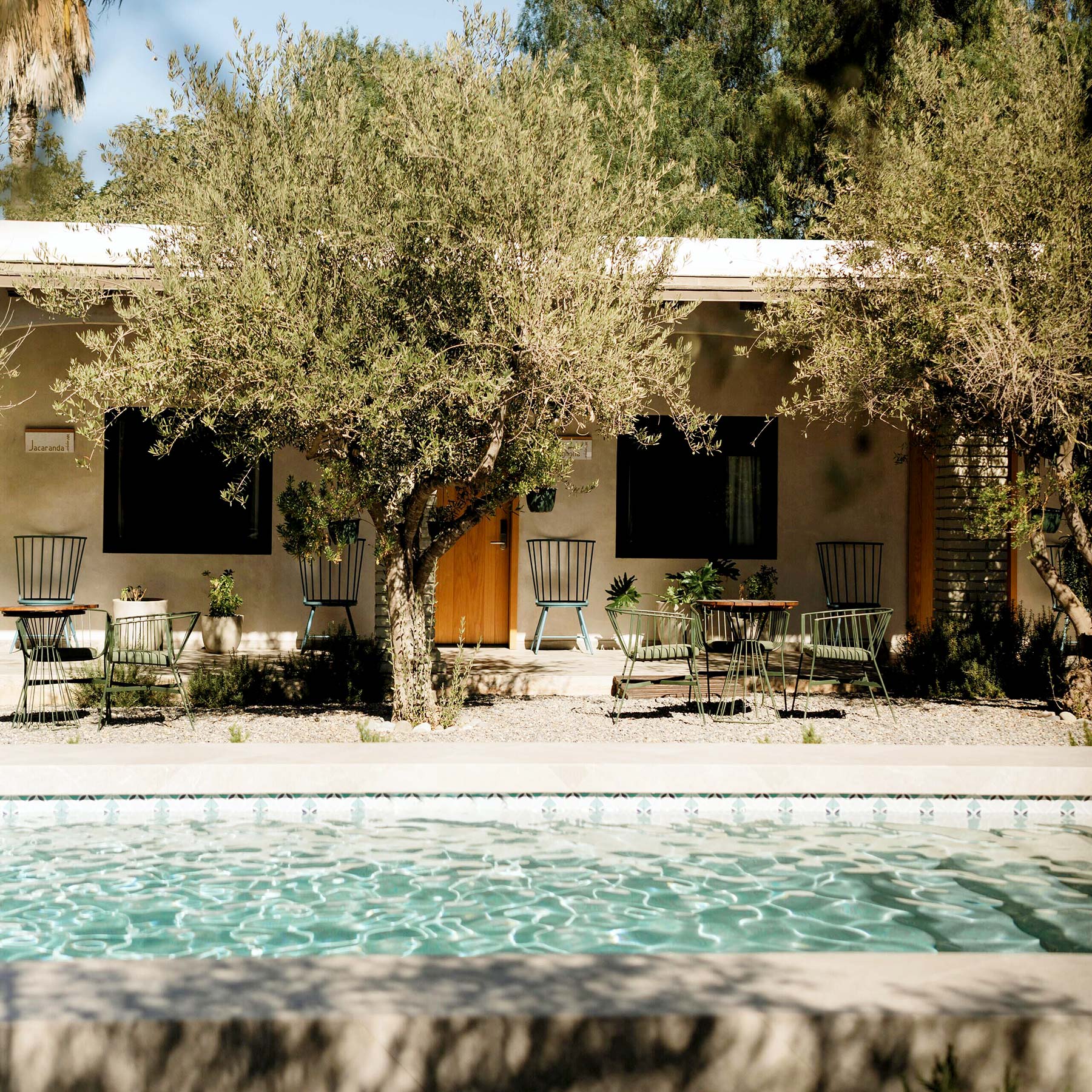
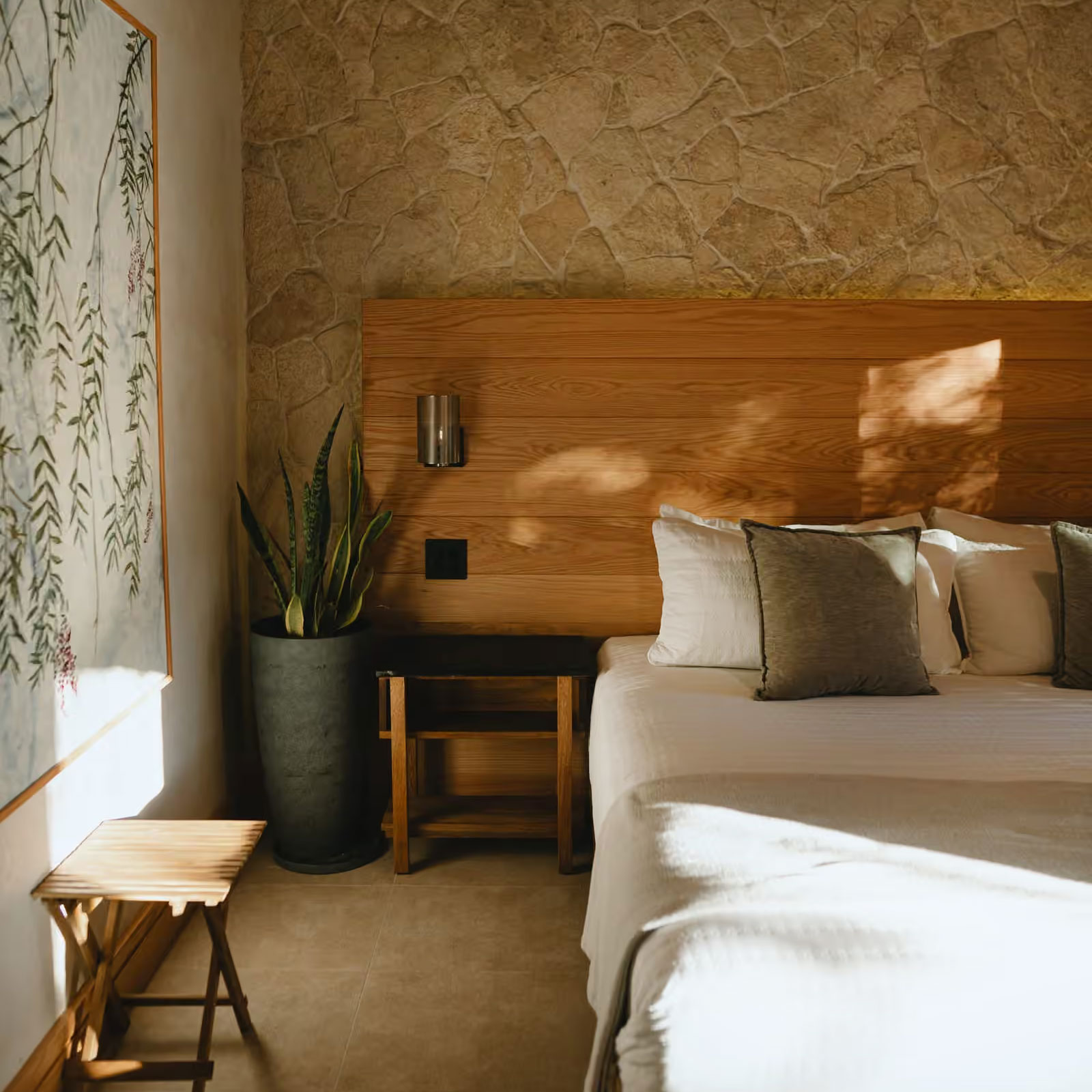
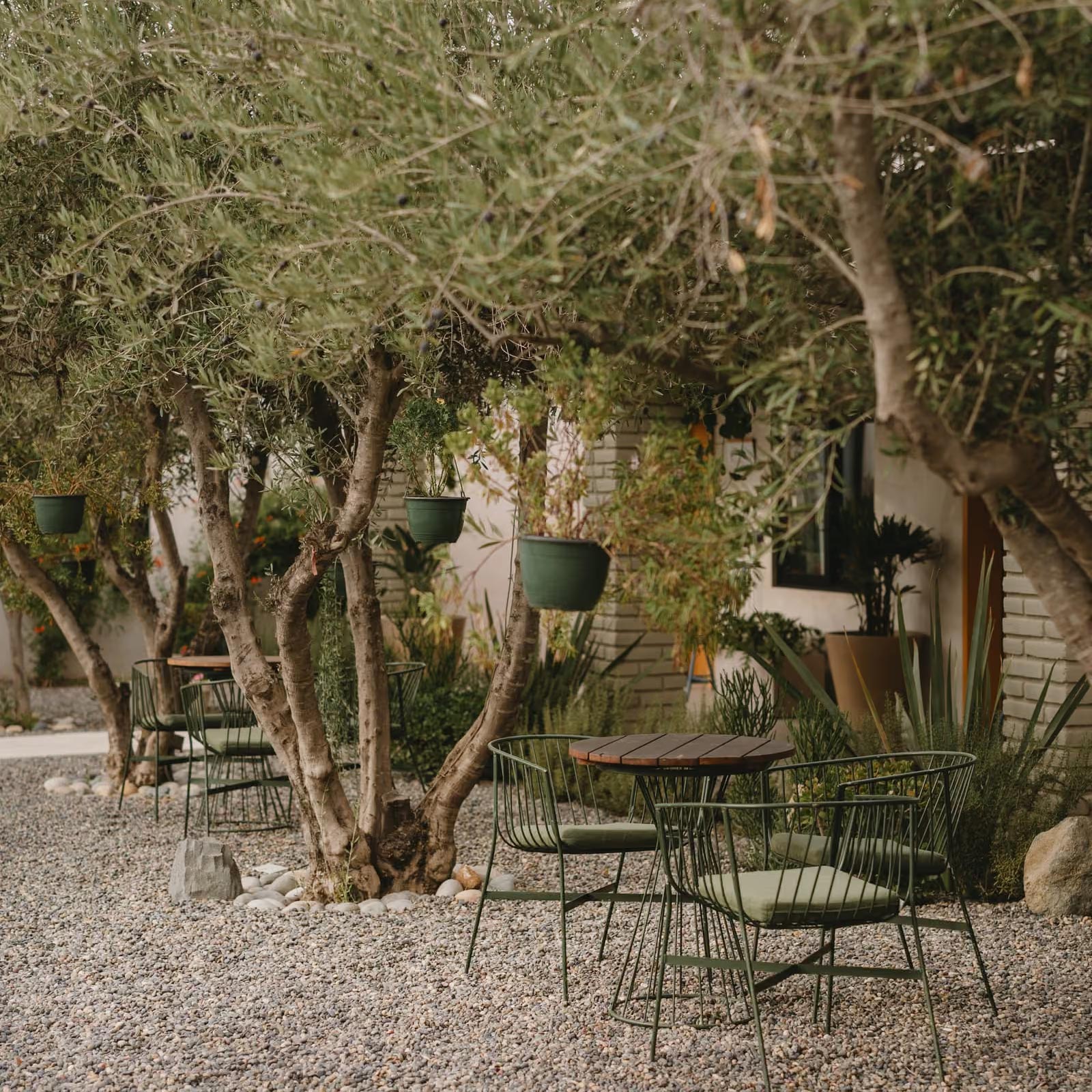
Ange Joy knows that most people coming to her hotel and Michelin Star restaurant won’t be doing it on a whim. Most will fly into Tijuana, followed by an 80-minute drive. So Casa Olivea welcomes its wayward travelers with tranquility and serenity. Concierges wear kimonos. Relaxing instrumentals play throughout the ground at the exact volume that isn’t invasive. They even opted to have their courts be Padel instead of the more trendy pickleball because the ball is quieter on impact.
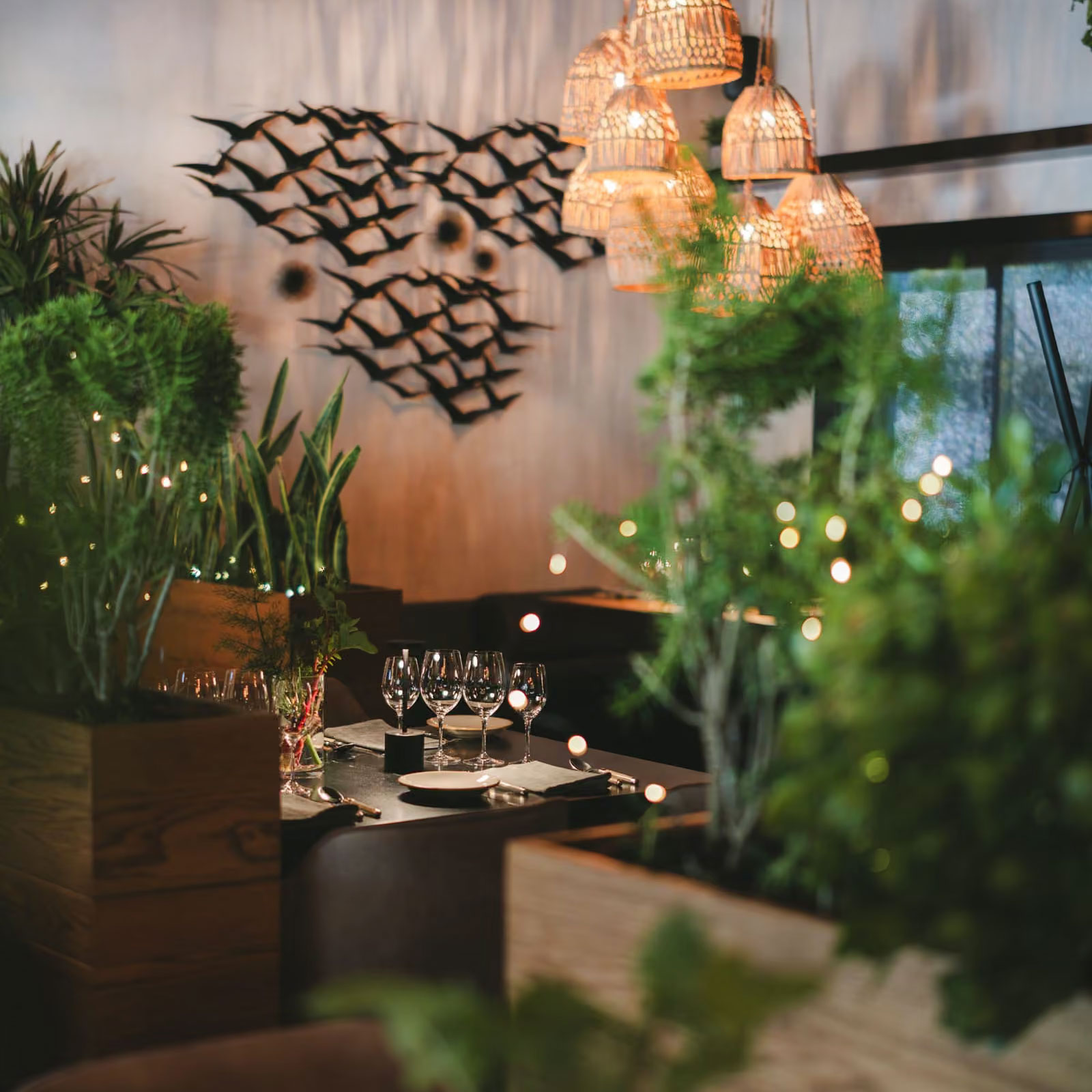
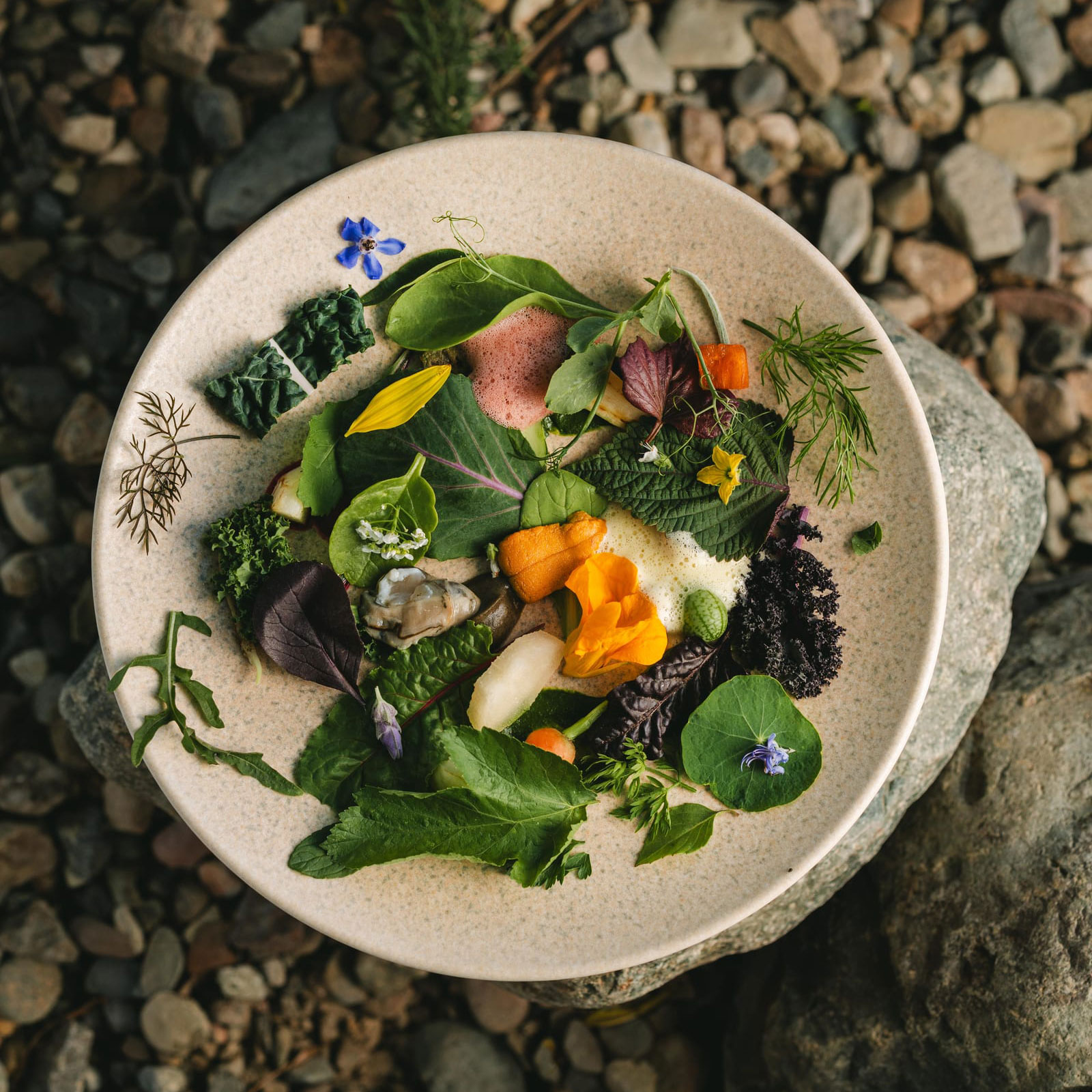
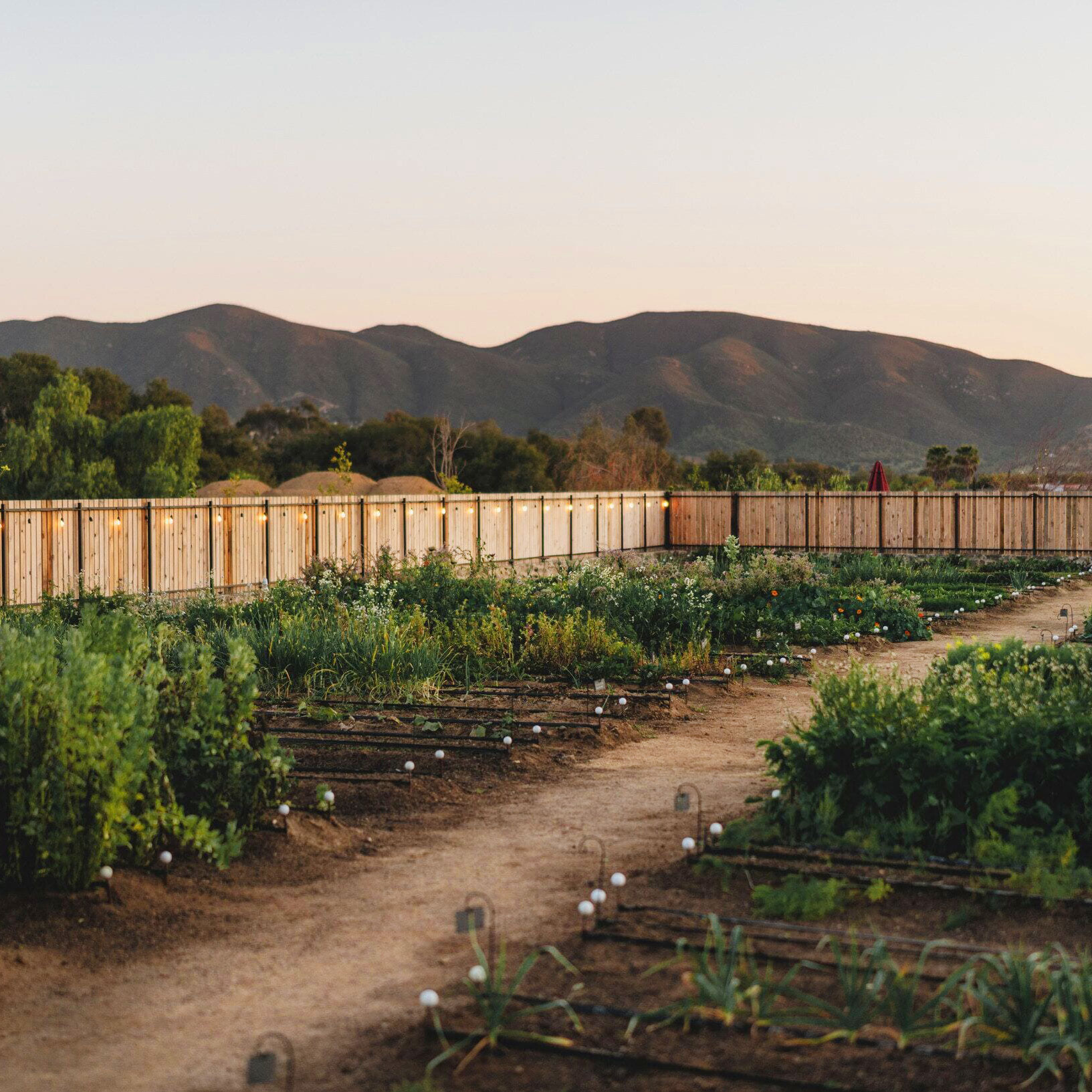
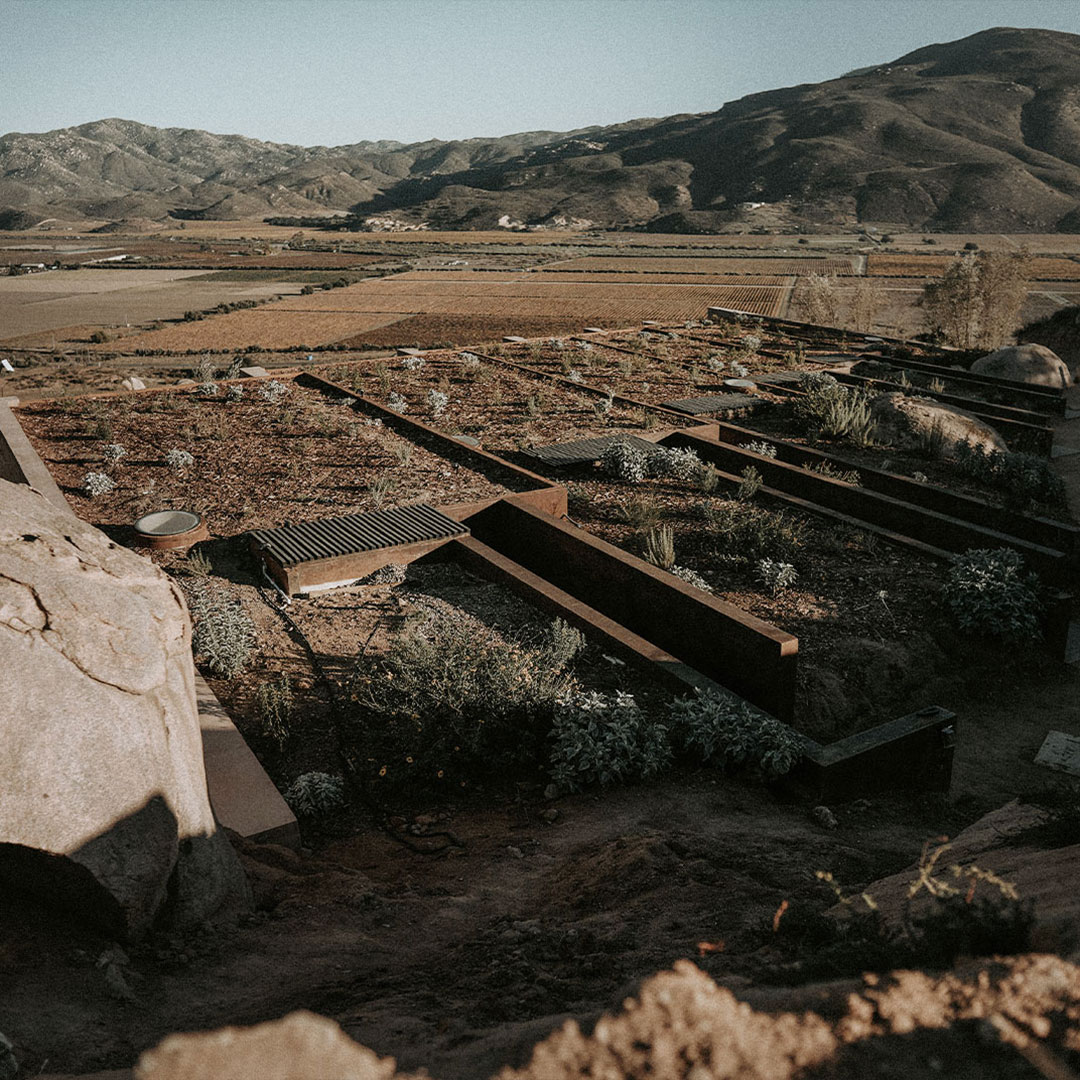
The restaurant focuses on sustainability and fresh ingredients directly from its garden. Because of the garden’s limited acreage, the restaurant can only serve 24 people a night. “We literally have to know day by day by day what’s happening with each leaf,” Joy tells me. The self-described “perfectionist” mentions she’s planning on expanding the garden. “You need to see it, you need to live with it and see exactly what’s happening every single hour of the day.”
The meal is preceded by a walk through the garden, trying ingredients freshly picked by a groundskeeper’s tweezer and placed in your palm. You try thyme, oregano, and a bunch of other staples. But a yellow “electric flower” — that apparently took months to bloom properly — made my mouth tingle with a raw buzzing sensation that staggered me.
Then comes the dinner, which fits any kind of highfalutin superlative you want to use. Divine. Sublime. Majestic. Dishes like a “sea urchin crème brûlée” or “sunflower seed risotto” not only exist, but work extremely well. When a celery root mille-feuille dish cooked in haystack butter and topped with white mole hits the table, Executive Chef Daniel Nates makes a surprise appearance to introduce it. By the time I’m done, I knew why he came out. It was one of the best things I’ve ever eaten.
Book Casa Olivea on Tablet Hotels.
PART THREE: “They have amazing views, but everything else is just okay.”
An unsolicited review from a Valle local kept ringing in my head as I drove into Hilo Negro winery. The views here are, in fact, “amazing.” But what I hadn’t considered was that my local insider’s review may be outdated. Hilo Negro, an idiom which roughly translates to the English “don’t reinvent the wheel,” is in the middle of reinventing itself.
In May 2025 the winery hired a new manager Antonio Mortera. In January, chef Eduardo Salgado started a tasting menu. Moves made with a specific goal: “We want to be a Mexican benchmark in the world of wine.” At ‘Emat, the restaurant, I ask if they’re going for a star. Mortera quips back a yes so fast the transparency shocks me. ‘Emat is convinced Michelin has been to the restaurant before but didn’t like it enough for any kind of distinction. So this time, chef Salgado is pulling out all the stops. And you can tell.
Not every winery and restaurant in Valle is chasing acclaim (or at least admitting it). I stopped by a place called Rondo Del Valle. It has a lovely lavender garden and a cave in their cellar for tastings. I’m sure they’d welcome an accolade or two, but right now they’re focused on good wine (the red blend Morador is incredible) and a new tap room, and they seem content maintaining what they have.
Which includes another set of stars.
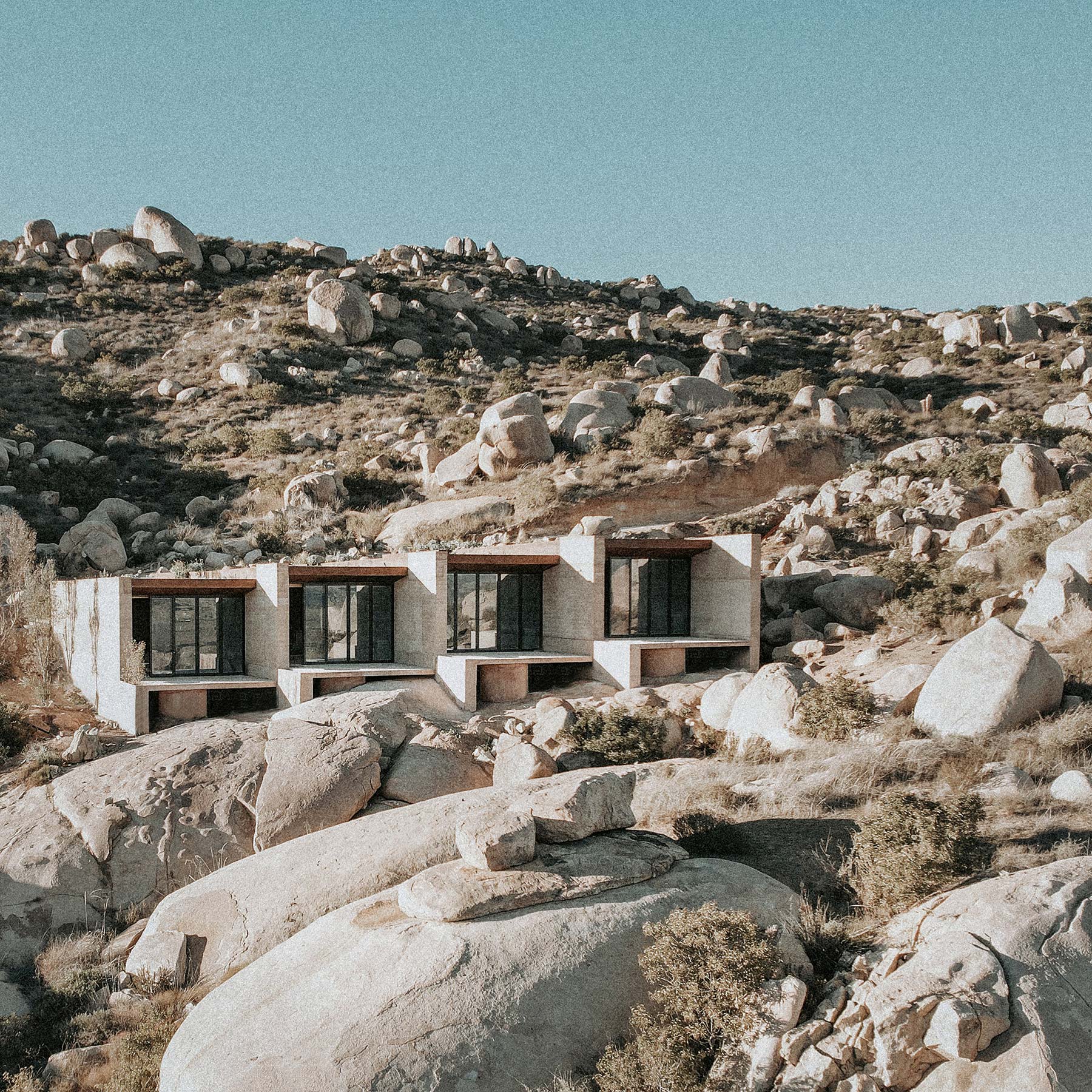
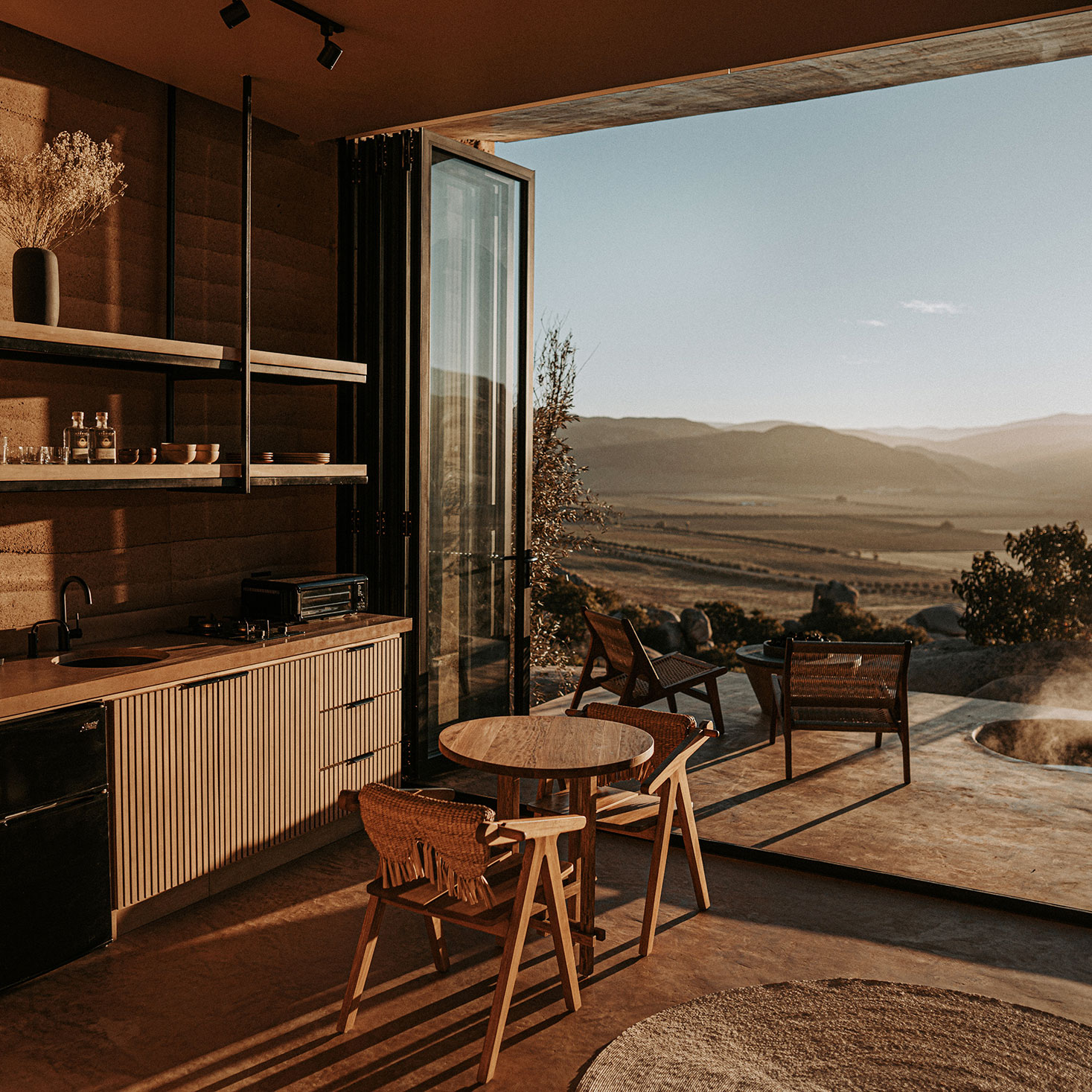
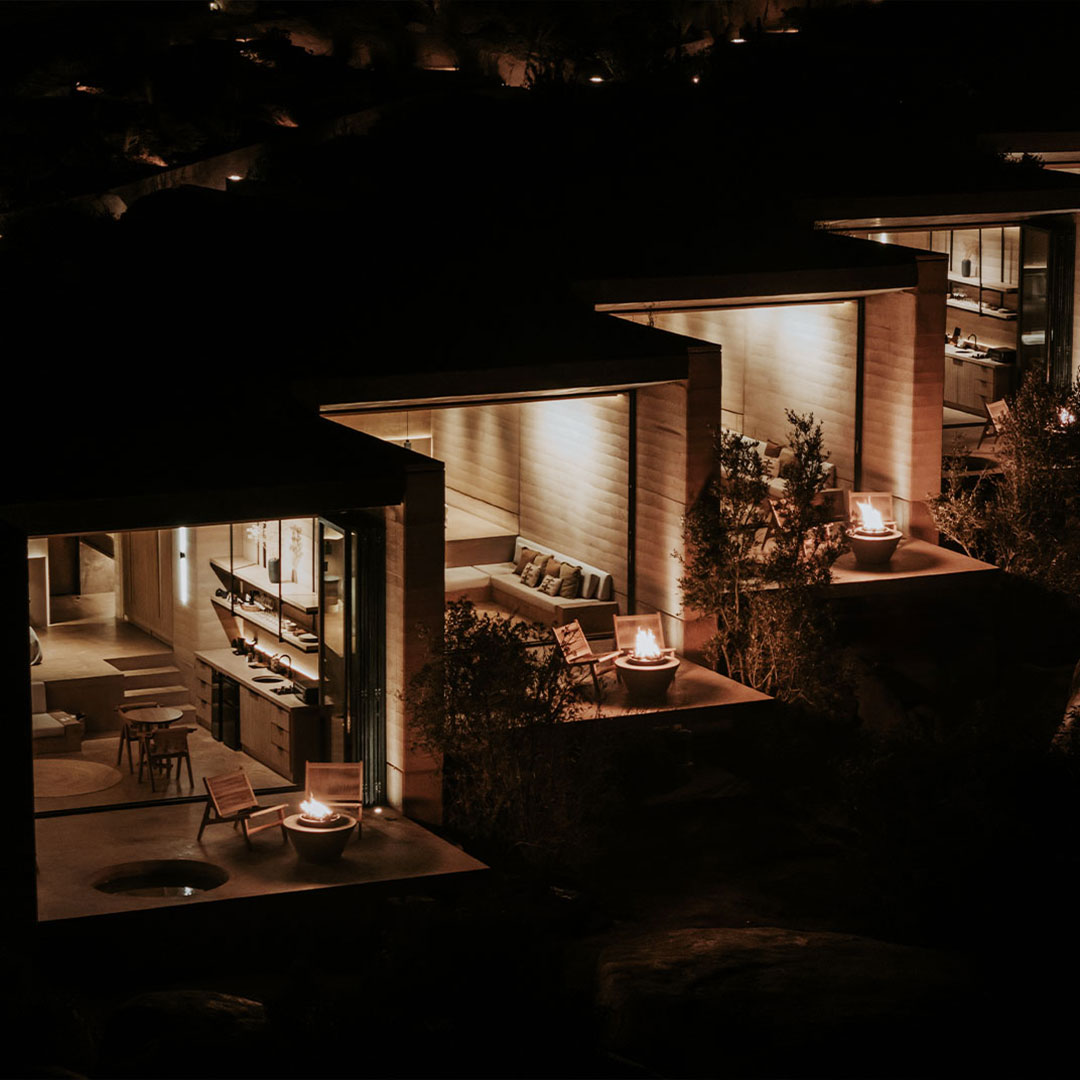
On a clear night, when you step out from your minimalist haven at MIRA Earth Studios, you’ll see a celestial wonderland. To preserve the Valle’s glorious galactic view, ordinances were put into place 20 years ago to prevent any artificial light pollution. But as the Valle slowly boomed, more and more lights have started to dull its nocturnal brilliance and — as a tidy metaphor for the region’s other growing pains — more and more locals are becoming concerned.
Book MIRA Earth Studios on Tablet Hotels.
PART FOUR: “If we wanted money, we’d be in a city.”
“At night, you see Valle becoming another city. It’s so awful,” Glenda Glenza, Vena Cava’s manager explains to me. “Unfortunately, all these people that want Valle to explode, it’s people who are not interested in protecting it.”
Galarza is from Ensenada and remembers the valley’s early days with just a handful of wineries and a single hotel. At Vena Cava, it’s clear there’s a conscious priority to uphold the region’s original culture and personality. The tasting room’s exterior pops with a myriad of colors making up the wood paneling. The roof is made up from upside-down refurbished boats from the Port of Ensenada, the entrance leading to a tip like a faux hawk.
There’s an authenticity at Vena Cava that is refreshing compared to the other modern, minimalist places I went to. And it’s not that it’s lower quality, it’s just not concerned about keeping up with the Joneses. It’s really the area’s version of “Keep Guadalupe Weird.”
“We need to protect what made Guadalupe famous,” Galarza explains. “What made Guadalupe attractive was wine.”
Now that restaurants are starting to factor into the Valle’s appeal, Olivea Farm To Table seems to be the role model to emulate. The food and personality are inextricable from Mexico, the menu is acclaim-worthy, and for all the region’s infrastructure concerns, Olivea is setting the bar ecologically. Joy isn’t in Mexico as some boomtown prospector hoping to make a quick buck, she’s showing others how to set a pathway to succeed while remaining proudly Valle.
“If we wanted money, we’d be in a city,” Joy tells me. “This is about making something that’s gonna make just a little bit of difference.”

Explore our picks for the best boutique hotels in Mexico.